VI Corps at the Camp of Boulogne
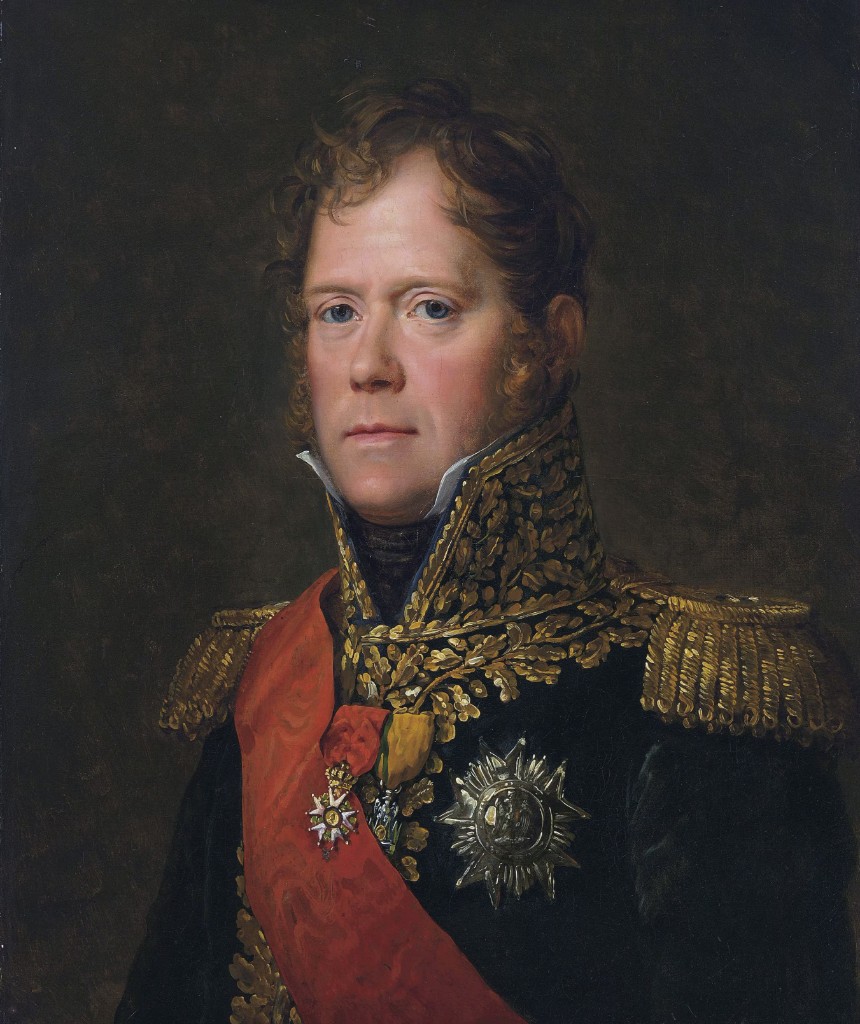
Michel Ney received from 1803–1805 the VI Corps of the Camp of Boulogne, embryo of the Grande Armée. A marshal of 1804, he embodied frontal attack, sometimes to the point of imprudence: Napoleon would direct him closely, knowing Ney's dash must be channelled. The corps numbered several infantry divisions and light cavalry; strength varied, but the spirit remained that of assault.
VI Corps soldiers quickly learned that their marshal marched into the fire. That proximity forged a rough loyalty, useful when columns entered defiles or came under enemy batteries.
Elchingen and the 1805 campaign
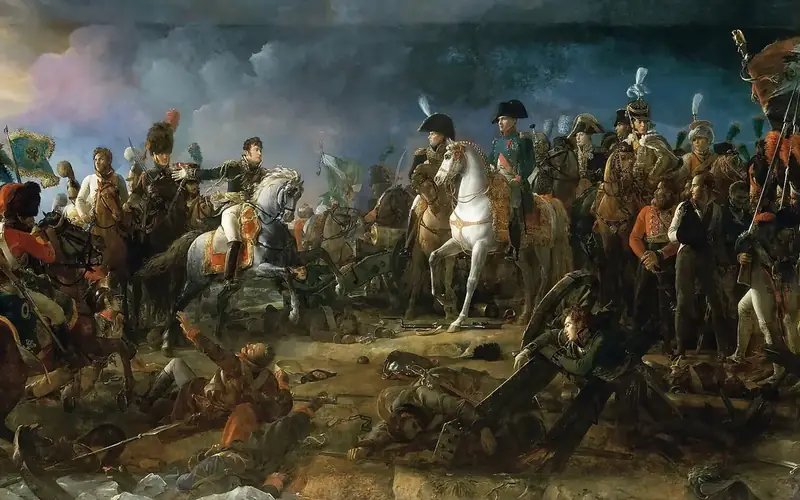
On 14 October 1805 at Elchingen, Ney and VI Corps drove back the Austrians and helped trap Mack in Ulm. The victory earned Ney in 1808 the title Duke of Elchingen. The corps then pushed into the Tyrol, drove Archduke Charles from Alpine positions, and joined the Moravian theatre. At Austerlitz Ney did not occupy the foreground like Soult or Davout, but VI Corps had already paid its toll to the autumn manoeuvre.
Elchingen remains the emblematic battle of the Ney–VI Corps pair: forced bridge, retaken hills, enemy thrown back toward the Ulm net.
Jena, Eylau, Friedland
At Jena on 14 October 1806, Ney launched his divisions too early and found himself in difficulty; Lannes relieved him. The episode reveals the marshal's flaw and virtue: an aggressiveness that can compromise the disposition, but also a will to press the enemy without waiting. Erfurt and Magdeburg then fell under VI Corps pressure.
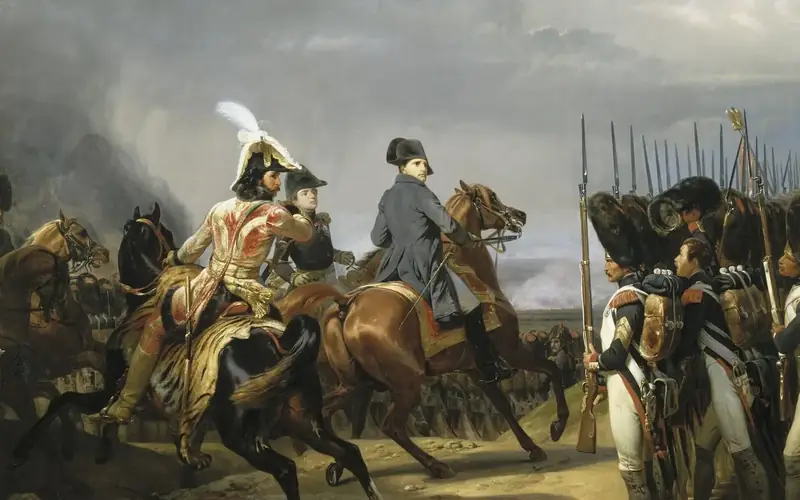
In Poland the corps fought through the winter of 1806–1807. At Eylau, Ney arrived late on the northern wing, but his presence helped stabilise the end of the day. At Guttstadt-Deppen then Friedland, VI Corps resumed its place in the decisive clashes leading to Tilsit.
These campaigns forged the reputation of an assault corps more than a fine manoeuvre tool: it was asked to smash, hold a lock, pursue.
Spain: Torres Vedras and relative disgrace
In the Peninsula, Ney and VI Corps operated under Masséna. Ciudad Rodrigo, the Coa, Buçaco, then failure before the Lines of Torres Vedras: English and Portuguese war wore the troops down. During the retreat Ney was relieved for insubordination (1811). VI Corps was briefly entrusted to Loison before dissolution in May 1811.
Spain tarnished without destroying the legend: it showed the limits of a frontal-attack style facing Wellington and hostile logistics.
Russia, Waterloo: beyond the VI number
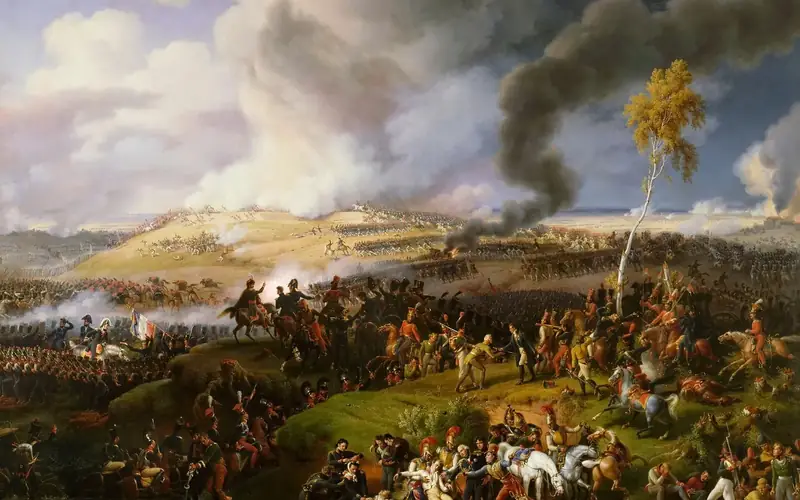
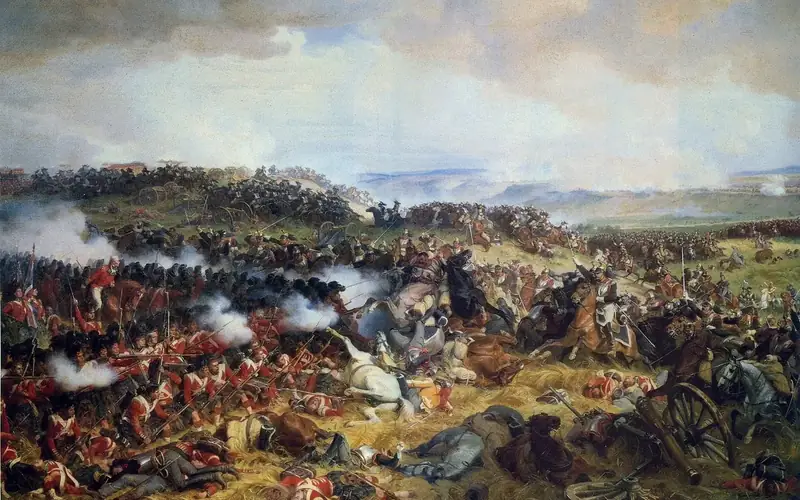
In 1812 the reconstituted VI Corps — then Bavarian — was entrusted to Gouvion-Saint-Cyr; Ney himself commanded III Corps. It was at the head of that III Corps that he fought at Smolensk and Borodino, then covered the retreat as rearguard, nicknamed 'the bravest of the brave', one of the last to leave Russian soil. In 1815 at Waterloo, Ney directed the left wing and launched the cavalry charges; VI Corps fought under Lobau. Ney's legend thus far exceeds the VI Corps of 1805–1811 alone.
For Empire Napoléon, Ney's VI Corps remains the crucible where the assault marshal was formed: Elchingen, Jena, the Polish winter, Spain. Russia and Waterloo prolong the man's trajectory, not the same organisation chart.
Between Elchingen bridge and Waterloo's squares, one constant: Ney sought contact. VI Corps was, for six years, the main instrument of that search.