A reserve to strike, not to parry
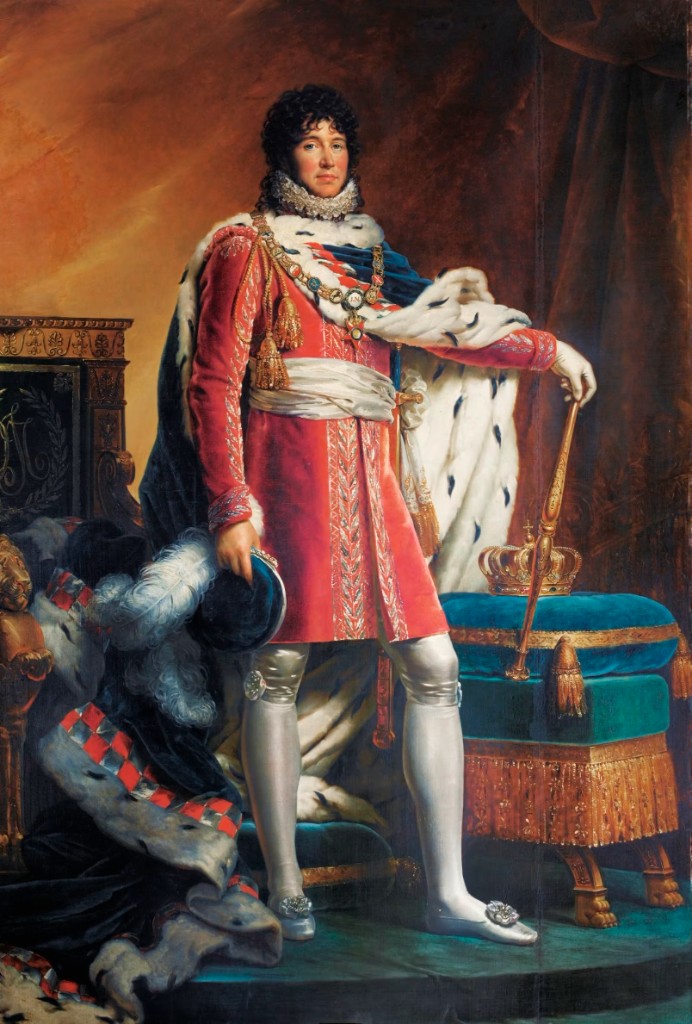
In the Napoleonic system each army corps had covering cavalry, but the decisive mass — cuirassiers, carabiniers, reserve dragoons — was gathered under a single command. Joachim Murat, flamboyant marshal, received that reserve. His mission: exploit a breach, pursue a routed army, or, as at Eylau, seal a catastrophe.
Organisation evolved: divisions of Grouchy, d'Hautpoul, Klein, Milhaud and others by year; sometimes temporary splits into several cavalry corps. The essence remained: thousands of horses held behind the line, ready to surge on an order.
Murat embodied the Empire cavalryman's image — plume, dolman, panache — but the reserve he led was also a logistics machine: forage, shoes, remounts, column discipline.
Austerlitz and Jena: exploitation
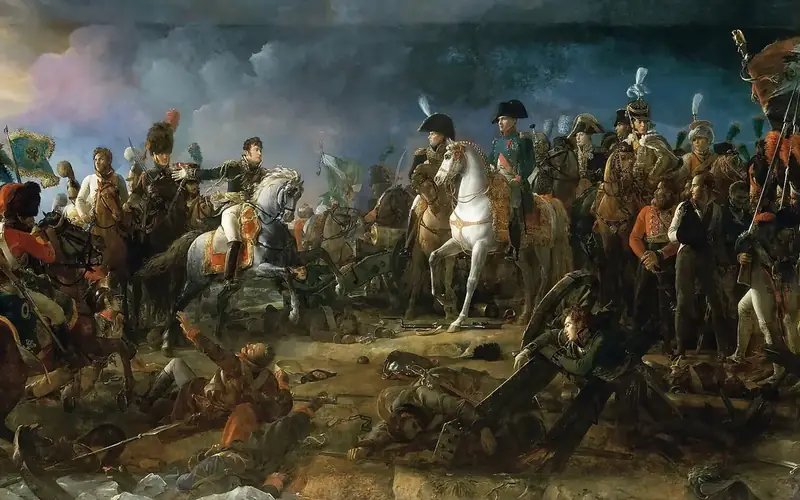
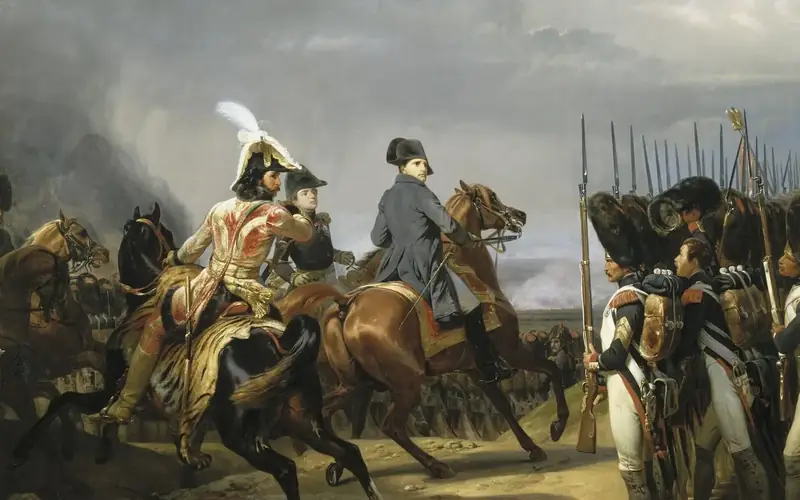
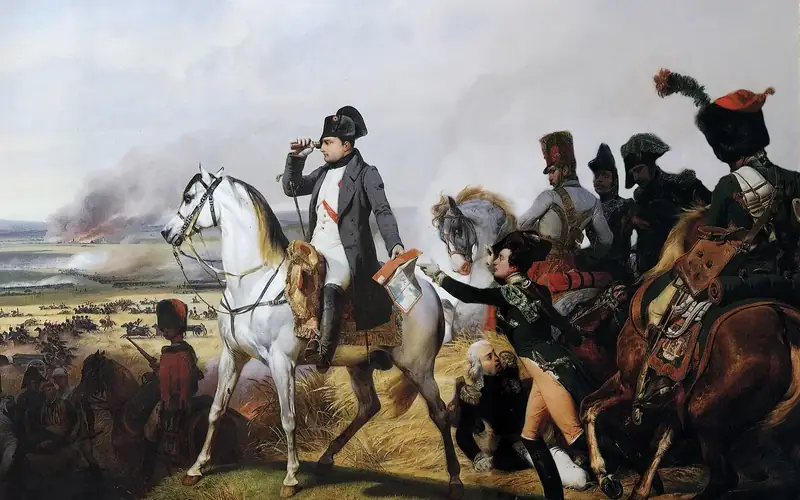
At Austerlitz, reserve cavalry and Guard cavalry intervened when the Coalition centre tipped: pursuits, shocks against the Russian Guard, contribution to the final collapse. At Jena and in the 1806 Prussian pursuit, Murat multiplied charges and summons of fortresses: cavalry turned a battlefield victory into strategic collapse.
These campaigns show the reserve in its 'classic' role: not saving a broken line, but finishing an already unbalanced enemy. Germany's roads filled with sabres and prisoners.
Eylau, 8 February 1807: the charge of 80 squadrons
On 8 February 1807, under a snowstorm, Augereau's VII Corps disintegrated facing the Russians. A breach of about fifteen hundred metres opened in the French centre; Napoleon was threatened. He turned to Murat. The reserve — divisions of Grouchy, d'Hautpoul, Klein, Milhaud, light brigades — moved off: roughly 80 squadrons, some 10,700 to 12,000 cavalrymen by estimates.
The charge pierced the Russian centre at several points, passed through, charged again. D'Hautpoul was mortally wounded. French losses were heavy — on the order of fifteen hundred cavalrymen hors de combat — but the line held. Without that intervention Eylau might have been a major defeat before reinforcements arrived.
Literature — Balzac and Colonel Chabert, Hugo and Eylau's cemetery — froze the image: snow, sabres, powder fog. Military history sees chiefly a massive, coordinated use of heavy cavalry and dragoons to restore a ruptured centre.
From Tilsit to Borodino
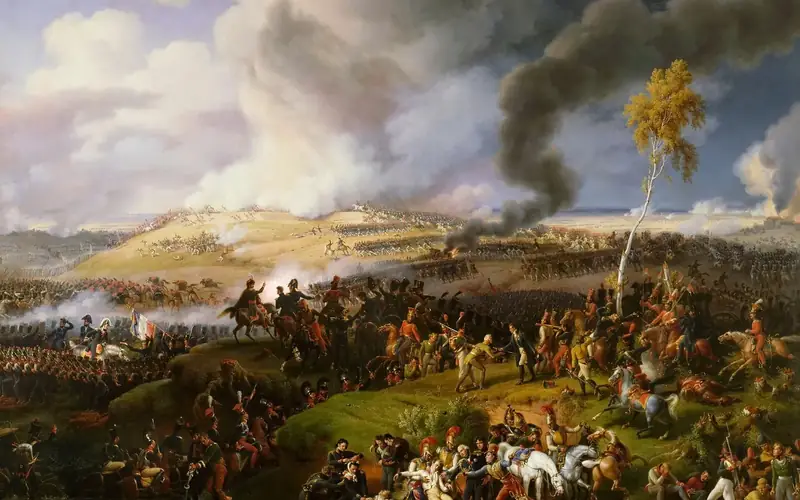
After Tilsit the cavalry reserve remained an imperial tool: Spain for some detachments, Wagram for other masses. In 1812 Murat still led immense cavalry columns into Russia. At Borodino French cavalry multiplied shocks against redoubts and Russian lines; horse losses, already critical before Moscow, became catastrophic during the retreat.
The reserve that had saved Eylau could not save an army whose mounts died of cold and hunger. The lesson was brutal: without remounts and forage, the brightest sabre is only an exhausted infantryman.
Memory and posterity
Murat ended as King of Naples, then was shot in 1815 after a desperate venture. The cavalry reserve he symbolised survives in staff colleges as model — and warning. Eylau's charges remain studied; they recall that a well-committed cavalry mass can change a battle, but that it replaces neither infantry nor artillery over time.
For Empire Napoléon, Murat's reserve is the armed arm of shock: Austerlitz to exploit, Jena to pursue, Eylau to save, Borodino to exhaust itself. Between panache and remount statistics, it tells all the grandeur and fragility of imperial cavalry.
When Eylau's cuirasses still gleam in museums, they speak less of the King of Naples than of those thousands of men who, one snowy afternoon, accepted to charge into the smoke to close a breach.