
Napoleon the Great
Andrew Roberts · 2014
A monumental biography drawing on Napoleon’s 33,000 surviving letters, admiring but rigorous.
See on AmazonThe Bonaparte family, originally from Corsica, rose to the very top of Europe. Napoleon's brothers and sisters were placed on thrones, weaving a network of continental power.
Carlo Buonaparte, a lawyer in Ajaccio, married Letizia Ramolino in 1764, when she was not yet fifteen. Of the thirteen children born to the couple, eight reached adulthood: Joseph (1768), Napoleon (1769), Lucien (1775), Elisa (1777), Louis (1778), Pauline (1780), Caroline (1782) and Jérôme (1784). The family belonged to the island's minor nobility, living off a few estates, public offices and connections.
Having rallied to France after the conquest of 1769, Carlo had his nobility recognised, which opened the royal schools to his sons: Napoleon entered Brienne in 1779. Carlo died in 1785, and Letizia, widowed before the age of thirty-five, ran the household alone. In 1793 the break with Paoli forced the whole clan to leave Corsica for Provence, penniless.
The Empire turned this family into a European dynasty. Joseph received Naples in 1806, then Spain in 1808. Louis became King of Holland in 1806 and abdicated in 1810, having defended his subjects too stubbornly against the demands of the Continental System. Jérôme ruled Westphalia, a kingdom created in 1807 in the wake of Tilsit.
The sisters were not left out. Elisa reigned over Lucca and Piombino, then over Tuscany as grand duchess; Caroline, Murat's wife, became Queen of Naples in 1808 when Joseph left for Madrid; Pauline, now Princess Borghese, settled for a title and a court. Only Lucien stood apart: his second marriage, to Alexandrine Jouberthon, which Napoleon refused to recognise, estranged him from his brother. Exiled to Italy, captured by the British in 1810 while trying to reach America, he was reconciled with the Emperor only during the Hundred Days.
Napoleon married Joséphine de Beauharnais on 9 March 1796. She brought him two children from her first marriage to Alexandre de Beauharnais: Eugène, whom the Emperor adopted and made Viceroy of Italy, and Hortense, married in 1802 to Louis Bonaparte. But the imperial couple had no child, and an empire without an heir lay at the mercy of a cannonball or an assassin.
The birth of Charles Léon in 1806, his son by Éléonore Denuelle, convinced Napoleon that he could father children. The divorce was pronounced in December 1809; in April 1810 he married Marie Louise, daughter of the Austrian Emperor Francis I. On 20 March 1811 Napoléon François Joseph Charles was born and immediately styled King of Rome. He would die at Schönbrunn in 1832 as Duke of Reichstadt, without ever having reigned.
The family also served diplomacy. In 1806 Eugène married Augusta of Bavaria; the same year Stéphanie de Beauharnais, a relative of Joséphine adopted by the Emperor, married the heir to the Grand Duchy of Baden; Jérôme, whose American marriage to Elizabeth Patterson had been annulled, wed Catherine of Württemberg in 1807. These unions tied the new dynasty to the old German houses of the Confederation of the Rhine.
Napoleon's direct line died out with the King of Rome, but the name survived. Louis-Napoléon, son of Louis and Hortense, became Napoleon III in 1852, and today's Princes Napoléon descend from Jérôme.
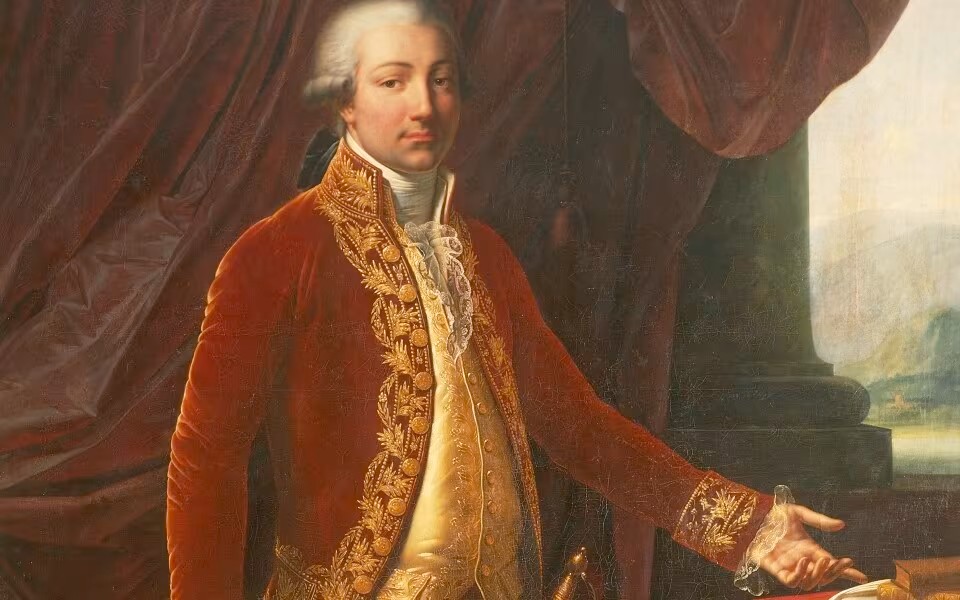
Charles Bonaparte
Lawyer, royal assessor at Ajaccio, Corsican gentleman
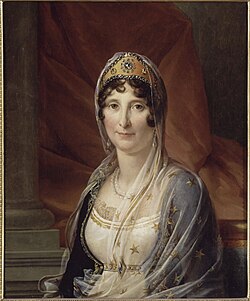
Letizia Bonaparte
Madame Mère
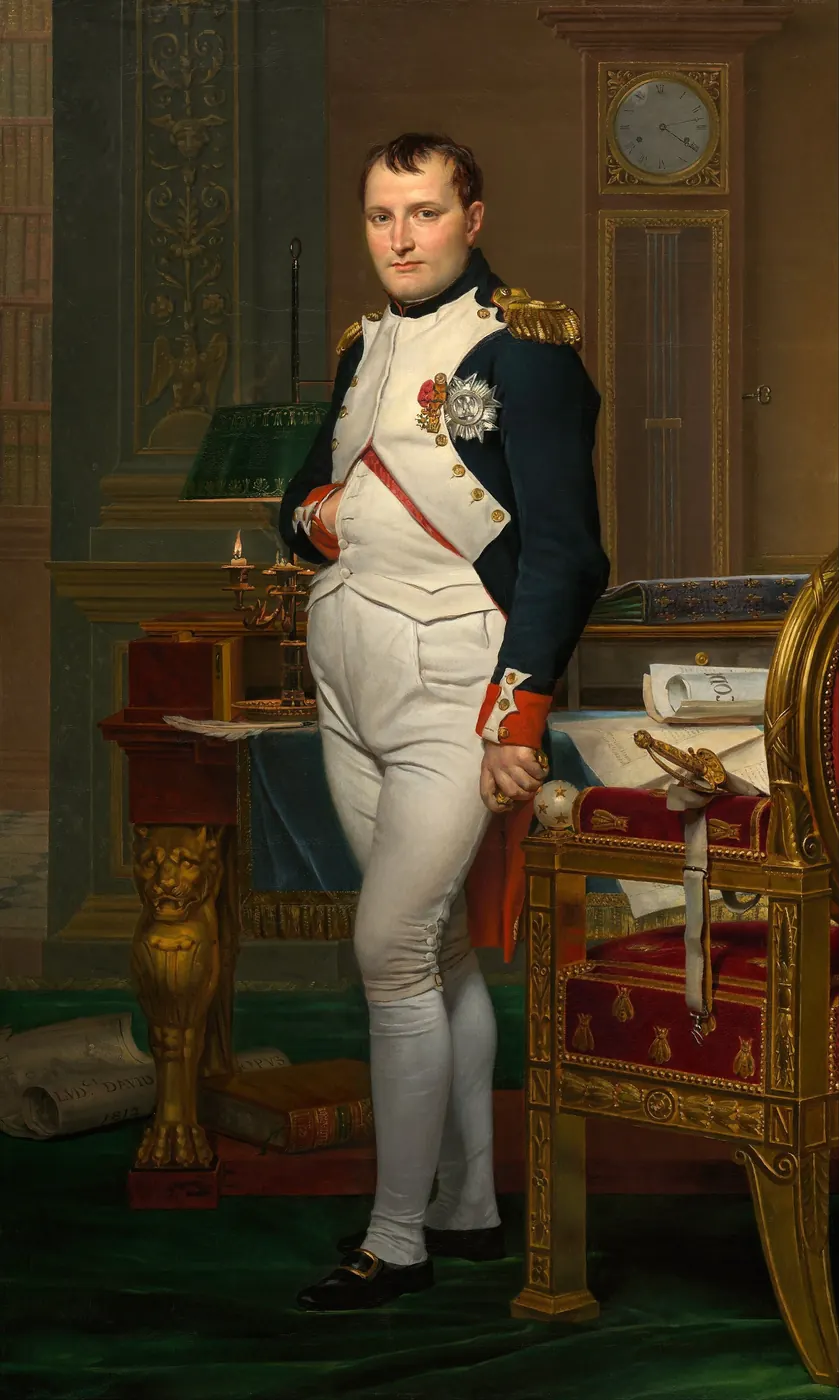
Napoleon Bonaparte
Emperor of the French
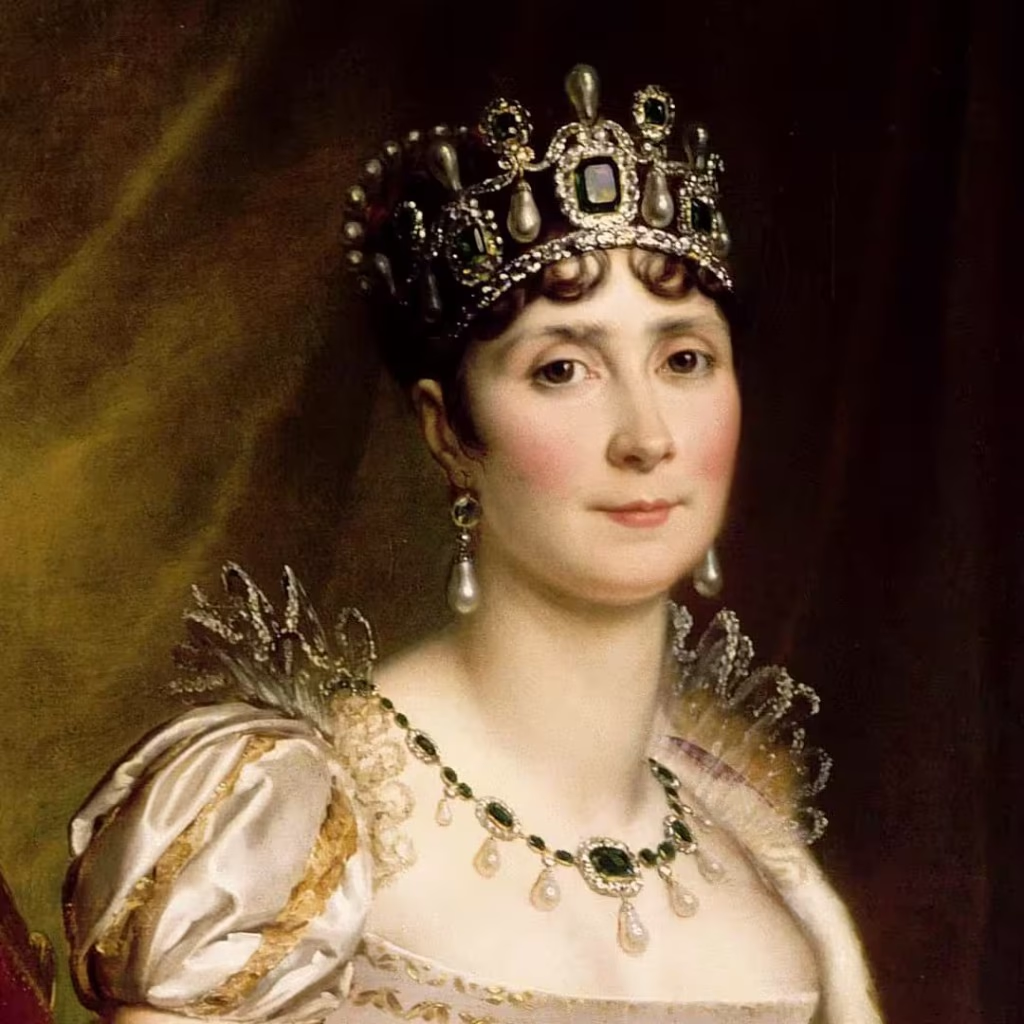
Joséphine de Beauharnais
Empress of the French
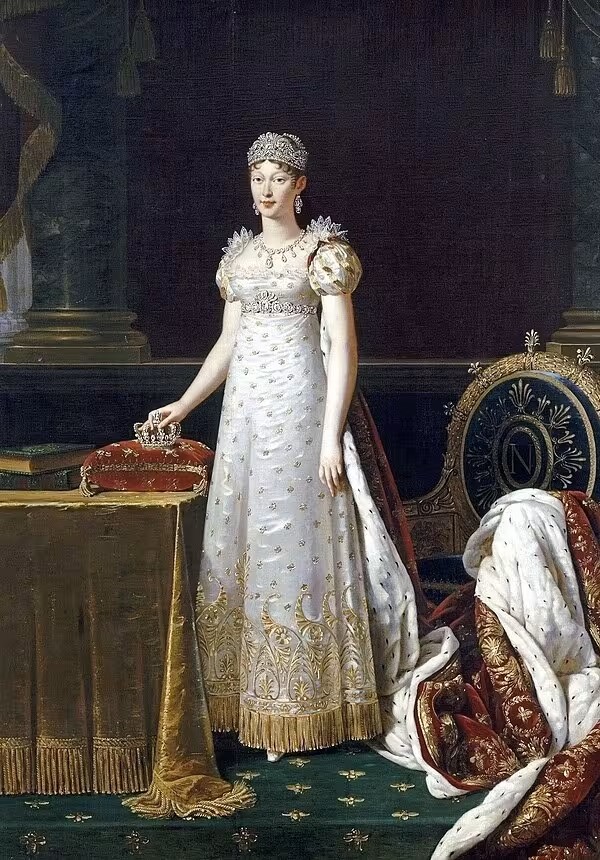
Marie Louise of Austria
Empress of the French
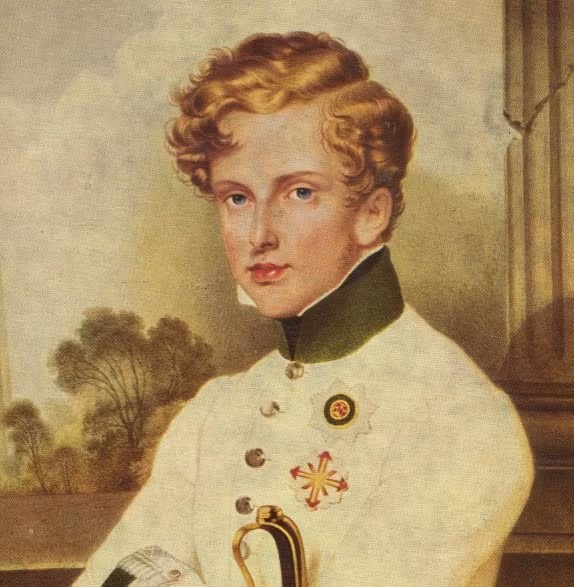
Napoleon II
King of Rome
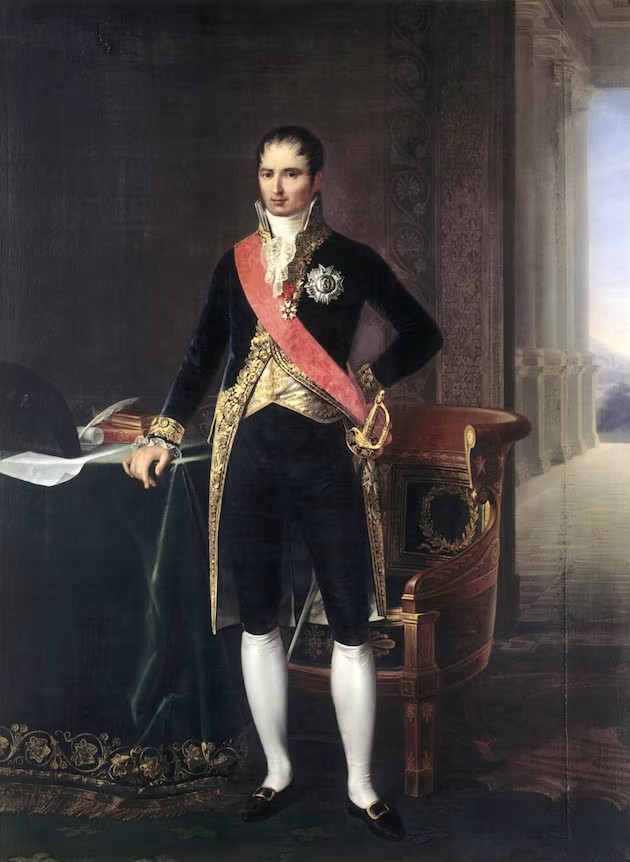
Joseph Bonaparte
King of Naples, then of Spain
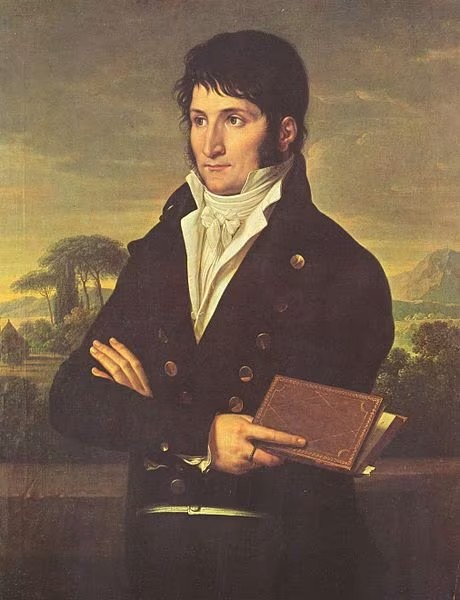
Lucien Bonaparte
French prince
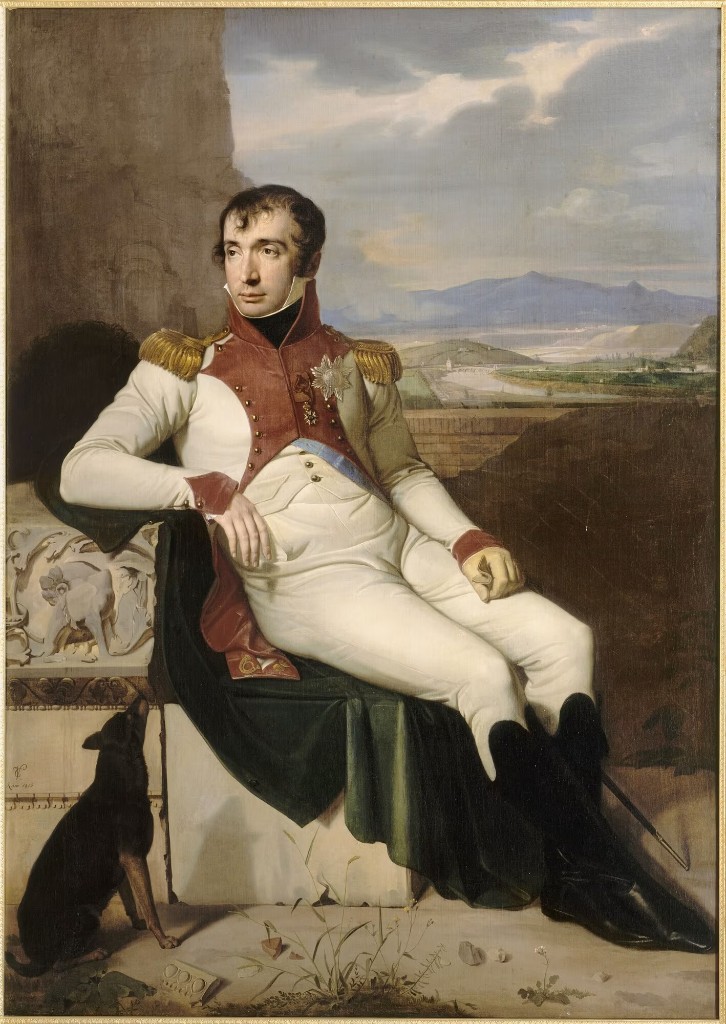
Louis Bonaparte
King of Holland
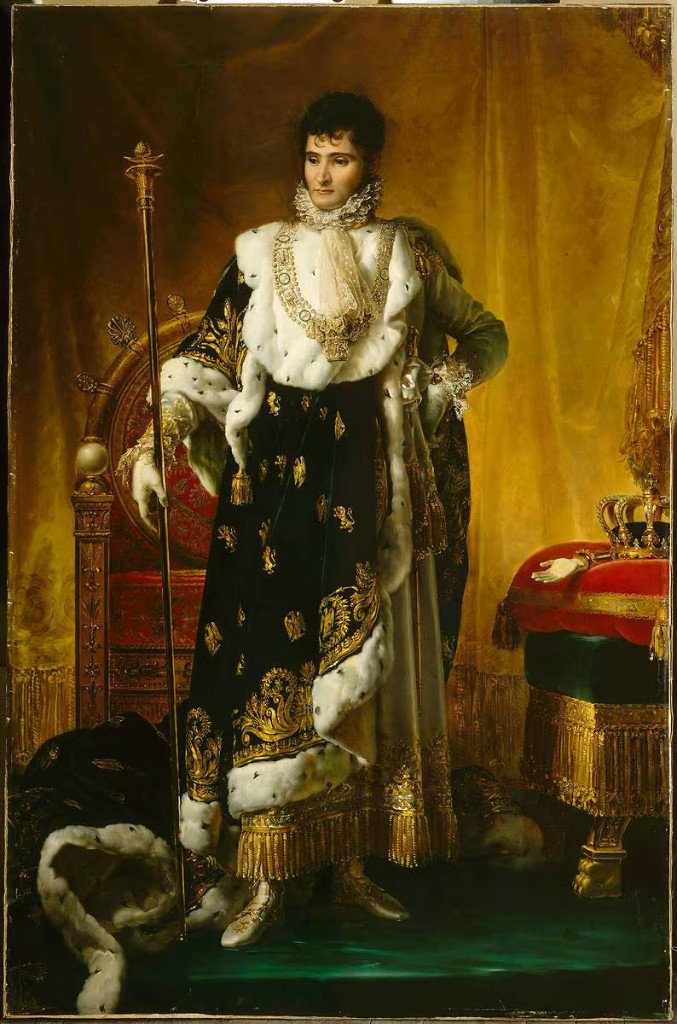
Jerome Bonaparte
King of Westphalia
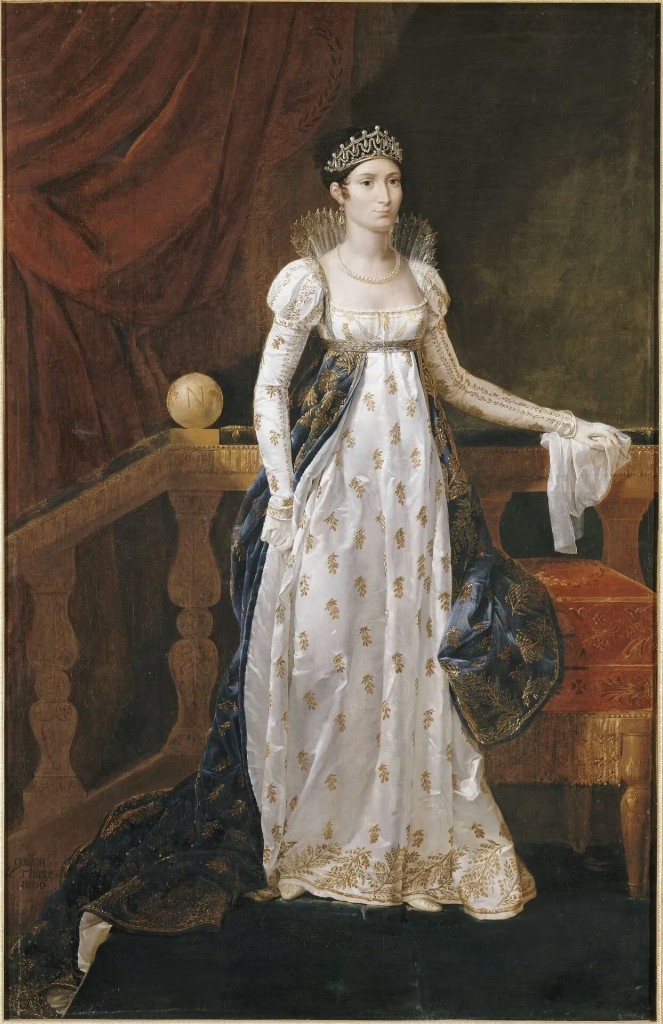
Elisa Bonaparte
Grand Duchess of Tuscany
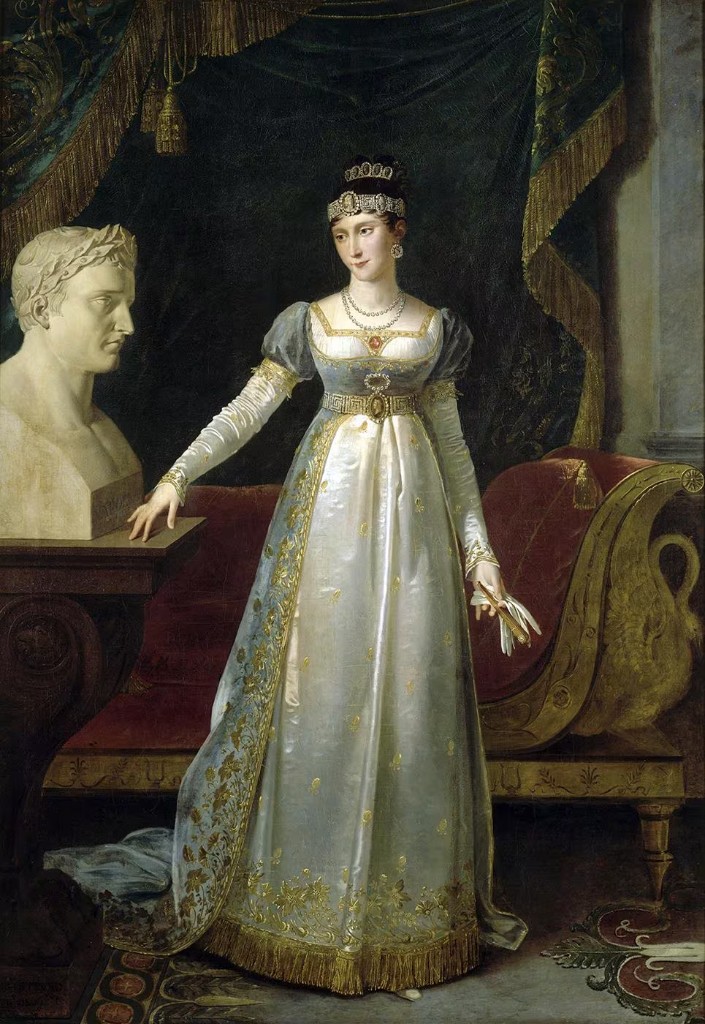
Pauline Bonaparte
Princess Borghese
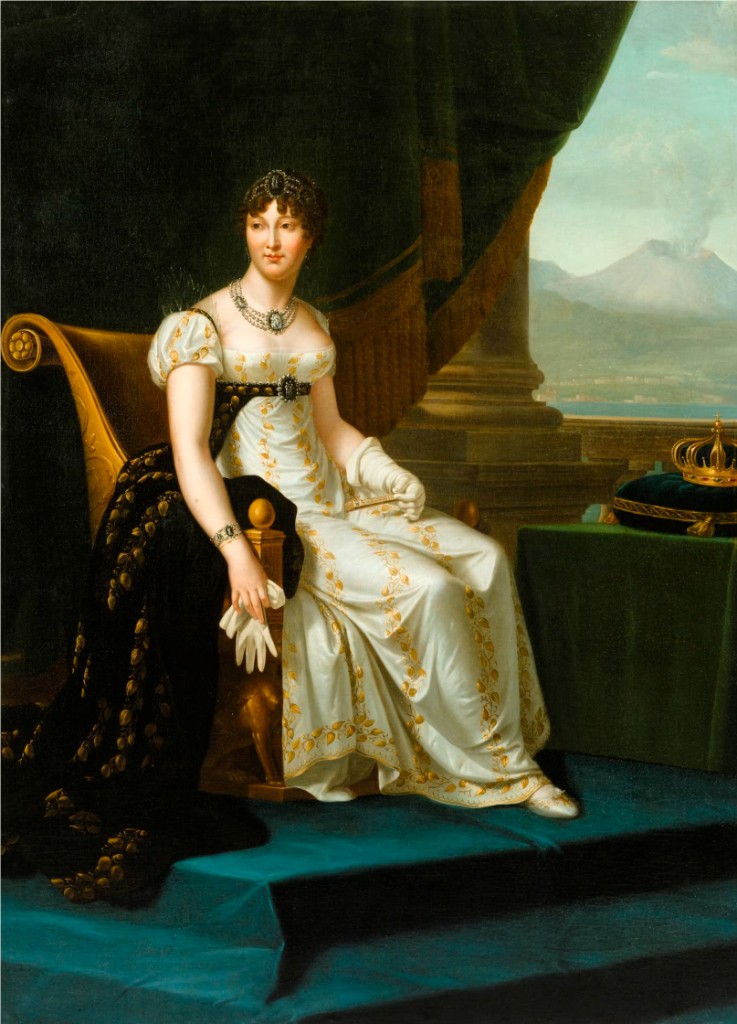
Caroline Bonaparte
Queen of Naples
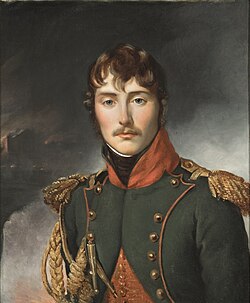
Eugène de Beauharnais
Viceroy of Italy
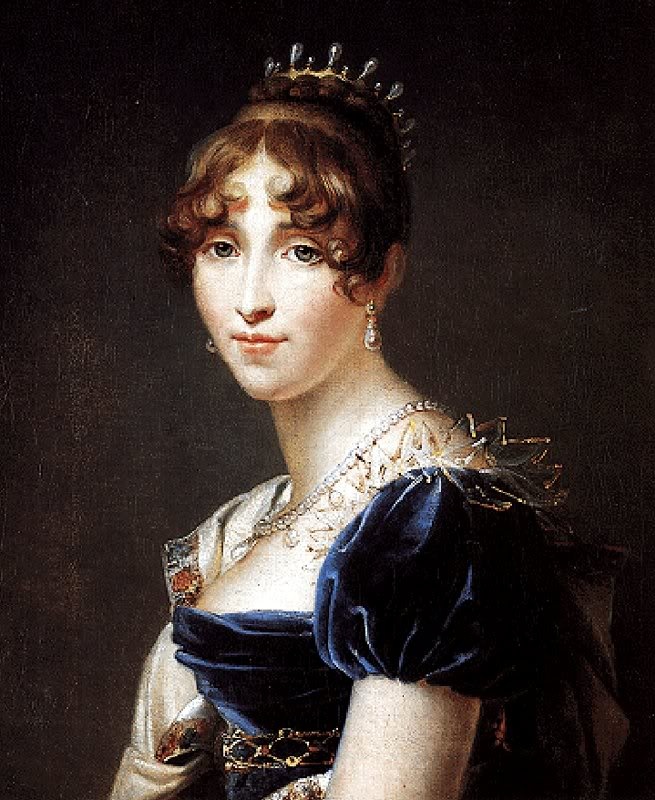
Hortense de Beauharnais
Queen of Holland
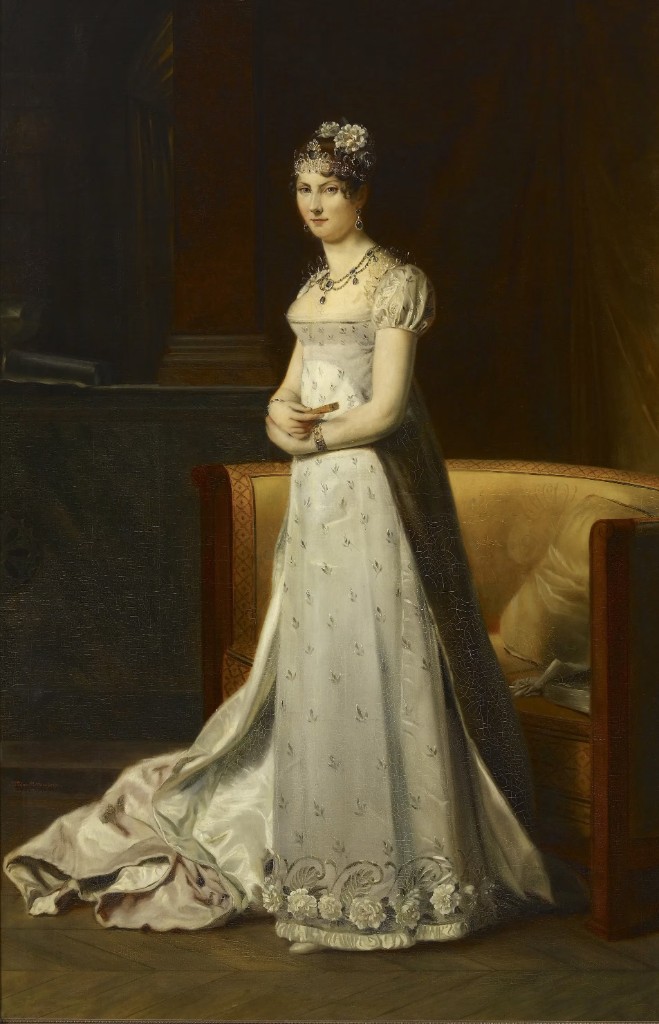
Stéphanie de Beauharnais
Grand Duchess of Baden
Recommended books to dig deeper (affiliate links)
Andrew Roberts · 2014
A monumental biography drawing on Napoleon’s 33,000 surviving letters, admiring but rigorous.
See on Amazon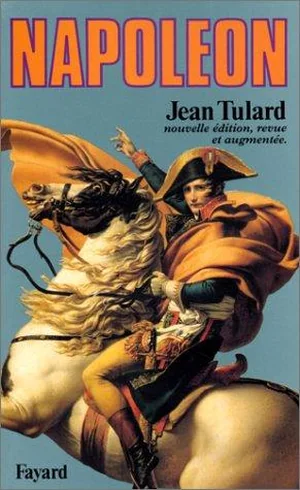
Jean Tulard · 1977
The book that reshaped how the man is read: how France gave itself a saviour, and what it cost.
See on Amazon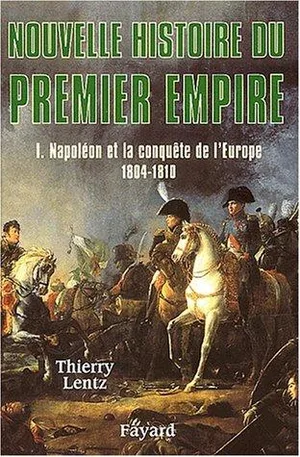
Thierry Lentz · 2002-2010
Four reference volumes on institutions, diplomacy and collapse: the scholarly synthesis of the subject.
See on AmazonAs an Amazon Associate, this site earns from qualifying purchases.
Napoleon Empire is an independent project. Your contribution helps grow the content and keep the site running.
DonateSecure payment on the platform you choose.