For two years a hundred and fifty thousand men camped facing England, waiting for a fleet that never came. The invasion never happened — but the camp had manufactured the Grande Armée.
Historical context
The breakdown of the Peace of Amiens in May 1803 revived the plan to land in England. From Boulogne to Ostend the Army of the Ocean Coasts settled in: huts aligned by string, hospitals, bakeries, a theatre, and two thousand flat-bottomed boats built in every northern port. Napoleon stayed there at length, watching embarkation drills from the cliff.
The camp became a school. For two years the same men trained together under the same commanders: the corps took shape, each with its own cavalry, artillery and staff, able to act alone for several days. That organisation, more than tactical genius, explains the lightning campaign of 1805: Austerlitz was prepared facing the Channel.
On 16 August 1804, in a natural amphitheatre cut by the sea, a hundred thousand men watched the first great distribution of the crosses of the Legion of Honour. Napoleon sat on a throne said to be Dagobert's, the crosses presented in a helmet the staging attributed to Bayard. It is all there: the Republic decorates, the Empire stages.
On 26 August 1805 the order came to strike camp and march for the Rhine. Villeneuve's fleet had not cleared the Channel and would not: Trafalgar was two months away. The column of the Grande Armée, begun in 1804 on the cliff, was only finished in 1841 — a monument to an invasion that never took place.
Go further
Recommended books to dig deeper (affiliate links)
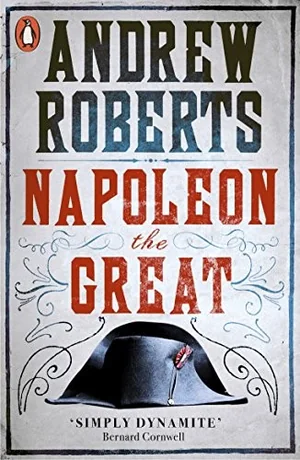
Napoleon the Great
Andrew Roberts · 2014
A monumental biography drawing on Napoleon’s 33,000 surviving letters, admiring but rigorous.
See on Amazon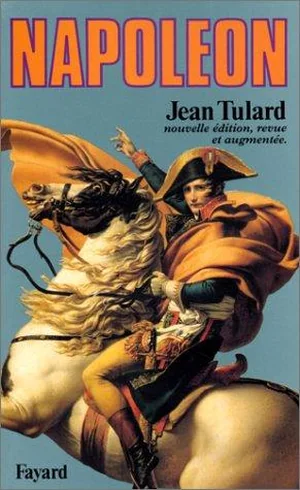
Napoléon ou le mythe du sauveur
Jean Tulard · 1977
The book that reshaped how the man is read: how France gave itself a saviour, and what it cost.
See on Amazon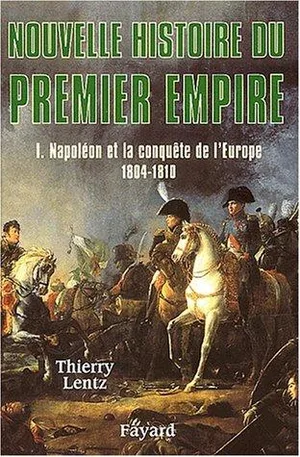
Nouvelle histoire du Premier Empire
Thierry Lentz · 2002-2010
Four reference volumes on institutions, diplomacy and collapse: the scholarly synthesis of the subject.
See on AmazonAs an Amazon Associate, this site earns from qualifying purchases.
Support the encyclopedia
Napoleon Empire is an independent project. Your contribution helps grow the content and keep the site running.
DonateSecure payment on the platform you choose.