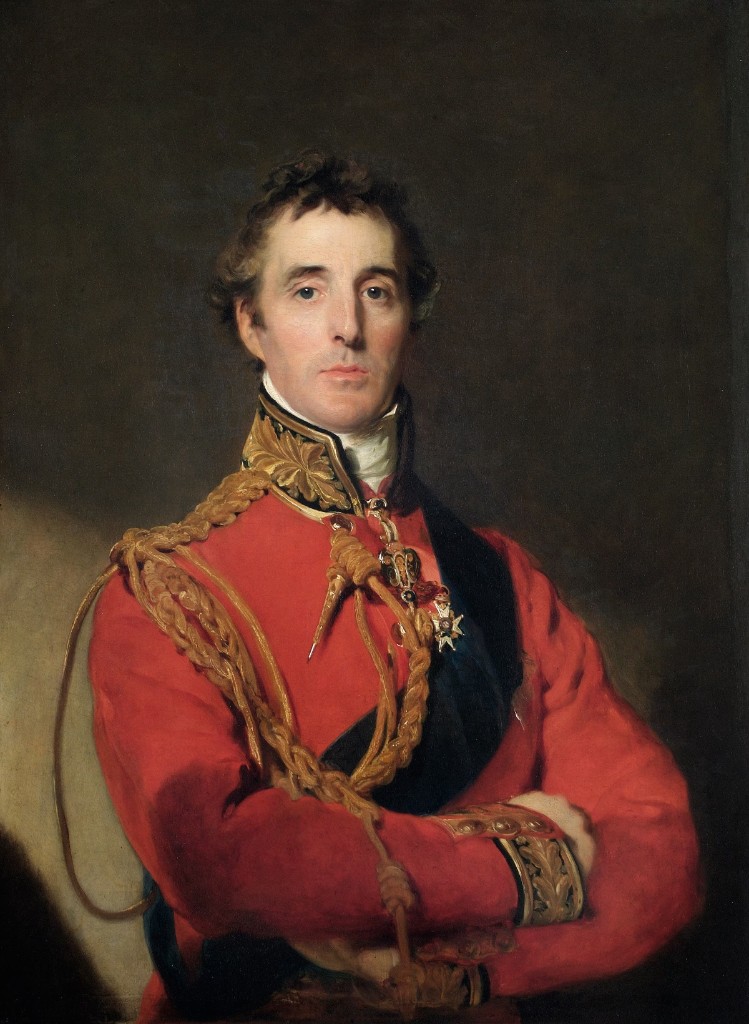
Arthur Wellesley was born in May 1769 in Dublin into Anglo-Irish gentry: third son of the Earl of Mornington, he inherited neither the main title nor a comfortable fortune. Schooling at Eton and the Angers military academy shaped the Protestant cadet who had to « make a name » through service and credit. He entered the army by purchased commission; a first taste of continental war came in Flanders (1794) — a short, inglorious campaign that taught him coalition fragility and supply-line importance. The following years saw him as a Tory MP in Dublin and Westminster, noted more for stiff opinions than military fame; his elder brother Richard, Lord Wellesley, Governor-General of India, opened the path to colonial command. Between 1797 and 1805 Wellesley rose in India: victory at Assaye (1803) against Maratha forces, sieges and diplomacy asserting East India Company supremacy. There he forged cautious tactics — maritime logistics, line-infantry discipline, ground choice — far from Napoleonic dash yet formidable against less centralised foes. Back in Europe in 1805, he took command in 1808 and landed in Portugal: the long Peninsular War began, facing Joseph Bonaparte’s marshals — Masséna, Soult, Ney, Marmont — with positions, entrenchments (Lines of Torres Vedras), and battles fought at local advantage (Talavera, Salamanca, Vitoria). French marshals sometimes called him « Attila of the ledger »: he refused useless fights and counted every resource. In 1814 he crossed the Pyrenees; Napoleon’s abdication at Fontainebleau surprised him before he reached France’s heart. During the Hundred Days he led Anglo-Spanish-Dutch forces in Belgium; at Waterloo (18 June 1815) defence on the Mont-Saint-Jean ridge and Blücher’s Prussians finished the Napoleonic Empire. Wellington later summed the day in a famous phrase — « the nearest run thing you ever saw in your life » — mixing tactical modesty and brutal lucidity. After 1815 he embodied the conservative aristocrat at the state’s summit: ambassador, commander-in-chief, Tory Prime Minister (1828-1830), symbol of resistance to widening the franchise and Chartism, while accepting Catholic emancipation as political calculus. He died in 1852, buried with national honours at St Paul’s. For Empire Napoléon Wellington remains the most durable military antagonist of the Napoleonic myth: the one who won without ever admitting the aesthetic or romantic superiority of the « Corsican genius », whose career extended coalition war until a black marble tomb in London answered Napoleon’s at the Invalides.
Dublin, the Mornington Family and Formative Years
Born into a family blending Irish titles and London ambitions, Arthur Wellesley grew up in the shadow of a musician courtier father who died early and a demanding mother steering sons toward careers fit for rank. Young Arthur was not a brilliant scholar at Eton; biographers stress reserve, taste for order, and a certain social coldness that later served him in tense staffs. Angers taught fortification and French — skills he would use with continental allies and foes.
Army entry by purchased commission was normal for a cadet without fortune: Wellesley was no exception. Early years mixed garrisons, debt kept in check by family support, and contained ambition. Election to the Irish then British Commons anchored him in Tory ranks and gave him the language of defending established order — a theme running through his public life, including against mid-nineteenth-century popular risings.
The Flanders campaign (1794) confronted him with a poorly coordinated coalition and muddy operations: the lesson was unspectacular but lasting — without secure bases and regular supplies even a disciplined army wears down. That insight later fed mistrust of risky grand manoeuvres « for glory » in favour of quartermaster-like logistics.
The Wellesley brothers formed a network: Richard atop Indian administration, Henry in colonial diplomacy and finance. Arthur was not an isolated general but product of family strategy tying military career, patronage, and British imperial vision. That structure partly explains how he gained heavy Indian commands while his European record remained thin.
For Napoleonic historians this youth illuminates contrast with Bonaparte: no lightning rise by coups and plebiscites, but slow aristocratic trajectory where military merit must convince London ministries and peers as much as soldiers. Wellington embodies another modernity — that of the building British empire — alongside the Napoleonic continental model.
India: Assaye, the Company and the Tactical Laboratory
India in the 1790s-1805 was a theatre where East India Company hegemony faced Maratha powers and Mughal legacies. Wellesley first commanded limited operations, then a campaign culminating at Assaye (23 September 1803): a bloody clash where his infantry held under enemy artillery fire and light cavalry finished breaking enemy lines. Victory owed nothing to Napoleonic « one decisive battle » chance: it came from forced marches, intelligence, and choice of difficult ground the general accepted as risk.
Sieges of Indian fortresses taught patience and engineers: Seringapatam remains in British memory as symbol of Tipu Sultan’s fall; for Wellesley it was also school of combined operations with local allies whose loyalty fluctuated. He learned to negotiate with tributary princes, finance armies through Company loans, and never separate political dimension from military plan — a lesson reapplied in Spain with juntas and himself as ambivalent « liberator » figure.
Administrative rigour — spending control, banning systematic pillage that destroys population consent — distinguished him from some officers enriched in the field. The « ledger » later mocked in Europe was already method: an army paid and fed properly lasts longer than glorified conscript armies.
Relations with his brother Richard, Governor-General, mixed pride, tension, and complementarity: one held the pen of annexations, the other the sword of execution. Together they expanded the Indian empire while Napoleon dreamed eastward through Egypt — two imperial geographies not meeting in battle but structuring Franco-British rivalry for the century.
For Empire Napoléon India forged the Wellesley marshals would meet in the Peninsula: a general who accepts battle when odds favour, avoids useless grand gestures, and measures war in weeks of marching and tons of biscuit rather than brilliance alone.
Portugal, Spain and the Marshals’ War
The 1808 landing put Wellesley in a peninsula torn between juntas, popular insurrection, and expert French armies. He won quickly at Vimeiro, then suffered London politics’ hazards — inquiries, general rivalries — before resuming command with greater autonomy. Strategy rested on defending Portugal: building the Lines of Torres Vedras, redoubts and stores letting population and army shelter behind fortifications while Masséna wore his forces against empty positions.
Pitched battles — Talavera, Fuentes de Oñoro, Salamanca, Vitoria — were fought when Wellesley judged ground and reinforcements favourable; he often refused battle when logistics failed. That prudence exasperated London and opinion demanding spectacular success, yet gradually wore French corps scattered between occupation, counter-guerrilla, and long supply lines.
Against Soult, Marmont, Ney, the future Duke of Wellington used Iberian terrain, coordination with Spanish guerrillas — often exaggerated in legend — and above all British naval superiority supplying coastal ports. Joseph Bonaparte, intruder king in Madrid, could not stabilise a throne armies did not hold; Wellesley embodied the allied general turning imperial colonial war into crusade against « Napoleonic oppression », language serving British propaganda for decades.
In 1813, after Vitoria, allied armies crossed the Pyrenees; south-western France fighting was bitter. Wellesley was made Duke of Wellington: the title sealed his entry to England’s highest aristocracy. Napoleon’s abdication in April 1814 surprised him while still pushing north: he had not fought a pitched battle against the Emperor in person on French soil, feeding acute sense of incompleteness — until Waterloo.
For Empire Napoléon the Peninsula was the theatre where the Napoleonic model of envelopment and decisive battle met another school: slow, muddy, obsessive about supplies. Marshals lost reputation there that Wellesley gained in international stature.
Waterloo, Blücher and the End of the Hundred Days
Napoleon’s return from Elba in March 1815 reorganised European diplomacy in weeks: Wellington, fresh ambassador in Paris, joined Brussels to command a composite army — British, Hanoverians, Brunswickers, Dutch, contingents from the United Netherlands. Uniform and command-language heterogeneity contrasted with French mass concentrated under one emperor-general; Wellington compensated with line-infantry fire discipline and carefully chosen positions on the Mont-Saint-Jean ridge.
Preliminaries 15-16 June — Quatre Bras and Ligny — scattered allies: Napoleon fought Blücher at Ligny while Wellington held Quatre Bras against Ney. On 18 June, despite rain delaying French attack and degrading ground, battle joined on a relatively narrow front. Wellington put infantry behind the reverse slope for artillery protection, fanned batteries, and broke French cavalry charges on tight squares — iconic British Waterloo image.
Napoleon sent the Imperial Guard in a last breakthrough attempt; moral and tactical failure of that advance decided outcome before Prussian mass arrived on the French right. Blücher, beaten at Ligny but not destroyed, had marched toward Wavre then the battlefield; Grouchy, behind the French, failed to prevent junction. Historical debate still assigns Napoleonic responsibility — tired generals, Emperor’s health, underestimating Prussians; on the allied side Anglo-Prussian coordination, imperfect the day before, became the decisive factor in the hour of crisis.
Wellington in later correspondence and interviews willingly minimised personal share and stressed how narrow victory was — famous phrase about the « nearest run thing » ever seen. That tone contrasted with triumphal iconography making him « Napoleon’s victor » for British opinion; it also showed a commander aware of human cost and fragile lines at several moments of the day.
For Empire Napoléon Waterloo closed the sequence opened in 1799: the French Empire ended on a Belgian plain between two military schools and two political legitimacies. Wellington entered Napoleonic black legend — cold general, conservative, symbol of reaction — while embodying for Britain the European guarantor of restored balance.
From Vienna to Paris: Command, Reaction and Forced Reform
After 1815 Wellington sat at European peace congresses: Aachen, Troppau, Laibach, in general’s uniform as much as peer of the realm. He embodied military Britain in the concert of powers, sometimes at odds with Foreign Office diplomats and continental sovereigns tied to the Holy Alliance. Blunt speech and open disdain for some court manoeuvres earned him a reputation for diplomatic brusqueness.
Commander-in-chief of forces in France during allied occupation, he watched defeated French society and debates on war indemnity and economic restart. He was no ideologue of Napoleonic « punishment » but pragmatic conservative wanting to avoid both revolutionary return and too-fragile Bourbon restoration for holding Europe.
Back in England he became a target for radicals and reformists: figure of aristocratic militarism, declared foe of male universal suffrage, he embodied the wall against which part of Chartism broke. Yet as Prime Minister (1828-1830) he accepted Catholic emancipation — a measure earning him jeers and London mob riots attached to exclusive Anglicanism. The gesture showed his realism: preserving state and Union against Irish risk beat Tory doctrinal purity.
His fall from government opened the way to the Great Reform Act under Whigs — electoral reform he long resisted but finally called inevitable, to ultra-Tory dismay. Ageing, he remained in the House of Lords as brutal sage mocked and respected at once.
For Empire Napoléon this political phase prolonged ideological antagonism: Wellington represented Europe of restored thrones and policing of ideas, ceaselessly criticised by heirs of 1789 and Bonaparte. His political shadow matched his military glory.
Death, Memory and Relation to the Napoleonic Era
Wellington died 14 September 1852 at Walmer Castle, Kent, after a career spanning six decades of European history. National funeral at St Paul’s drew immense crowds; the coffin lies under black marble commissioned by Queen Victoria — deliberately sober monumental architecture in visual dialogue with continental imperial tombs. Press and prints fixed for nineteenth-century Britain the Duke as tutelary father of the military nation.
Military historians of the next century debated his relative genius: neither theorist like Clausewitz nor flamboyant manoeuvrer like Napoleon, Wellington appeared as master of defensive battle combined with global imperial logistics. Recent criticism stresses colonial cost of that war machine and violence of occupation in France as in India — angles Victorian legend largely erased.
In French and Napoleonic popular culture Wellington remains the « general of rain » or Prussian beneficiary — partial readings denying to varying degrees his command quality at Waterloo. Anglophone specialists answer with detailed terrain analysis, reserve timing, and quality of Hanoverian and Dutch troops too often missing from Francophone accounts centred on the Guard.
The Napoleon-Wellington parallel still structures museums, novels, and film: two power architectures, two empires — one continental codified by Code and marshals, the other maritime financed by the City — whose personal clash culminates one June day on a Belgian plateau. For Empire Napoléon Wellington is essential: without him the Empire’s fall would read as anonymous coalition; with him it gains the face of an adversary as stubborn as methodical, whose political longevity reminds that 1815 is not a parenthesis but the start of another century.
In conclusion the Wellesley entry links India, Peninsula, and Belgium in one British imperial trajectory, inverted mirror of the Napoleonic path: less flash, more endurance; less legislator, more coalition manager; same scale in European memory of arms.
Discover other characters
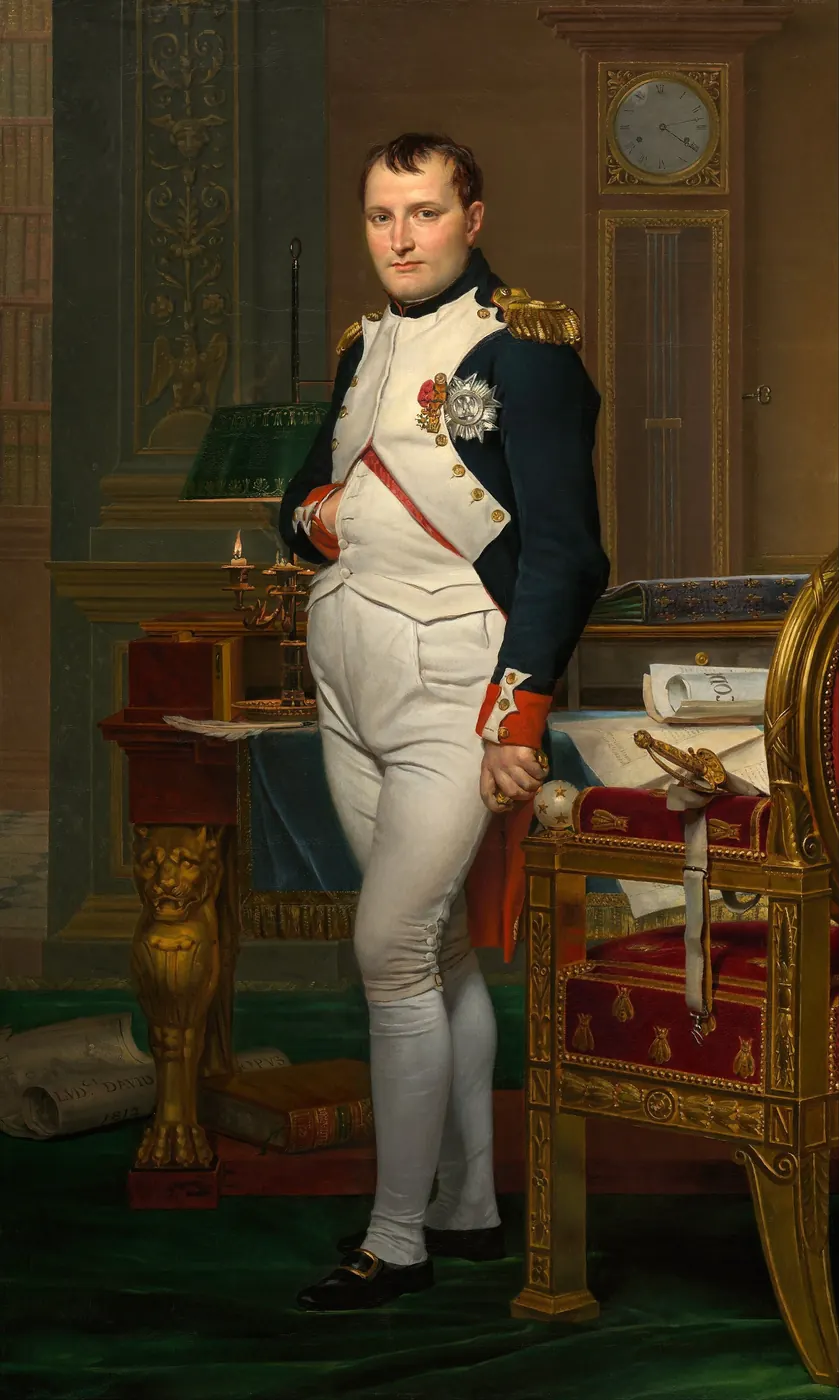
Napoleon Bonaparte
Emperor of the French
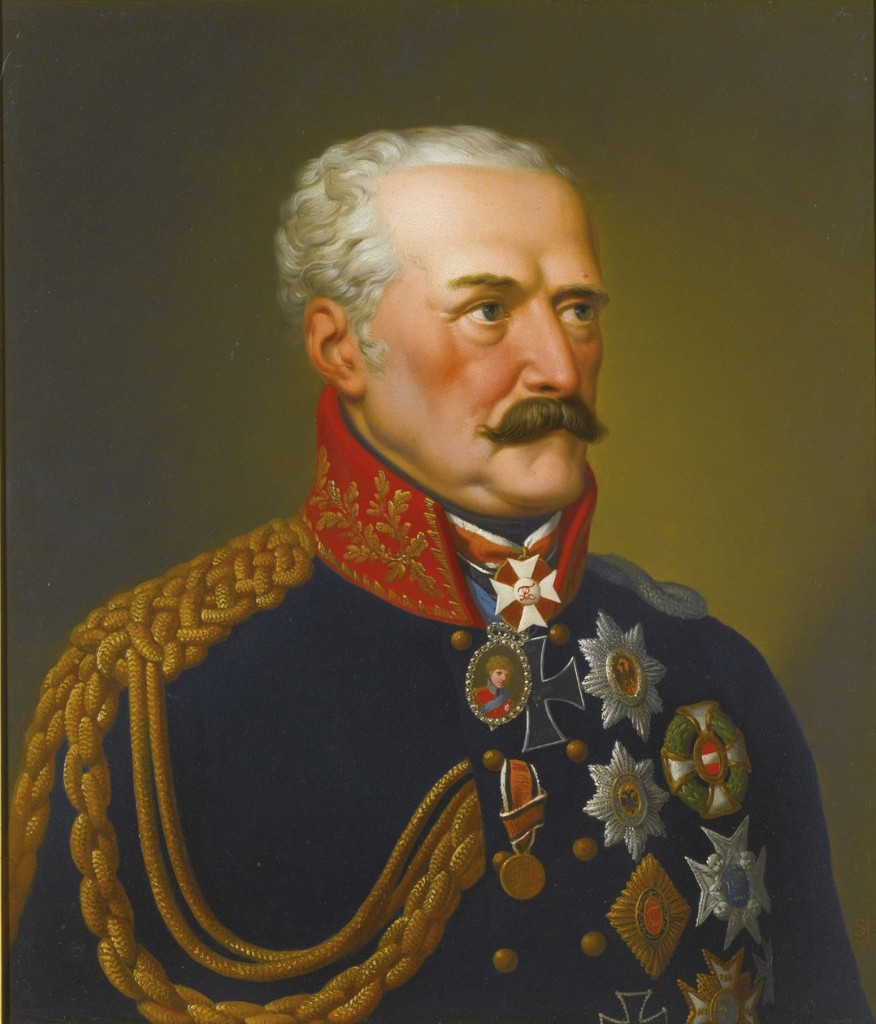
Gebhard Leberecht von Blücher, Prince of Wahlstatt
Prussian general, field marshal on coalition battlefields
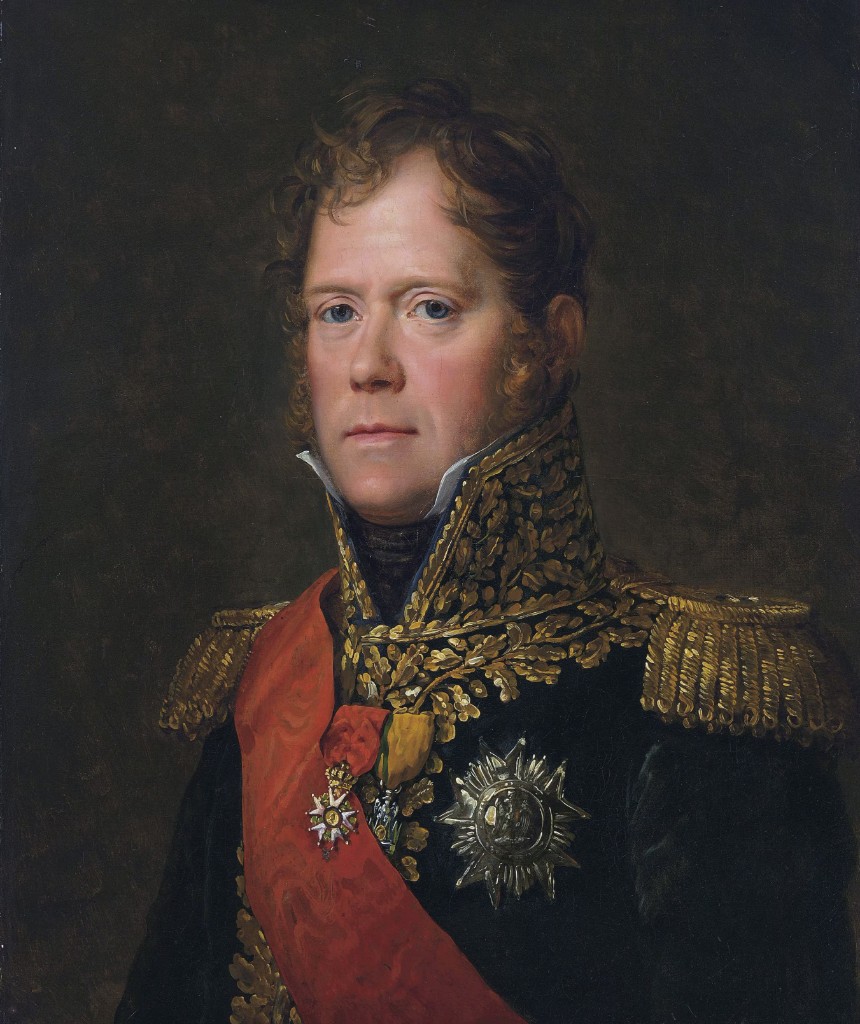
Michel Ney
Marshal of the Empire, Prince of the Moskova
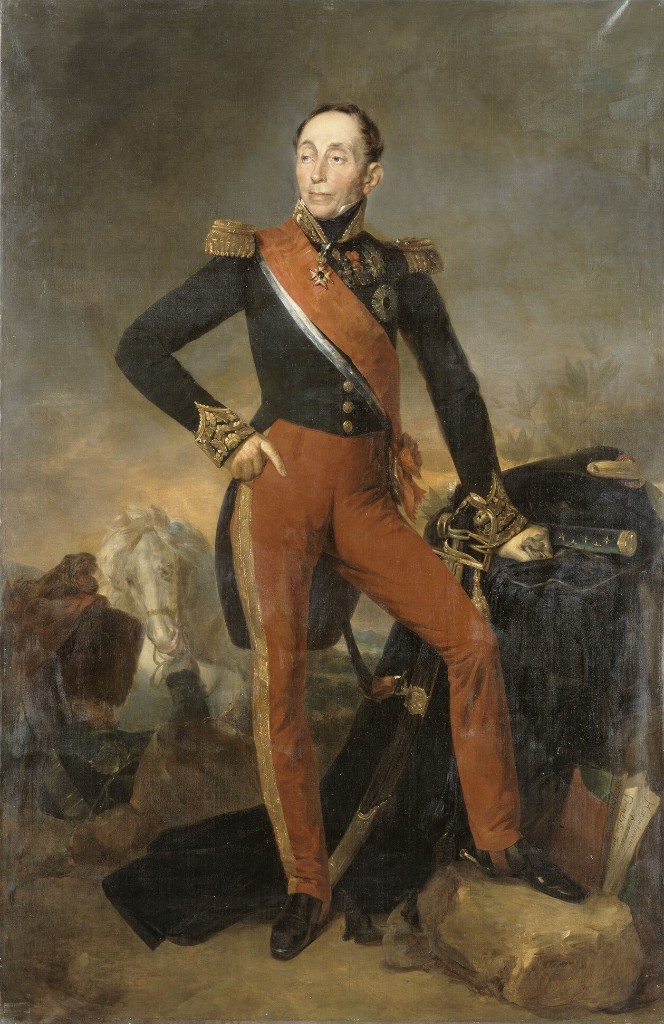
Emmanuel de Grouchy
Marshal of the Empire, Count of Grouchy
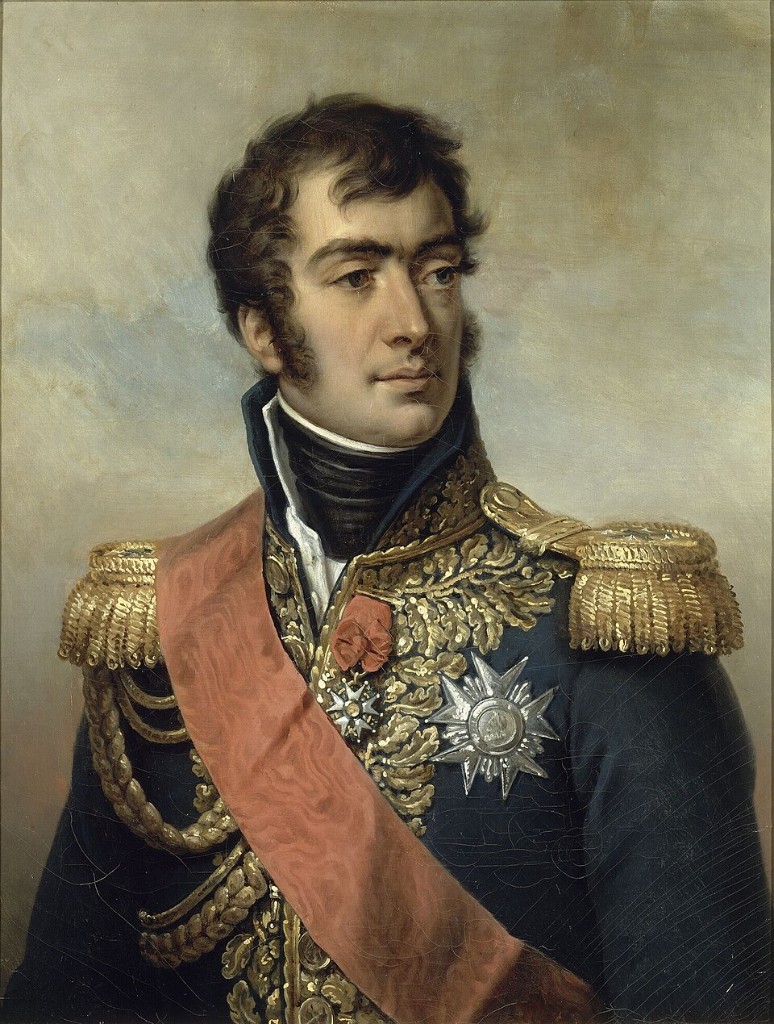
Auguste de Marmont
Marshal of the Empire, Duke of Ragusa
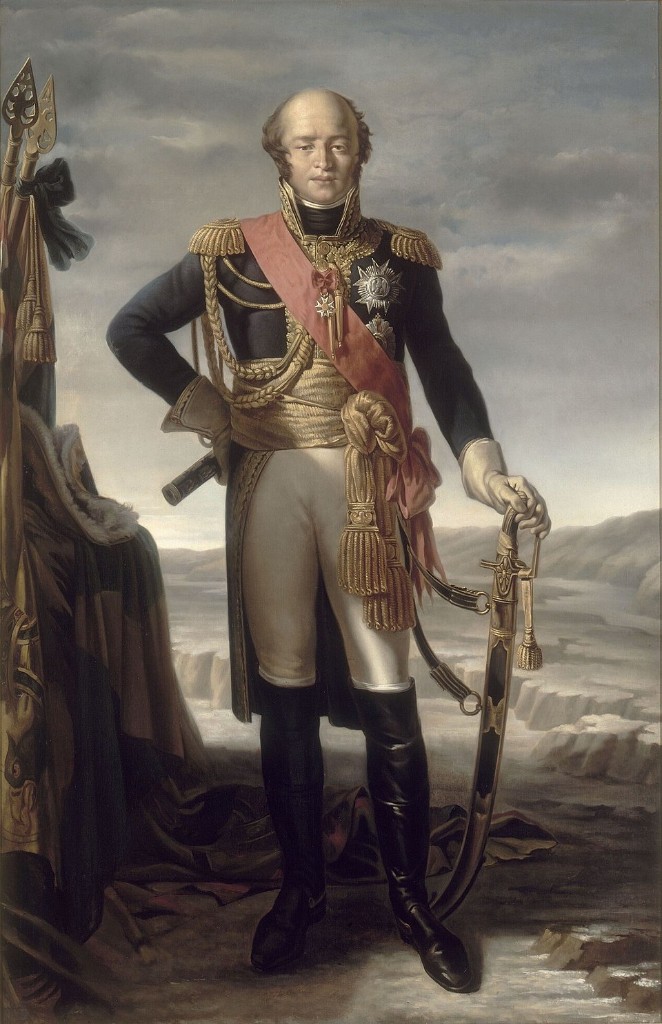
Louis-Nicolas Davout
Marshal of the Empire, Prince of Eckmühl
Go further
Recommended books to dig deeper (affiliate links)
Napoleon the Great
Andrew Roberts · 2014
A monumental biography drawing on Napoleon’s 33,000 surviving letters, admiring but rigorous.
See on Amazon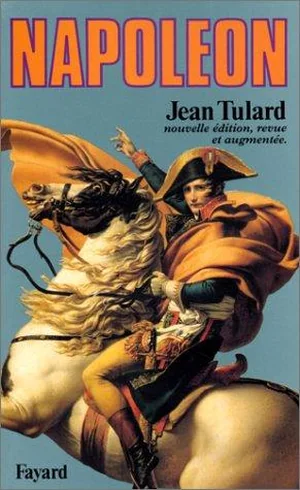
Napoléon ou le mythe du sauveur
Jean Tulard · 1977
The book that reshaped how the man is read: how France gave itself a saviour, and what it cost.
See on Amazon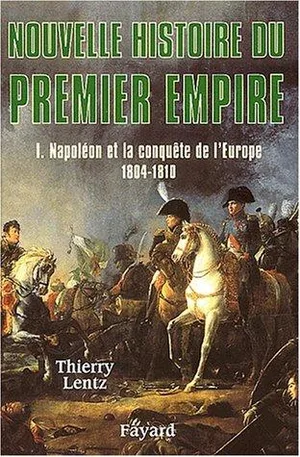
Nouvelle histoire du Premier Empire
Thierry Lentz · 2002-2010
Four reference volumes on institutions, diplomacy and collapse: the scholarly synthesis of the subject.
See on AmazonAs an Amazon Associate, this site earns from qualifying purchases.
Support the encyclopedia
Napoleon Empire is an independent project. Your contribution helps grow the content and keep the site running.
DonateSecure payment on the platform you choose.