Taken in flames on the way out, recrossed in famine on the way back. Smolensk has kept its seventeenth-century walls, the only setting of 1812 still standing on the Moscow road.
Historical context
Smolensk commands the Moscow road, on the upper Dnieper, behind a six-kilometre brick wall built in the early seventeenth century. On 16, 17 and 18 August 1812 Napoleon hoped to force there the pitched battle the Russians had refused him for two months. Bagration and Barclay de Tolly held the city long enough to disengage their armies, then evacuated it by night.
The city burned. The wooden suburbs almost entirely disappeared; of thirty thousand inhabitants a few thousand remained. The army entered empty ruins and found neither food, nor anyone to talk to, nor a decision. It was there that Napoleon hesitated for the last time: winter at Smolensk, or march on Moscow. He chose Moscow.
Three months later the retreat came back through. The stores accumulated at Smolensk were meant to save the army; they were plundered in disorder within hours by men who no longer had units. The harshest scenes in the memoirs of the campaign date from this stage — Ségur, Caulaincourt and Bourgogne all describe Smolensk.
Today's city still shows its walls, its towers and its Assumption cathedral; a bronze eagle raised in 1913 marks the centenary, and several monuments line the ramparts. Smolensk burned a second time in 1941-43, erasing many traces — but the wall held twice.
Go further
Recommended books to dig deeper (affiliate links)
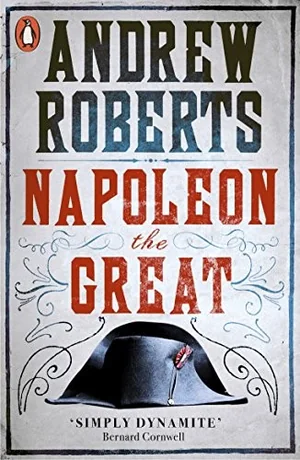
Napoleon the Great
Andrew Roberts · 2014
A monumental biography drawing on Napoleon’s 33,000 surviving letters, admiring but rigorous.
See on Amazon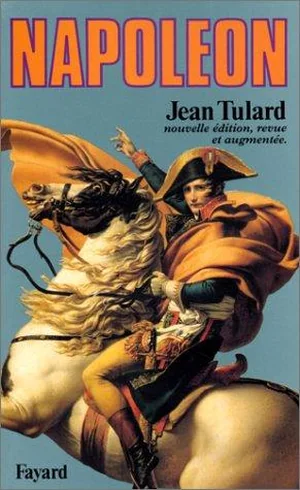
Napoléon ou le mythe du sauveur
Jean Tulard · 1977
The book that reshaped how the man is read: how France gave itself a saviour, and what it cost.
See on Amazon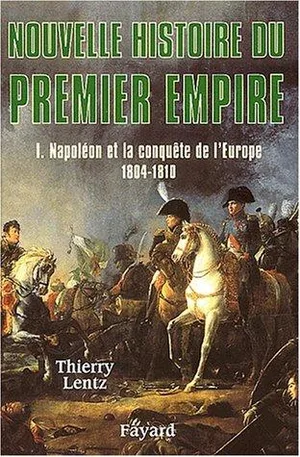
Nouvelle histoire du Premier Empire
Thierry Lentz · 2002-2010
Four reference volumes on institutions, diplomacy and collapse: the scholarly synthesis of the subject.
See on AmazonAs an Amazon Associate, this site earns from qualifying purchases.
Support the encyclopedia
Napoleon Empire is an independent project. Your contribution helps grow the content and keep the site running.
DonateSecure payment on the platform you choose.