After Russia, Prussia rises
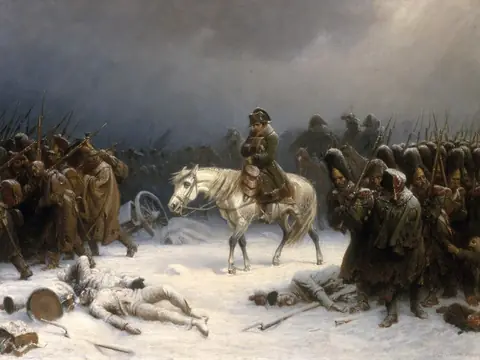
In early 1813, what was left of the Grande Armée was streaming west. Murat, to whom Napoleon had left the command, abandoned the army in mid-January to return to Naples, and it fell to Eugène de Beauharnais to try to hold a line, first on the Oder, then on the Elbe. The Russians followed. On 30 December 1812, at Tauroggen, the Prussian general Yorck had already taken his corps out of the war without his king's consent.
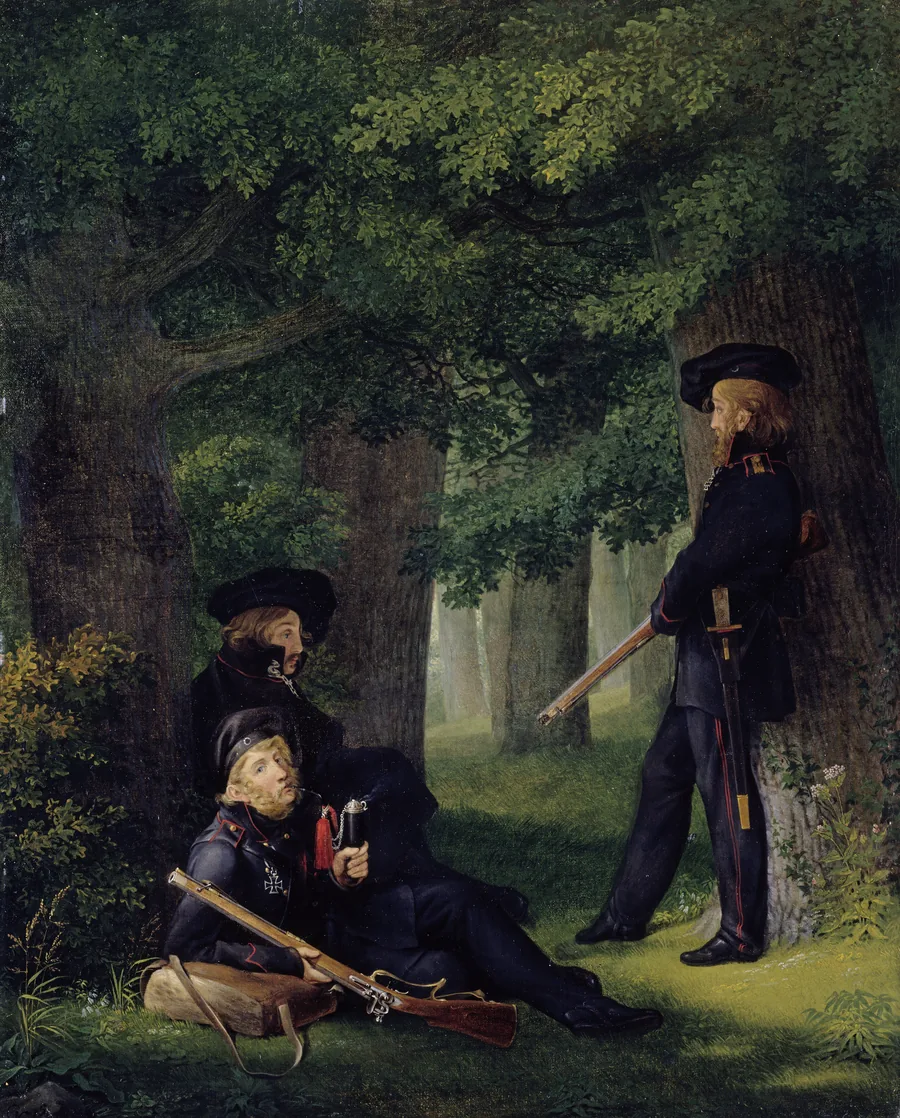
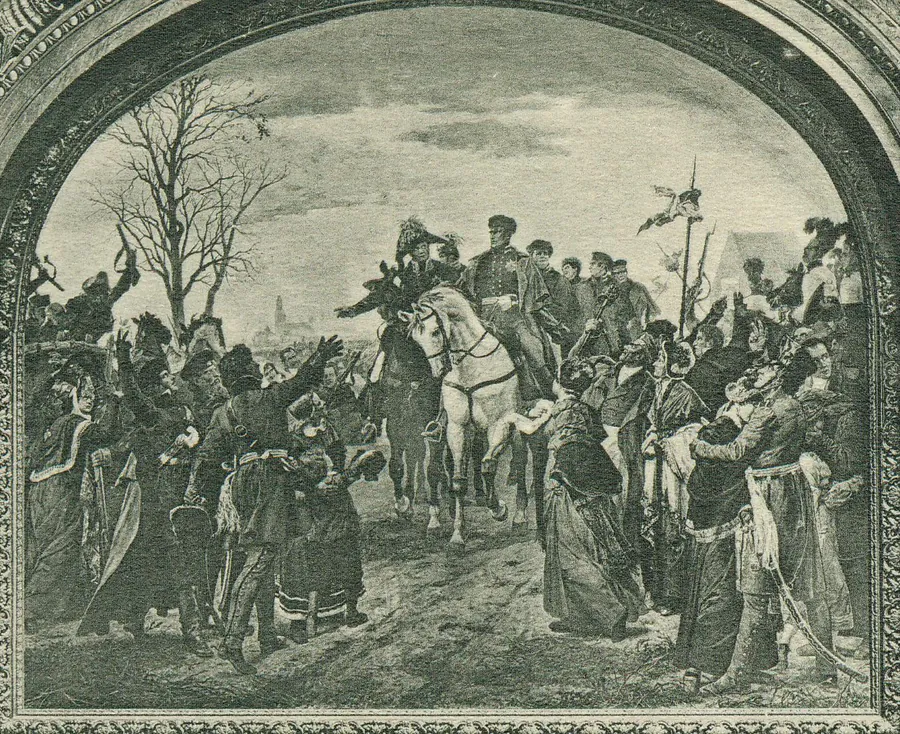
Frederick William III still hesitated. His kingdom, defeated in 1806, cut down at Tilsit, occupied and bled by war levies, was still officially France's ally. But Prussian opinion was turning, and the king eventually followed. On 28 February the Treaty of Kalisz allied him with Russia. In mid-March Prussia declared war on France, and on 17 March the king issued from Breslau his appeal An mein Volk, "To my people". A week earlier he had created a new decoration, the Iron Cross, open to all ranks.
The mobilisation was unprecedented. Military service became compulsory, a militia, the Landwehr, was raised in every province, and free corps of volunteers were formed, such as Major von Lützow's, which drew students, craftsmen and poets from all over Germany. By most estimates the Prussian army grew from about 130,000 men in March to nearly 280,000 in August, in a country of fewer than five million inhabitants. Napoleon was no longer fighting governments alone: for the first time in Germany, he faced a national uprising.
An army without cavalry
Back in Paris during the night of 18 to 19 December 1812, Napoleon rebuilt an army within a few months. A senatus consultum of 11 January 1813 placed 350,000 men at his disposal: conscripts called up ahead of time, national guardsmen transferred to the line, naval gunners turned into infantry, veterans recalled from Spain to train the recruits. The infantry was soon rebuilt. The cavalry was not: tens of thousands of horses had been left in Russia, and a horseman cannot be trained in a few weeks. That shortage weighed on the whole campaign. Without cavalry, Napoleon could still win a battle, but he could neither scout ahead of his march nor pursue a beaten enemy.
The coalition, meanwhile, was growing. Russia and Prussia were joined by Bernadotte's Sweden: the former marshal of the Empire, now crown prince, landed in Germany in May. Britain paid. Austria, whose emperor was Napoleon's father-in-law, remained officially his ally, but its minister, Metternich, was biding his time.
Lützen and Bautzen, victories without a sequel
Napoleon took command at the end of April and advanced into Saxony. On the eve of the battle, 1 May, Marshal Bessières was killed by a cannonball at Rippach. On 2 May, at Lützen, Wittgenstein's and Blücher's Russians and Prussians caught Ney's corps around a cluster of villages. The young conscripts held out all day under terrible fire until Napoleon arrived with the rest of the army and the Guard. The victory was clear, but the allies withdrew in good order: with no cavalry, nobody could pursue them.
The pattern repeated itself three weeks later. On 20 and 21 May, at Bautzen on the Spree, Napoleon attacked frontally while Ney was to turn the position from the north and cut off the enemy's retreat. The envelopment never closed, and the allies escaped again, leaving few guns or prisoners behind. The next day a single cannonball killed General Kirgener and mortally wounded Duroc, Grand Marshal of the Palace and one of the Emperor's very few close friends. In a month, Napoleon had won two battles and recovered Saxony. He had destroyed no army.
The summer armistice
On 4 June, at Pläswitz in Silesia, the belligerents signed an armistice, later extended to 10 August. Napoleon wanted time to rebuild his cavalry and to negotiate. Many historians see it as one of his worst mistakes; others point out that with an exhausted army and no horsemen he had little choice. The allies made better use of the truce. Britain promised new subsidies to Prussia and Russia, the Prussian Landwehr completed its organisation, and Austria undertook, by the Treaty of Reichenbach of 27 June, to go to war if Napoleon rejected its terms.
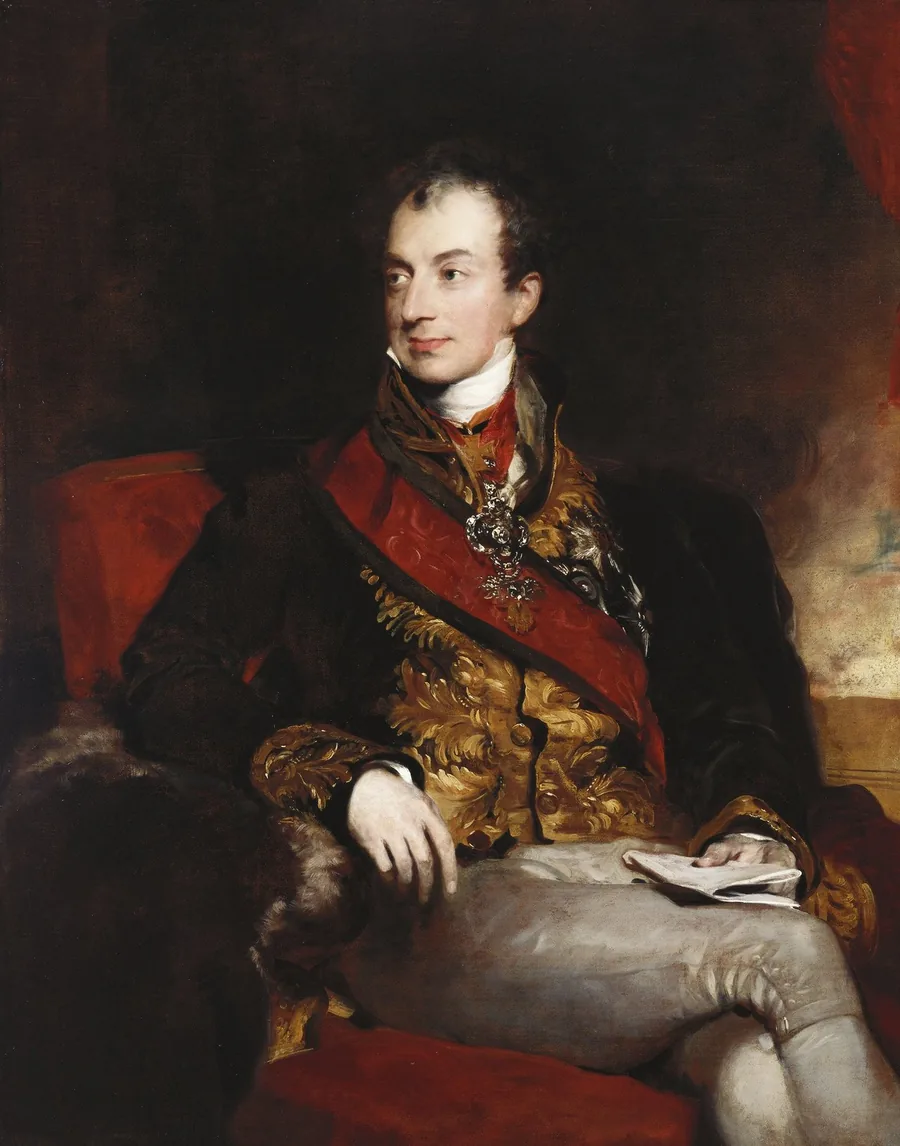
On 26 June, in the Marcolini Palace in Dresden, Napoleon received Metternich for a meeting that lasted about eight hours. Austria demanded, among other things, the dissolution of the Duchy of Warsaw, the return of the Illyrian Provinces and the restoration of a strong Prussia. Napoleon would give up nothing that looked like a defeat. The congress that met in Prague in July merely recorded the deadlock. Meanwhile, in Spain, Wellington crushed King Joseph's army at Vitoria on 21 June, and the news weighed in Vienna's calculations. On 12 August Austria declared war on France.
The Trachenberg trap
During the armistice, from 9 to 12 July, the allied sovereigns met at Trachenberg Castle in Silesia. The plan they adopted, which owed much to Bernadotte, was formidably simple: never accept battle against Napoleon in person, fall back before him, and strike at his lieutenants whenever they were on their own. Three armies shared the task: Bernadotte's Army of the North, around Berlin, about 135,000 men; Blücher's Army of Silesia, about 95,000; and Schwarzenberg's Army of Bohemia, the strongest, with 180,000 to 200,000 Austrians, Russians and Prussians depending on the source. Napoleon, for his part, counted on about 400,000 men in Germany, 300,000 of them around Bautzen.
The plan worked almost perfectly. On 23 August, at Grossbeeren, Oudinot, who was marching on Berlin, was driven back by Bülow's Prussians. On the 26th, on the Katzbach, Blücher beat Macdonald in torrential rain that flooded the rivers. That same day and the next, Napoleon himself won the Battle of Dresden, his last great victory in Germany: the Army of Bohemia, which was attacking the city, was thrown back with heavy losses, and General Moreau, Bonaparte's old rival now serving the Tsar, had both legs shattered by a French cannonball. But the pursuit failed. On 30 August, at Kulm in Bohemia, Vandamme's corps, pushed too far without support, was surrounded and destroyed, and its commander taken prisoner. Finally, on 6 September at Dennewitz, Ney was beaten in turn by the Army of the North.
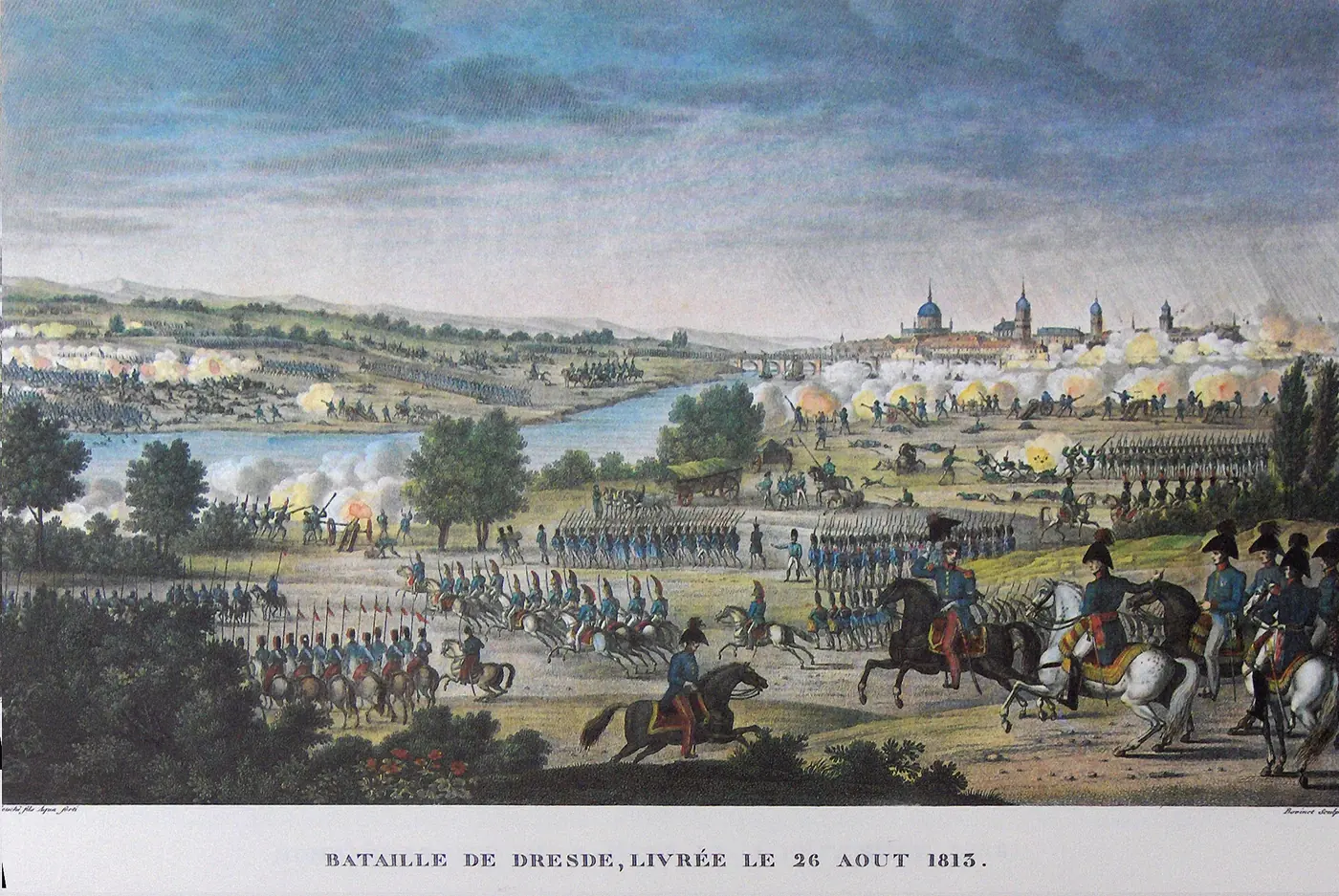
In three weeks, the marshals' defeats had cost far more than the victory at Dresden had gained. The Emperor rushed from one threatened point to another without ever managing to catch an enemy army. Fatigue, hunger and desertion, above all among the German contingents, ate away at his numbers. On 8 October, by the Treaty of Ried, Bavaria changed sides. The Confederation of the Rhine was beginning to come apart.
Leipzig, the Battle of the Nations
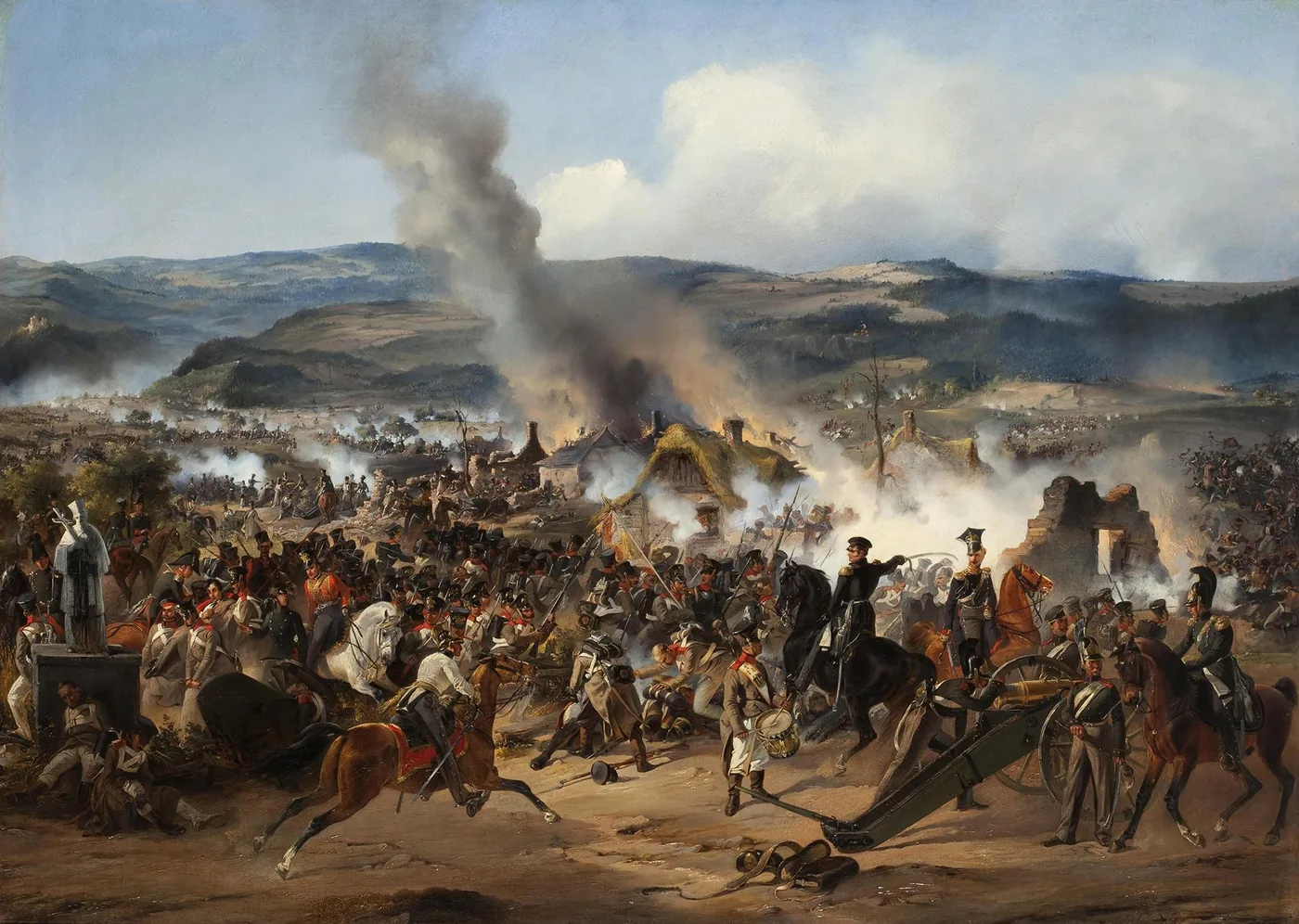
In early October the three allied armies converged. Threatened with being cut off from France, Napoleon pulled out of Dresden, leaving Gouvion Saint-Cyr there with nearly 30,000 men, and concentrated his forces around Leipzig. The battle fought there from 16 to 19 October was the largest Europe had seen before the twentieth century. Napoleon had 190,000 to 210,000 men depending on the source; the allies, about 200,000 on the first day, fielded more than 300,000 by the 18th. French, German, Russian, Swedish, Polish and Italian were all spoken on the field, hence the name "Battle of the Nations".
On the 16th Napoleon attacked in the south, around Wachau, and very nearly broke through; in the north, at Möckern, Yorck's Prussians took the village at a terrible cost. On the 17th there was little fighting, but allied reinforcements were arriving. On the 18th the vice closed along the whole line; in the middle of the battle, part of the Saxon troops went over to the enemy. On the 19th the French army withdrew by the only road left to it, to the west. The bridge over the Elster, which was to be blown once the rearguard had crossed, went up too early: thousands of men were trapped in the city. Poniatowski, made a marshal three days before, drowned trying to cross the river on horseback.
The losses are still debated. The most common estimate is 90,000 killed and wounded in four days. On the French side, the 38,000 to 45,000 killed and wounded must be added to at least 15,000 prisoners and more than 20,000 wounded and sick left behind in the Leipzig hospitals.
Back to the Rhine
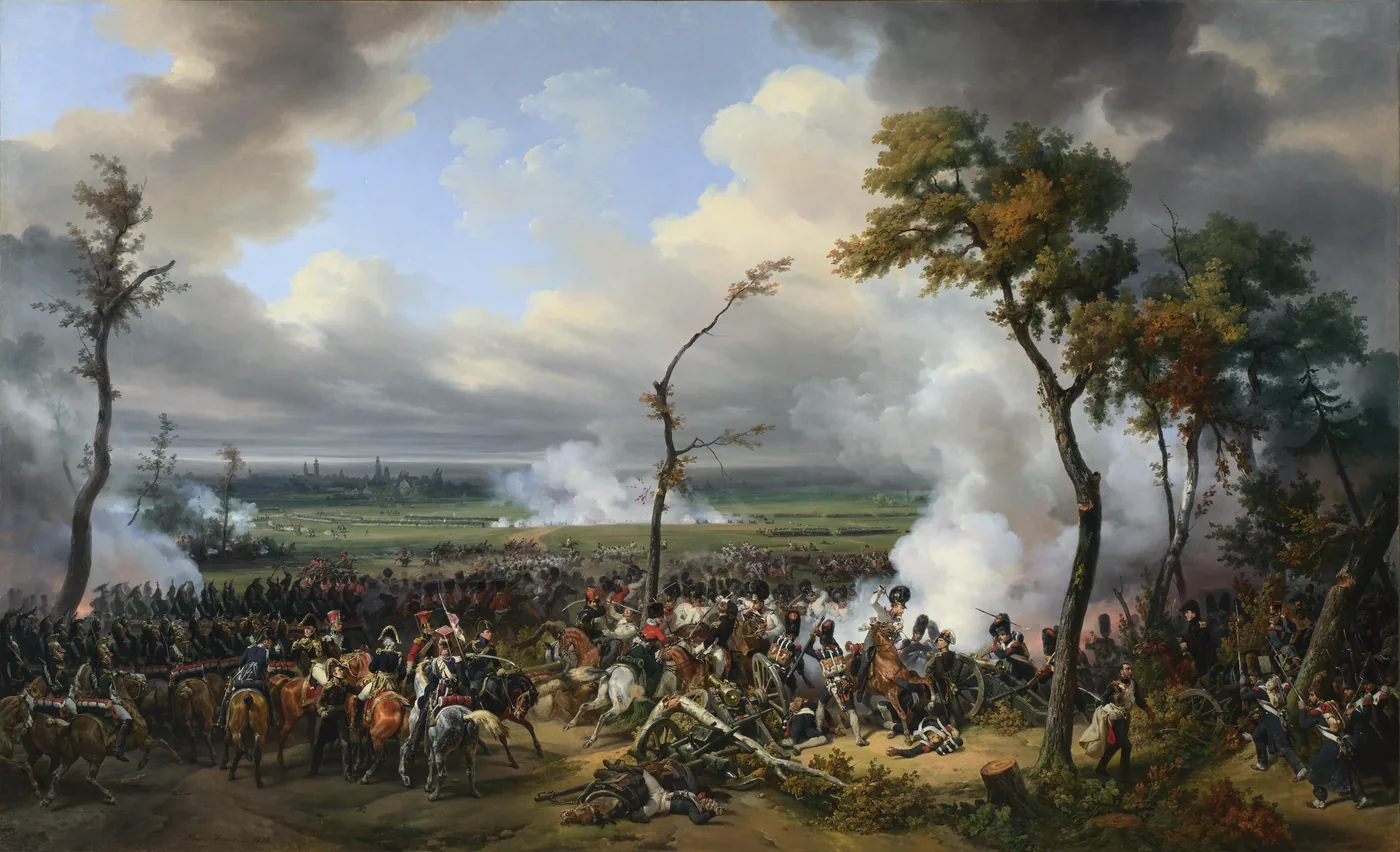
The retreat took the road to Frankfurt. On 30 October, at Hanau, General Wrede's Austro-Bavarian army, about 40,000 men, tried to bar the way. Napoleon massed his artillery under Drouot, sent in the cavalry of the Guard and forced his way through. In early November, the remnants of the army crossed the Rhine at Mainz. They brought typhus with them: according to estimates, the epidemic killed some 17,000 soldiers and more than 2,000 of the town's inhabitants over the winter. Napoleon was back at Saint-Cloud on 9 November.
Behind him, more than 100,000 men remained shut up in the fortresses of Germany and Poland, from Danzig to Magdeburg. They would play no further part in the war. Dresden surrendered on 11 November, and Danzig, defended by Rapp, at the end of the same month. Davout held Hamburg until May 1814, long after the Emperor's abdication.
What 1813 changed
The German campaign brought down the whole Napoleonic edifice beyond the Rhine. The Confederation of the Rhine broke up, Jérôme's Kingdom of Westphalia vanished, and Holland rose in November. At Frankfurt the allies let it be known that they would still accept a peace leaving France its "natural frontiers": the Rhine, the Alps and the Pyrenees. Napoleon was slow to reply. By the time he accepted these terms, in early December, the allies had already hardened their demands. On 21 December Schwarzenberg's army began to cross the Rhine; during the night of 31 December to 1 January 1814, Blücher crossed it at Kaub. The campaign in France had begun.
For Napoleon, 1813 was the year victories stopped being enough. He won at Lützen, Bautzen and Dresden and lost everything, because his opponents had learned not to give him the battle he wanted, and because the whole of Europe had combined against him. In France, the memory of the campaign lives on in the young conscripts raised that autumn by a senatus consultum that Marie-Louise signed as regent, and who were nicknamed "Marie-Louises" for that reason, and in Erckmann-Chatrian's novel Histoire d'un conscrit de 1813 ("The Story of a Conscript of 1813"), published in 1864.
In Germany, 1813 became the "War of Liberation", a founding myth. Körner's poems, written by a man killed in action in August, were learned in schools; the Iron Cross lived on through the wars of the nineteenth and twentieth centuries; and in Leipzig a gigantic monument was inaugurated on 18 October 1913, for the centenary of the battle. Historians have since qualified this national story, which turned a coalition of monarchies into the awakening of the German people. It nonetheless weighed on the whole of German history in the century that followed.
Further reading
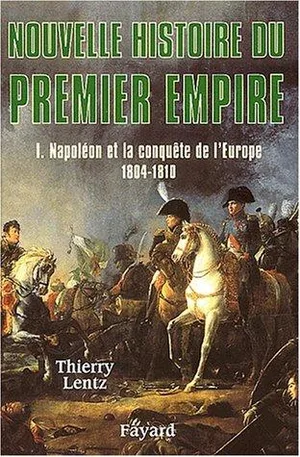
- Thierry Lentz, Nouvelle histoire du Premier Empire, vol. II, L'Effondrement du système napoléonien, 1810-1814, Fayard, 2004.
- Dominic Lieven, Russia Against Napoleon. The Battle for Europe, 1807 to 1814, Allen Lane, 2009.
- Michael V. Leggiere, Napoleon and the Struggle for Germany. The Franco-Prussian War of 1813, 2 vols, Cambridge University Press, 2015.
- Jean-Pierre Patat, 1813, seul contre tous, Bernard Giovanangeli, 2010.
- A novel: Erckmann-Chatrian, Histoire d'un conscrit de 1813, 1864.