On 27 August 1813, in the rain, Napoleon beat an army twice his size before the gates of Dresden. It was his last major victory — and it changed nothing.
Historical context
Dresden was the pivot of the German campaign: capital of the Kingdom of Saxony, the last faithful ally, the army's central depot and imperial headquarters through the summer of 1813. When Schwarzenberg's Army of Bohemia came down on the city with two hundred thousand men, Napoleon hurried back from Silesia in two days and arrived in time.
The fighting of 26 and 27 August took place in the suburbs and on the southern heights, around the Great Garden. Rain drowned the musket priming; artillery and cavalry decided. The allies lost nearly forty thousand men and withdrew in disorder towards Bohemia. It was a clear victory, the last on that scale.
No effect followed. Napoleon, unwell, did not pursue; Vandamme's corps, sent to cut the retreat, was surrounded and capitulated at Kulm three days later. On the heights of Räcknitz a monument marks the spot where General Moreau, the former victor of Hohenlinden then in the Tsar's service, had both legs carried away by a French cannonball.
The city visited today is no longer that one. The bombing of February 1945 destroyed the baroque centre, rebuilt over the following sixty years, down to the Frauenkirche restored in 2005. Of the fighting of 1813 nothing remains but the line of the heights, the Great Garden and a few monuments: Dresden's memory has been entirely covered over by a more recent catastrophe.
Go further
Recommended books to dig deeper (affiliate links)

Napoleon the Great
Andrew Roberts · 2014
A monumental biography drawing on Napoleon’s 33,000 surviving letters, admiring but rigorous.
See on Amazon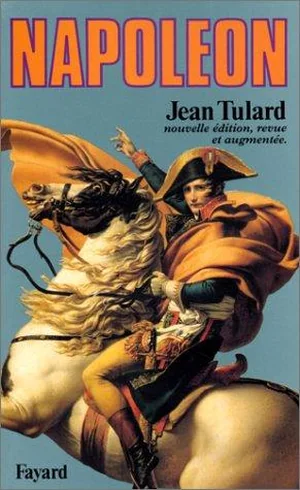
Napoléon ou le mythe du sauveur
Jean Tulard · 1977
The book that reshaped how the man is read: how France gave itself a saviour, and what it cost.
See on Amazon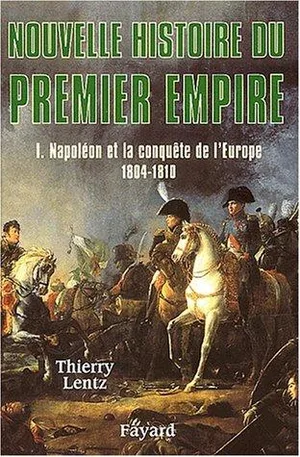
Nouvelle histoire du Premier Empire
Thierry Lentz · 2002-2010
Four reference volumes on institutions, diplomacy and collapse: the scholarly synthesis of the subject.
See on AmazonAs an Amazon Associate, this site earns from qualifying purchases.
Support the encyclopedia
Napoleon Empire is an independent project. Your contribution helps grow the content and keep the site running.
DonateSecure payment on the platform you choose.