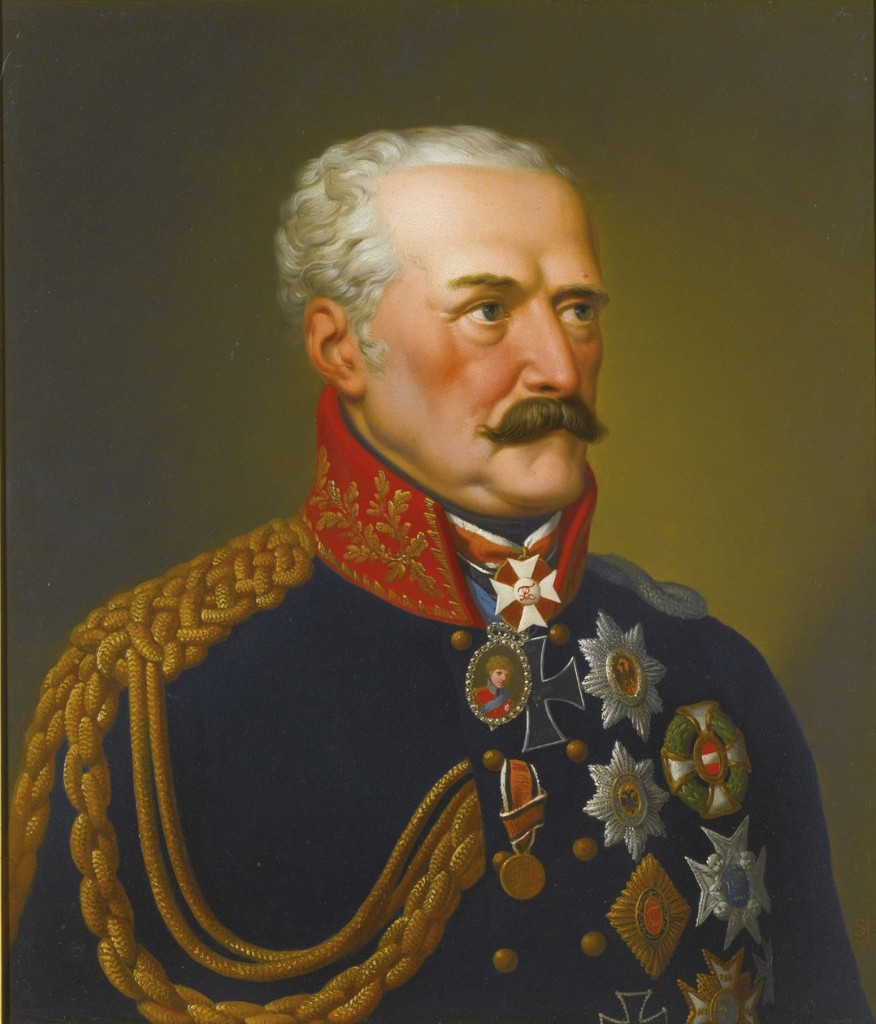
Gebhard Leberecht von Blücher was born in 1742 into a noble Mecklenburg family in a Prussia still asserting military power under Frederick II. A career cadet, he first served in the Swedish army; taken prisoner by Prussians, he changed sides and rose in the royal cavalry — an unorthodox path forging a man little awed by court titles. A Seven Years’ War veteran, he seemed retired before Revolutionary and Napoleonic wars recalled Enlightenment generations to serve a changing state. In October 1806 at Jena and Auerstedt the Prussian army collapsed in hours: Blücher refused psychological surrender, fought retreating, surrendered with honour after desperate charges. Napoleon treated him as a prisoner of rank; the marshal nursed a personal hatred of the Emperor of the French that ran through his later career. After years in the shadows and recall, he became central again in 1813: beside Alexander I’s Russians and under Frederick William III he embodied Prussia « standing » after Tilsit — blunt speech, daring, ability to raise morale after Lützen or Bautzen. At Leipzig his name ties to the « battle of nations » that first broke large-scale Napoleonic invincibility myth. The 1814 abdication and Elba exile did not « tame » him: in June 1815 commanding Prussians in Belgium he suffered sharp defeat at Ligny on the 16th — famous anecdote of evacuation cart and « forward » cry despite bruising — yet imposed the march north letting Bülow’s and other corps reach the French right at Waterloo. His soldiers shouted « Vorwärts! »; legend fixed the nickname « Marschall Vorwärts ». Entry to Paris with vengeful feelings had to be checked by diplomats; Congress of Vienna and restoration did not erase the old marshal’s anti-Napoleonic edge. Created Prince of Wahlstatt, laden with titles and estates, he died in 1819, almost eighty, idolised by a Prussia rebuilding on the myth of 1813-1815. Nineteenth-century German historians made him a national hero often crudely anti-French; modern research nuances imprudence and coordination errors while recognising offensive timing decisive in 1815. For Empire Napoléon Blücher embodies the continental ally unblinded by Napoleonic legend: neither Tilsit nor Fontainebleau broke him; his shadow completes Wellington’s — Britain of the sea, Prussia of the forced march — to close the Waterloo trap.
Mecklenburg, Swedish Cavalry and Apprenticeship under Frederick II
Born at Rostock in minor territorial nobility, Blücher early entered the logic of European careers where a cadet without appanage needed foreign army service or fortune of wars. His passage through the Swedish army, then capture and Prussian enlistment, is not novelistic anecdote: it reflected professional soldier mobility in the eighteenth century where uniform « nation » sometimes trumped birth flag.
Under Frederick the Great he learned cavalry war: controlled charges, sabre bearing, endurance of horses and men on long campaigns. The Seven Years’ War taught him Prussian glory rested as much on parade discipline as on absorbing setbacks without dissolving regimental morale — a lesson he would reactivate facing Napoleon sixty years later when other generals wanted to negotiate too fast.
Decades of relative peace did not leave him idle in Prussian military imagination: he rose slowly through ranks, skirted disgrace for debt and garrison manners — recurring theme among « crude » officers scorned by Berlin salons. That peasant-marshal image, exaggerated by legend, hid a practitioner who could read battlefield and staff map even if command style stayed verbal and blunt.
The French Revolution and coalition wars woke Europe: Prussia hesitated between proud neutrality and continental commitment. Blücher, already near fifty, found himself in operations where heavy cavalry still played structural role before generalisation of Napoleonic masses. He observed how revolutionary armies broke classical cadences — prelude to the 1806 shock.
For Napoleonic historians this young Blücher is opposite the rising Corsican general: no precocious genius mediated by bulletins, but long maturation in Hohenzollern shadow, making him most dogged survivor of Tilsit humiliation.
Jena-Auerstedt: Prussian Humiliation and Napoleonic Hatred
In October 1806 the double battle of Jena and Auerstedt finished in one day what decades of Prussian military reputation had built: the army came apart, command chains blurred, Napoleon and Davout imposed a tempo neither Blücher’s cavalry nor line infantry could match. The marshal tried counter-charges to cover retreat; the situation became untenable; honourable surrender of last masses became tactical necessity rather than moral abandonment.
Napoleon’s treatment of the high-ranking prisoner mixed courtly respect and superiority display: Blücher forgot neither phrasing nor spectacle. That captivity, relatively short but symbolically heavy, crystallised personal hatred memoirs and later correspondence let show through dry staff language. For him Napoleon was not merely political opponent: he was the man who trampled pride of an army Blücher had devoted his life to.
Scharnhorstian reforms, rise of more « national » military-service conception, and Prussian institutional refoundation after Tilsit unfolded parallel to his disgrace then recall. Blücher was not reform theorist — he was beneficiary and soldierly symbol: the one rank-and-file recognised in camp bustle better than in memoranda.
Diplomatically Prussia oscillated between forced alliance with France and revenge dream; Blücher embodied inner revanchist voice cabinets had to temper when treaties demanded. Tension between dynastic loyalty and anti-French passion structured his whole presence in Sixth Coalition war.
For Empire Napoléon Jena is biographical pivot: without that lightning defeat Blücher would have remained one cabinet marshal among others; with it he became the novelistic figure — sometimes risky operationally — without which Waterloo loses part of continental meaning.
1813: From Prussian Revival to the Battle of Nations
1813 saw Prussia emerge from Napoleonic tutelage in a mix of popular uprising, belated royal decisions, and pacts with Russia. Blücher, now public figure, embodied the offensive German patriots wanted — sometimes at imprudent price Gneisenau and other staff officers had to frame. Spring battles — Lützen, Bautzen — taught coalitions Napoleon remained formidable even with reduced numbers.
The Pläswitz armistice offered diplomatic breathing room; Blücher felt it as military frustration. When hostilities resumed Austro-Prusso-Russian coordination gained density. Autumn campaign mixed manoeuvres in Saxony and clashes where allied cavalry tried to compensate in mass what Napoleonic finesse still imposed by tempo.
Leipzig in October became « battle of nations »: hundreds of thousands clashed across wide space; rivers and bridges became logistic traps. Blücher held a place as Prussian spearhead; French defeat at that scale broke image of an always-victorious machine. For the marshal it was collective revenge after Jena — even if Napoleon himself still escaped total capitulation in the field.
Pursuit toward Rhine then French borders saw Blücher push harshness against garrisons and Napoleonic supply lines. Diplomats worried about military radicalisation complicating future negotiations; the old marshal answered with 1806 experience: as long as the Emperor had moral and material reserves, peace stayed fragile.
For Empire Napoléon Leipzig fixed Blücher in European memory as Prussian instrument of first great strategic defeat of imperial system — direct prelude to campaigns of France and Fontainebleau abdication, where his voice weighed for coalition firmness.
Ligny, Wavre and the Junction of 18 June
The Hundred Days found Blücher commanding the Prussian army in Belgium, linked by operational agreement to Wellington’s forces without ever total command fusion. On 16 June at Napoleon concentrated mass against Prussians: battle was brutal, losses heavy, defeat clear for Blücher. The anecdote — marshal narrowly avoiding cuirassier trampling, evacuated on cart while yelling order to continue march — fed legend of stubborn courage more than elegant manoeuvre.
The decision not to fall back east but pivot north toward British-allied army lay at heart of June 1815 success. Grouchy, detached by Napoleon to follow Prussians, missed decisive interception; muddy roads, fatigue, and French intelligence errors favoured Blücher. On the 18th Bülow’s corps and others reached French right near Plancenoit then Waterloo’s decisive sector.
Wellington on Mont-Saint-Jean ridge held a line wavering at several moments of the day; Prussian arrival turned clash into pincer. Blücher sought no Napoleonic finesse: he wanted crushing, pursuit, moral rupture of Guard and French infantry. His men shouted « Vorwärts! » — whence « Marschall Vorwärts », fixed by nineteenth-century military literature.
After battle pursuit toward France revived debates on vengeance’s scale: pillage, requisitions, symbolic humiliations — the marshal sometimes pushed further than cabinets wished. Entry to Paris mixed coalition triumph and tensions with Wellington over credit-sharing and occupation management.
For Empire Napoléon this sequence is military closure of myth: Blücher embodied Prussia refusing to believe Napoleonic warriors ended after Fontainebleau — and imposing by forced march the continental counter-narrative to the fallen Emperor’s glory.
Occupation, Titles and the Marshal’s Political Life
After 1815 Blücher received rewards and honours: Prince of Wahlstatt, estates, pensions — symbols of a Prussia wanting to celebrate the soldier without handing him civil government. The marshal sometimes intervened in public debate with same military bluntness that charmed troops and worried ministers; his popular prestige exceeded many robe aristocrats’.
Coalition occupation of France structured ambivalent experience: on one hand control of fortifications and roads, on the other negotiations on contributions and economic restart. Blücher symbolised hard line; Castlereagh, Metternich, and others channelled pressure. Anecdotes about thirst for vengeance against Paris — sometimes embellished — served French propaganda of « Prussian barbarian », an image historians partly deconstructed without denying certain rear-guard excesses.
Domestically in Prussia the marshal backed an army he wanted strong against Austria and Russia in new European balance; he was not craftsman of constitutional reforms but his name legitimised military service as identity pillar. Tensions among Junkers, bureaucrats, and reforming officers continued backstage.
Age made him physically frailer but no less sharp in speech: witness to early German nationalist stirrings, he died before 1830 and 1848 revolutions redrew cards. His death at Krobielowice (Croblowitz) in September 1819 triggered Prussian national funerals where cult of « old marshal » peaked.
For Empire Napoléon this political phase shows how Napoleon’s victor became memorial resource: useful to kings for cementing obedience, awkward when liberals attacked Prussian militarism as obstacle to modernisation.
Myth, Historiography and Place in Napoleonic Legend
Nineteenth-century Germany raised Blücher as national hero: paintings, prints, schoolbooks, statues — « Marschall Vorwärts » became pedagogical figure of resistance to Napoleon, sometimes at price of anti-French caricature twentieth-century research nuanced. Specialists now stress coordination errors, tactical imprudence, dependence on staffs able to translate offensive will into workable plans.
In French Napoleonic literature Blücher held role of stubborn Prussian, sometimes grotesque — counterpoint to Corsican genius betrayed by geography and coalition. That representation still politicises some popular accounts even if recent Prussophone and Anglophone biographies offer finer portraits.
In strictly military terms his decisive contribution remains 1815 timing: knowing Ligny defeat did not cancel manoeuvre capacity, imposing march direction that saved Wellington. Without that intuition — or tenacity — shared by Gneisenau and leadership, 18 June battle might have tipped differently in critical hours.
Parallel with Kutuzov or Schwarzenberg invites comparing command styles: patient Russian, diplomatic Austrian, impetuous Prussian — each contributing to coalition system whose cumulative resilience Napoleon underestimated. Blücher embodied « mass in motion » dimension Napoleonic maps struggled to block once muddy roads and sub-command errors accumulated.
For Empire Napoléon closing his entry on Blücher means recalling the Empire’s fall was not merely French defeat: it was victory of allies whose heads — Wellington, Blücher, Alexander, Francis — bore different yet converging logics. The old Prussian marshal is their roaring voice, the eighteenth-century cavalryman projected into the era of nations and armed masses.
Discover other characters
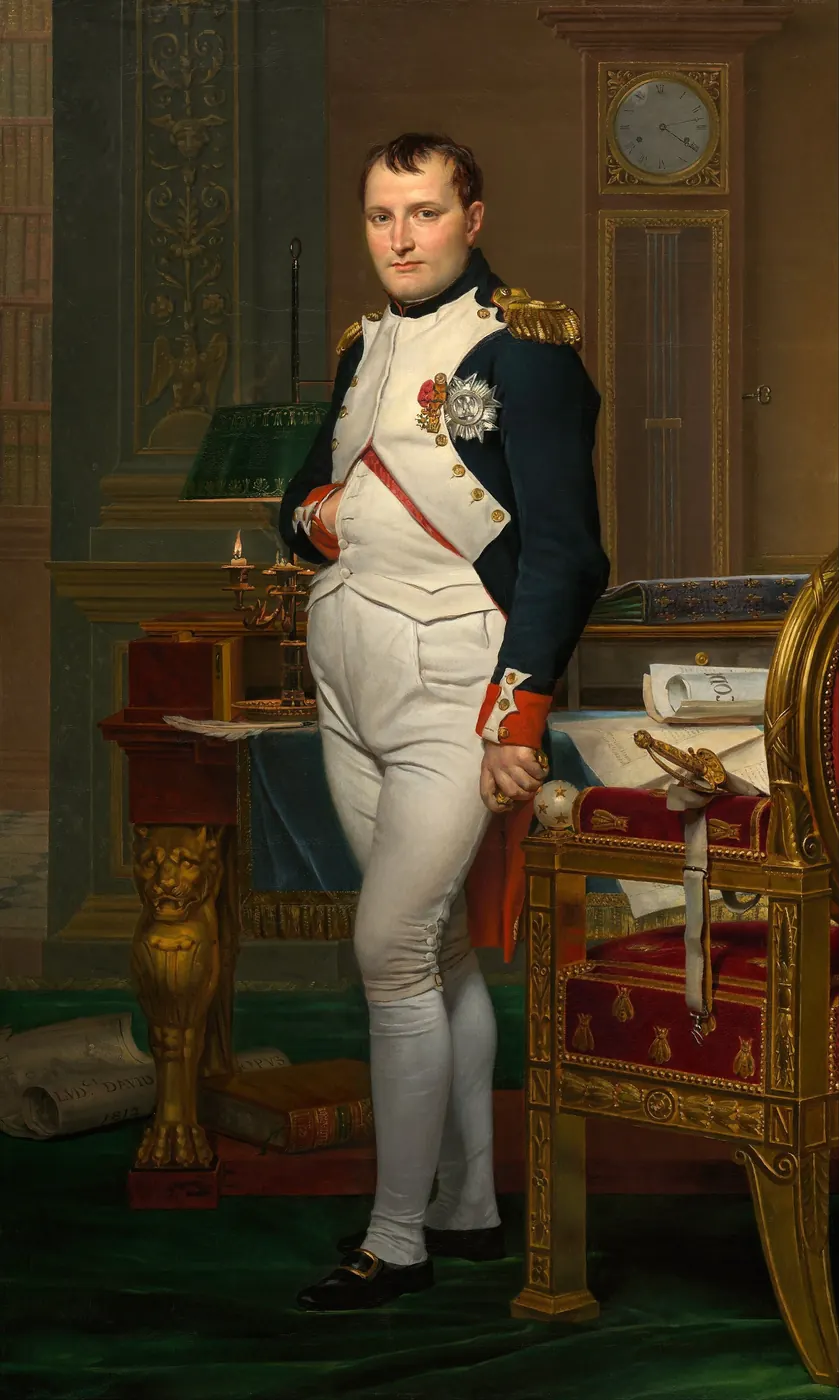
Napoleon Bonaparte
Emperor of the French
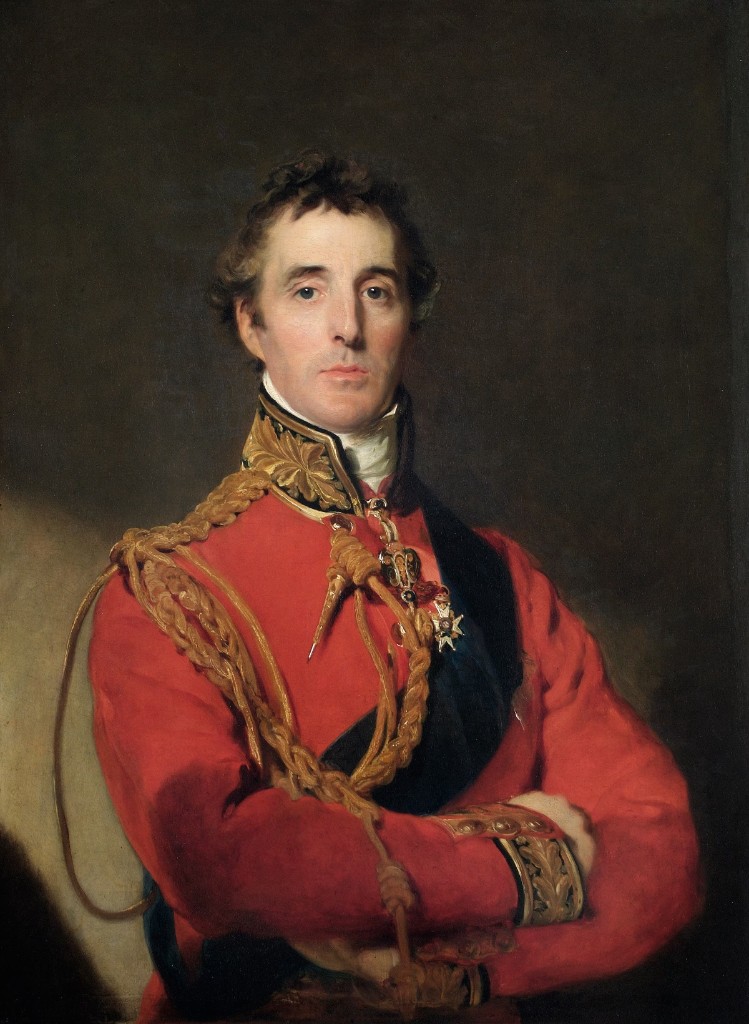
Arthur Wellesley, 1st Duke of Wellington
British general, victor of Waterloo, Prime Minister
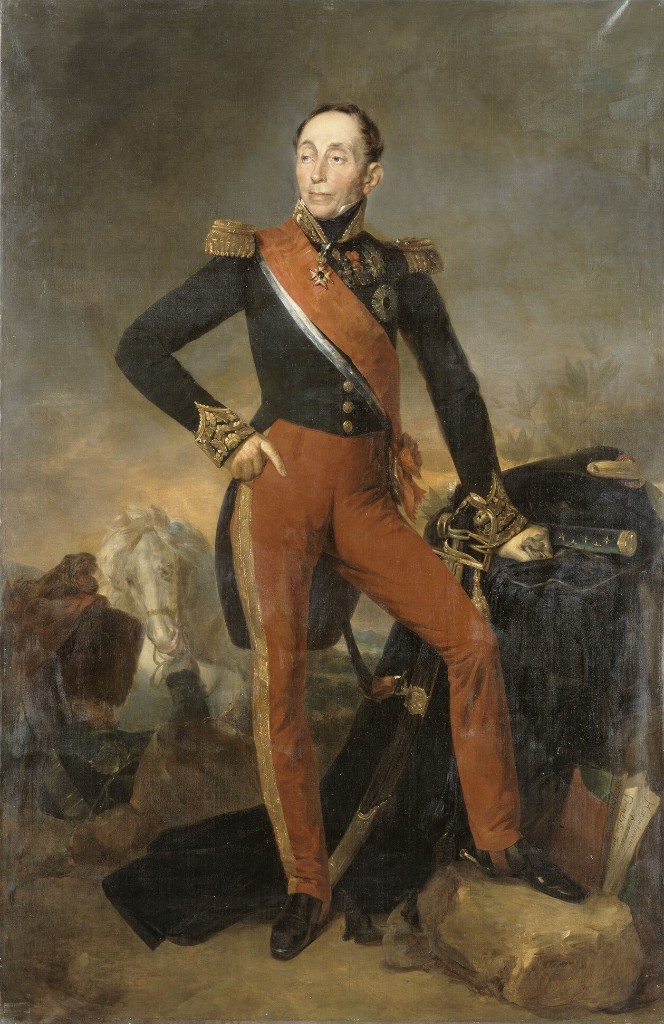
Emmanuel de Grouchy
Marshal of the Empire, Count of Grouchy
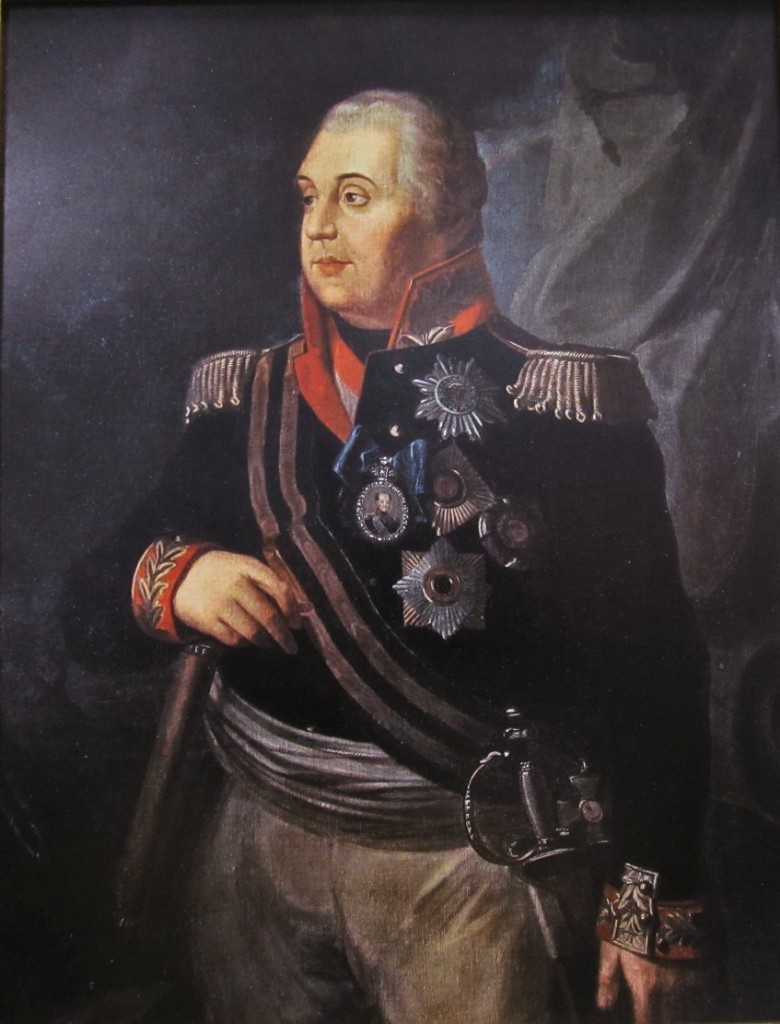
Mikhail Illarionovich Golenishchev-Kutuzov
Russian field marshal (Generalfeldmarschall), commander-in-chief in 1812
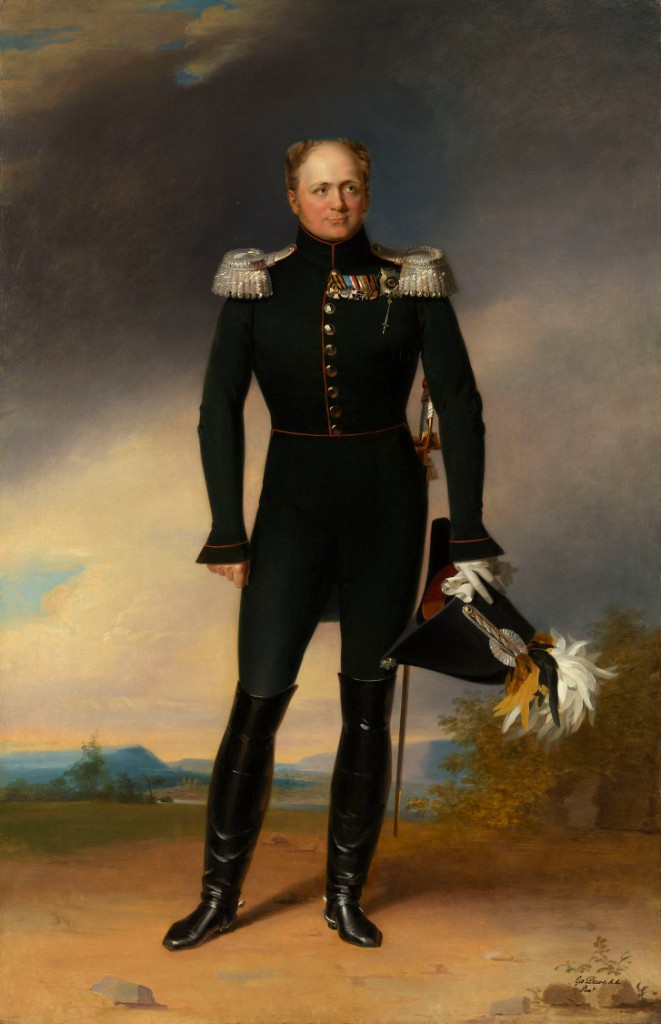
Alexander I Pavlovich, Emperor of all Russia
Emperor of all Russia (1801–1825)
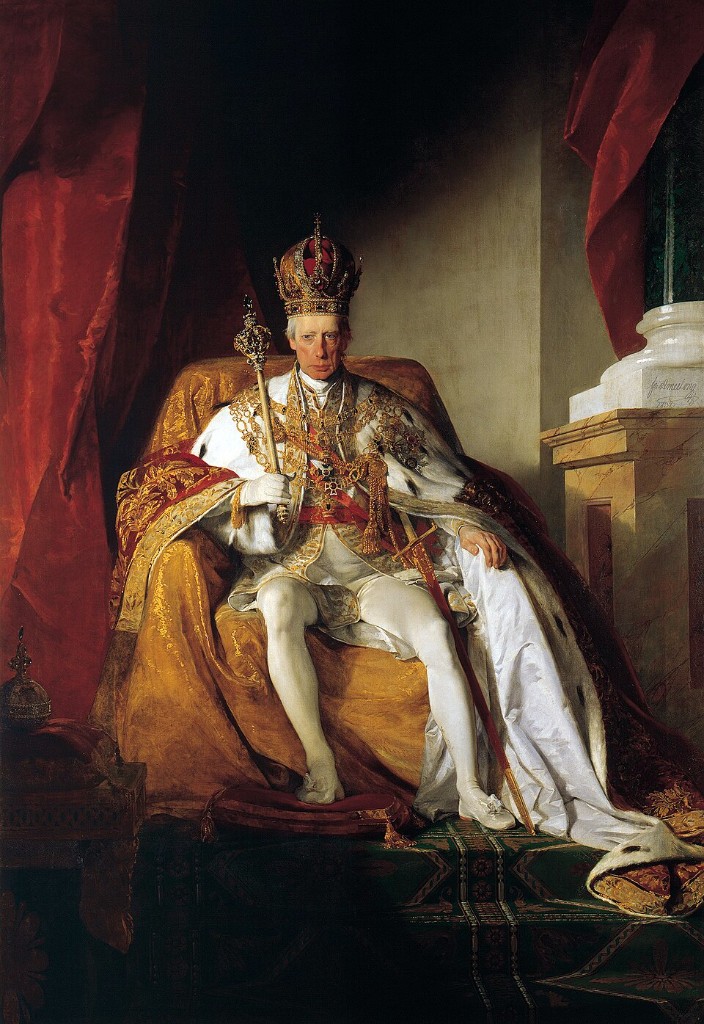
Francis II / Francis I, Emperor of Austria
Last Emperor of the Holy Roman Empire (1792–1806), Emperor of Austria (1804–1835)
Go further
Recommended books to dig deeper (affiliate links)

Napoleon the Great
Andrew Roberts · 2014
A monumental biography drawing on Napoleon’s 33,000 surviving letters, admiring but rigorous.
See on Amazon
Napoléon ou le mythe du sauveur
Jean Tulard · 1977
The book that reshaped how the man is read: how France gave itself a saviour, and what it cost.
See on Amazon
Nouvelle histoire du Premier Empire
Thierry Lentz · 2002-2010
Four reference volumes on institutions, diplomacy and collapse: the scholarly synthesis of the subject.
See on AmazonAs an Amazon Associate, this site earns from qualifying purchases.
Support the encyclopedia
Napoleon Empire is an independent project. Your contribution helps grow the content and keep the site running.
DonateSecure payment on the platform you choose.