Thirteen days after Jena, Napoleon entered Berlin through the Brandenburg Gate. He carried off its quadriga and Frederick II's sword — and signed there the decree closing Europe to England.
Historical context
Prussia was crushed in a single day, 14 October 1806, at Jena and Auerstedt. On 27 October Napoleon entered Berlin through the Brandenburg Gate at the head of the Guard, before a silent population. The army of Frederick the Great, reputed the best in Europe, had ceased to exist in three weeks.
The gestures that followed were calculated to humiliate. The quadriga of the Brandenburg Gate was taken down and shipped to Paris; it was never installed there and came back in 1814. At Potsdam he had Frederick II's tomb opened, stood before the coffin, and sent to the Invalides the great king's sword, sash and flags. Prussia's relics were taken before its provinces.
On 21 November 1806 he signed the Berlin decree. Unable to defeat the British navy, he decreed the blockade of the British Isles: all trade, all correspondence, all English goods were forbidden on the continent. It was the economic turning point of the reign — and the cause of nearly every war that followed, from Portugal to Russia.
The occupation, the war contributions and the dismemberment of 1807 produced the opposite of the intended effect. Fichte delivered his Addresses to the German Nation in Berlin in 1807-1808; the University of Berlin was founded in 1810 by Humboldt; Stein and Hardenberg reformed the state, Scharnhorst the army. The humiliated capital was manufacturing the revenge of 1813.
Go further
Recommended books to dig deeper (affiliate links)

Napoleon the Great
Andrew Roberts · 2014
A monumental biography drawing on Napoleon’s 33,000 surviving letters, admiring but rigorous.
See on Amazon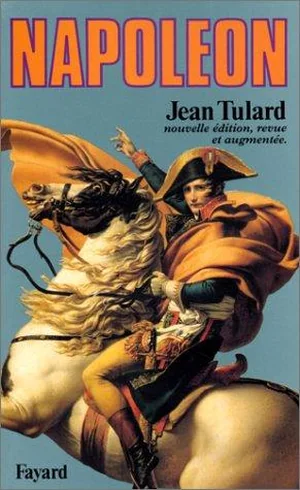
Napoléon ou le mythe du sauveur
Jean Tulard · 1977
The book that reshaped how the man is read: how France gave itself a saviour, and what it cost.
See on Amazon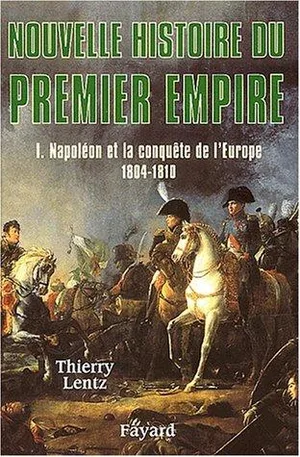
Nouvelle histoire du Premier Empire
Thierry Lentz · 2002-2010
Four reference volumes on institutions, diplomacy and collapse: the scholarly synthesis of the subject.
See on AmazonAs an Amazon Associate, this site earns from qualifying purchases.
Support the encyclopedia
Napoleon Empire is an independent project. Your contribution helps grow the content and keep the site running.
DonateSecure payment on the platform you choose.