Origins and creation
From 1809 Napoleon instituted Guard tirailleur and voltigeur regiments, soon collectively called the Young Guard. The context was permanent war requiring more elite battalions without waiting for every man to have ten years’ service.
The Young Guard was not a ‘bad’ Guard: it still recruited on merit and stature, but its criteria were relaxed relative to the Old Guard. It became the pool where the Empire rapidly forged units of high moral value.
Between 1813 and 1814, under pressure of defeats and reconstitution needs, the number of Young Guard regiments exploded. That expansion explains the very high overall strengths sometimes attributed to ‘the Guard’ in the final years.
Organisation and strength
Tirailleur-grenadiers, tirailleur-chasseurs, voltigeur-grenadiers, voltigeur-chasseurs: nomenclature varied by decree, but the principle remained — numerous battalions, organised in regiments, framed by officers often drawn from the Old or Middle Guard.
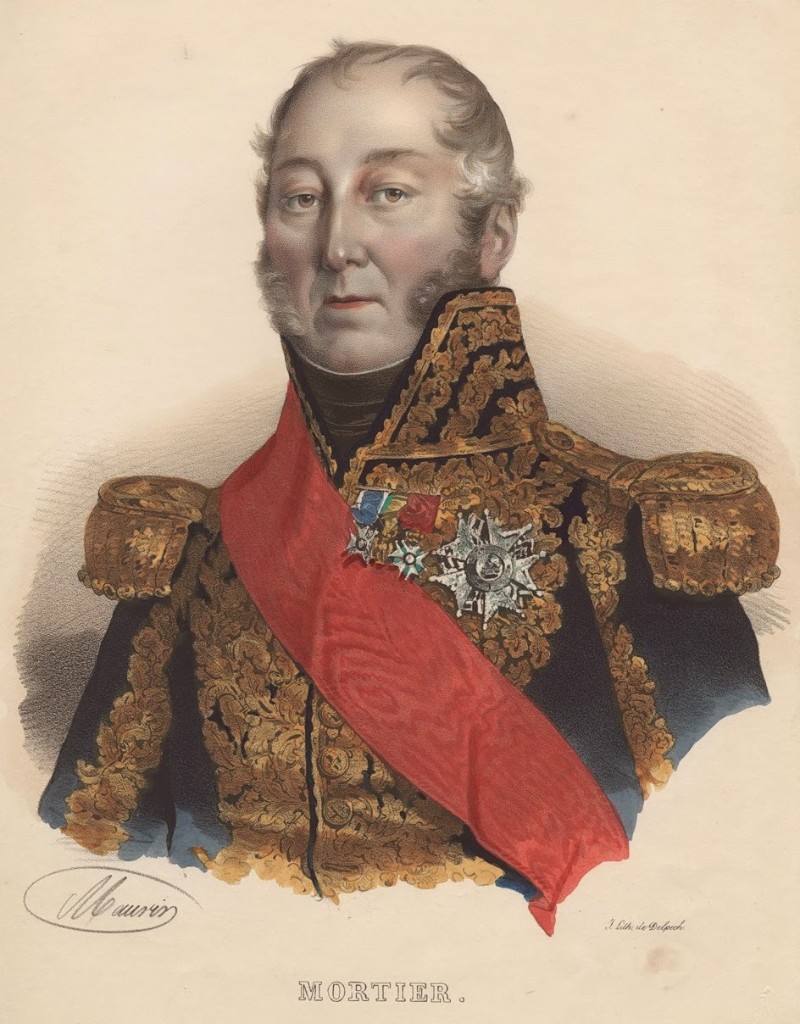
Generals such as Duhesme, Barrois or Mortier appear in operational command of Young Guard divisions. Strengths, first limited in 1809-1811, became considerable in 1813: several tens of thousands of men according to situation reports.
In the hierarchy the Young Guard was clearly placed below the Old and Middle Guard for prestige, yet it bore a disproportionate share of the fighting in the last campaigns.
Uniform, arms and recruitment
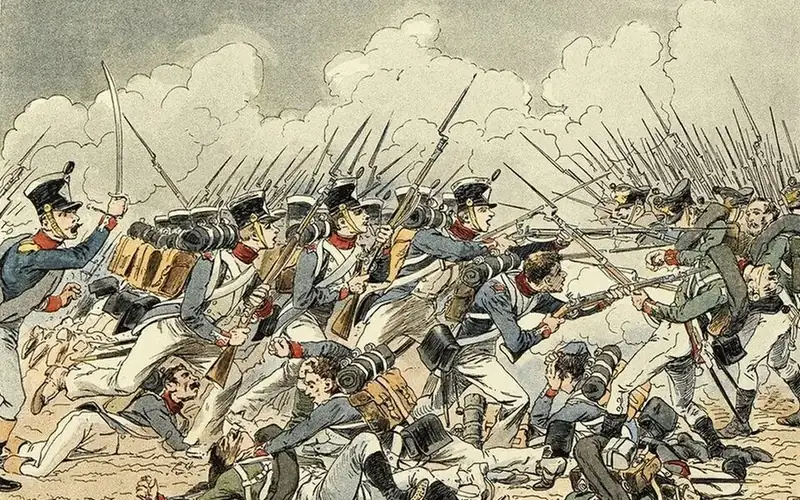
Young Guard uniforms took up Guard codes while distinguishing themselves by the shako, distinctive colours and simplifications linked to mass production. Arms remained the infantry musket; voltigeurs also cultivated skirmisher skills.
Recruitment addressed promising young soldiers, often from recent classes, selected in depots and line regiments. Entry into the Young Guard remained an honour, even if the grognards sometimes looked down on it.
Training, accelerated in 1813-1814, could not equal that of the old regiments. Cohesion rested more on cadre and élan than on accumulated individual experience.
Deeds of arms
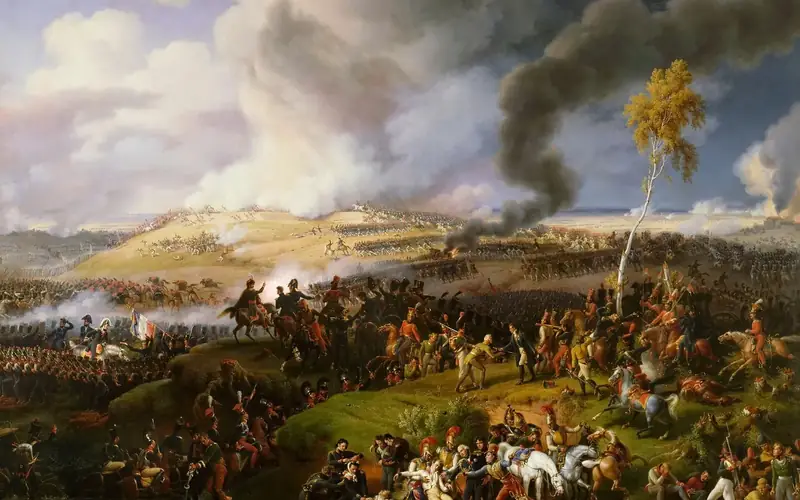
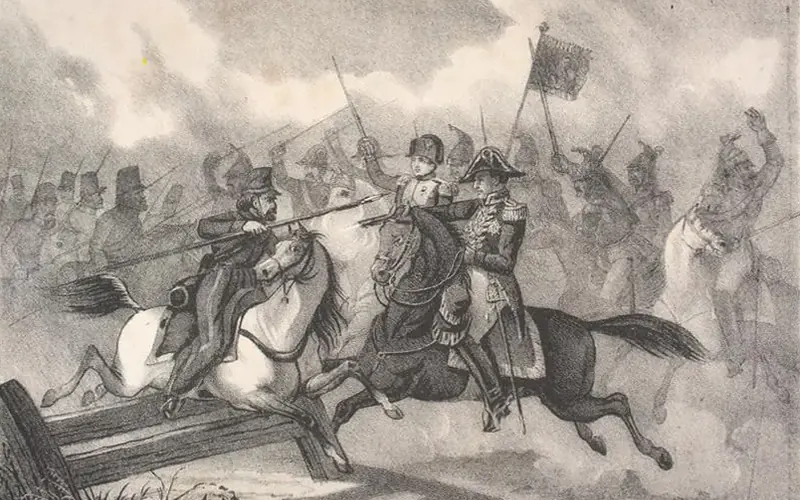
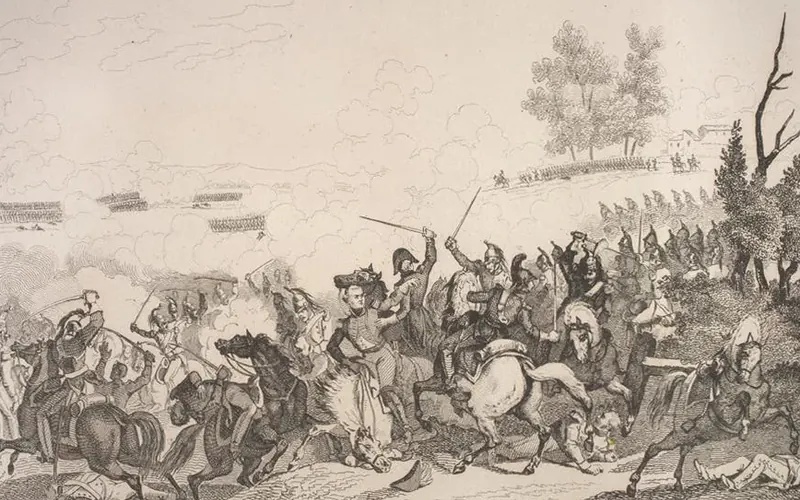
From 1809-1812 Young Guard elements appear in the Austrian and Russian campaigns. But it is chiefly from 1813 — Lützen, Bautzen, Dresden, Leipzig — that these regiments became Napoleon’s daily shock infantry.
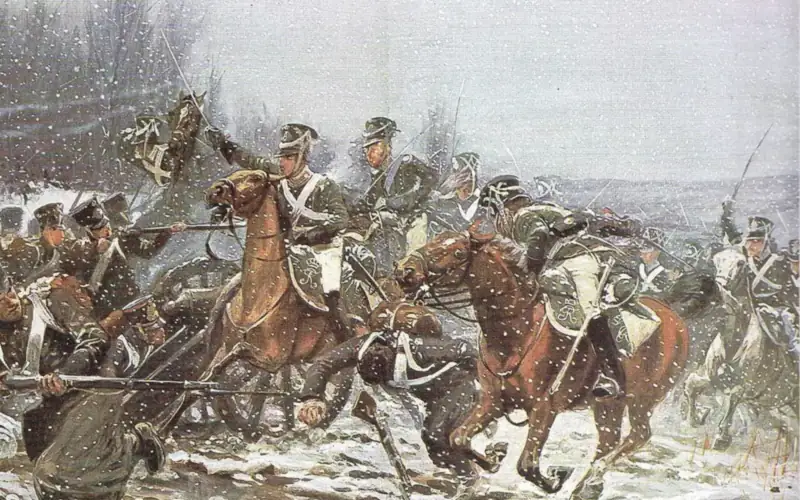
In 1814, on French soil, the Young Guard chained forced marches and defensive fights. Bulletins and memoirs stress its combativeness despite fatigue and melting strengths.
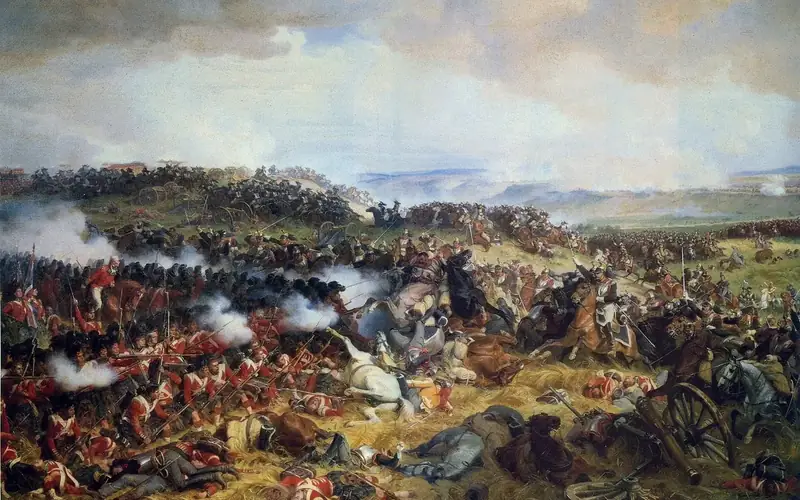
At Waterloo Duhesme’s Young Guard division distinguished itself especially in the fighting at Plancenoit against the Prussians. While the Middle Guard advanced on the British centre, the Young Guard tried to contain Blücher’s arrival on the French right flank.
The battle’s overall failure should not mask that role: without the Young Guard at Plancenoit, collapse might have come still faster.
Legacy and memory
Long eclipsed by the Old Guard myth, the Young Guard has regained its place in contemporary historiography as a key to understanding the years 1813-1815.
It embodies the system’s final contradiction: an elite widened until it became almost an army within the army, still capable of high deeds, unable alone to offset the Empire’s strategic exhaustion.