Creation and name
The name "voltigeur" evokes vaulting — moving swiftly from point to point. One tradition holds that they were meant to ride pillion behind a cavalryman to speed a move; in practice, their light-skirmisher role mainly defined the unit.
Under the Consulate, light elite companies appeared in battalion organisation; the Empire systematised their presence in line and light infantry regiments. They complemented grenadiers (or carabiniers in the light arm) as the second elite company.
They were thus not an autonomous corps in the sense of a separate regiment, but each battalion's organic elite — an organisational detail that deeply changed how fighting was done.
Recruitment and criteria
Men of smaller, more agile stature than grenadiers — prized for height and strength — were often sought. Sources and regulations stress aptitude for fire and mobility more than parade.
Prestige remained real: joining the voltigeurs distinguished the conscript or already-trained soldier. Uniform and elite insignia (distinctive epaulettes and ornaments by period) marked the difference.
As with all infantry elites, combat and disease losses forced constant replacement; average experience thus varied sharply by year and theatre.
Armament and equipment
The Charleville musket (model 1777 and variants) remained the basic weapon, with bayonet. Some voltigeurs might receive carefully finished arms according to stocks, without implying radically different armament from the line.
The short sabre frequently equipped elite companies. Pouch, pack and shako completed the kit; elite distinctions showed mainly in ornaments and battalion status.
Training favoured marksmanship, swarm movement and rapid recall to close order — for the voltigeur had to disperse then reform under fire.
Tactical role
Ahead of the battalions, voltigeurs formed the first fire screen. They harassed enemy lines, targeted officers and gunners when chance offered, and masked the columns' advance.
When an obstacle had to be carried — hedge, building, wood edge — their small-unit fighting skill was precious. Facing cavalry, they fell back on the battalion to form square.
Effectiveness depended on ground and discipline: a screen too far out could be swept away; too close, it hindered the line's fire. Good company officers judged that distance by eye.
On the battlefields
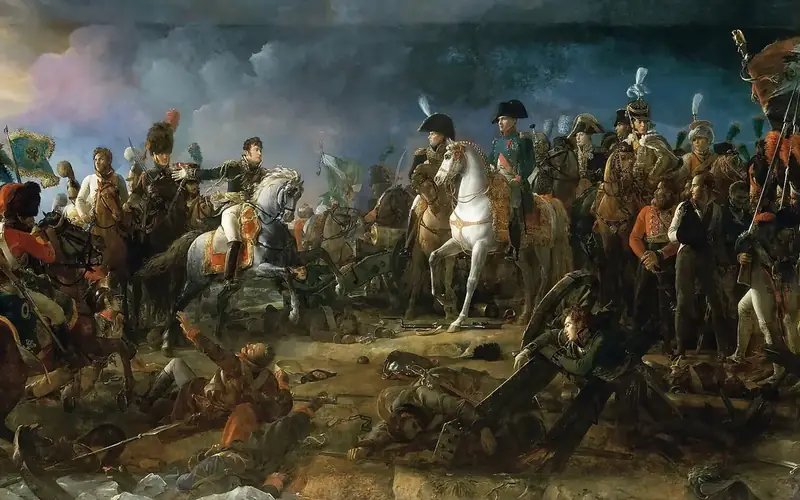
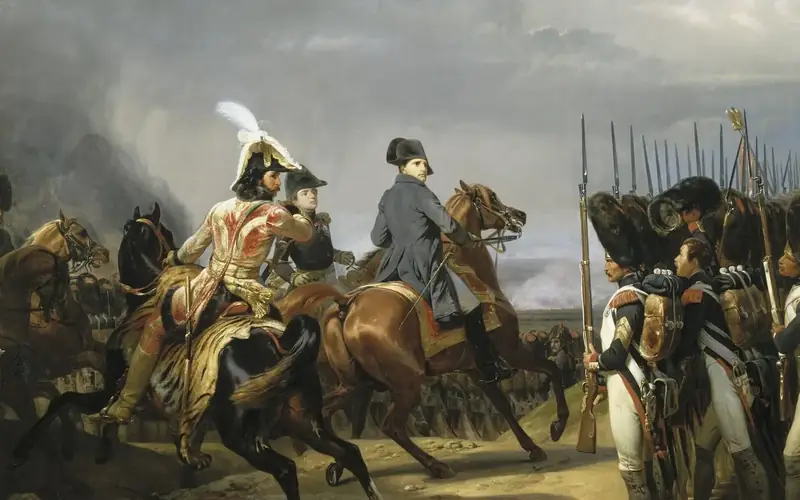
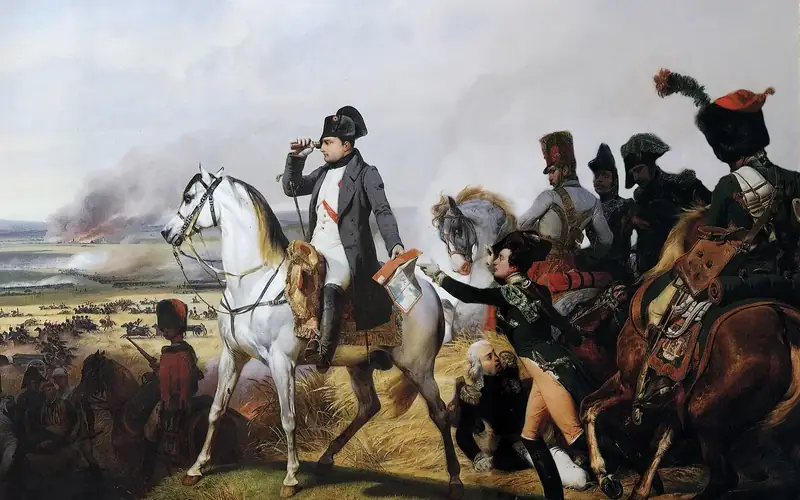
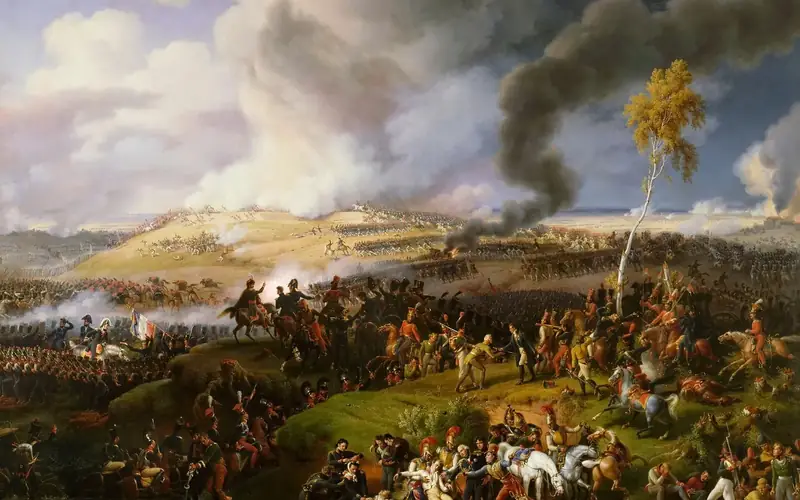
At Austerlitz, Jena, Eylau, Wagram or Borodino, voltigeur companies often opened the local fight before the mass arrived. Soldiers' accounts frequently mention these "small men" in the vanguard.
In Spain, wooded ground and village fighting multiplied employment. In 1812-1814, wear on elite cadres told: voltigeurs remained present, but average experience fell with successive levies.
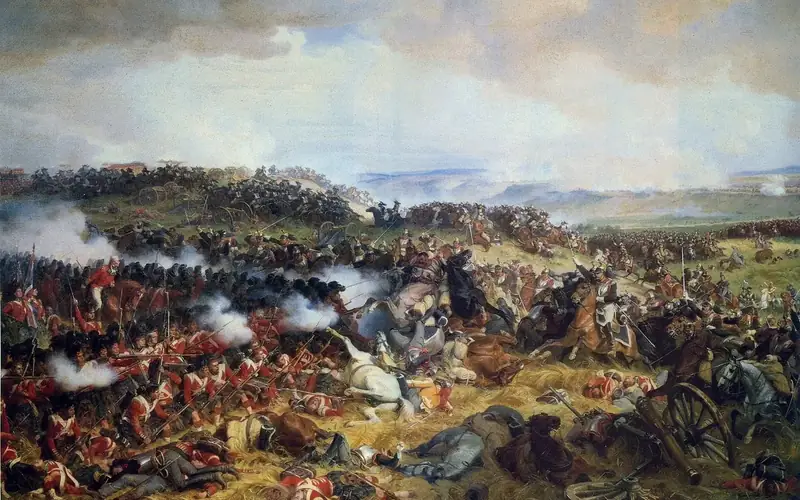
At Waterloo they took part in the day's infantry engagements; their role sat within the broader one of line and light battalions.
Legacy
Voltigeurs symbolise infantry's tactical modernisation: open order was no longer the preserve of irregulars, but an organic regimental function. That idea crossed the century.
In Napoleonic memory they remain the battalion's "eyes" and "fingers" — discreet in battle paintings, essential in the detail of combat.