Origins and creation
The foot grenadiers of the Guard descended directly from the Consular Guard grenadiers. When the regime shifted to Empire on 18 May 1804, these elite companies became the 1st Foot Grenadier Regiment of the Imperial Guard. Their reputation already preceded the great battles of 1805: men chosen for stature, service and solidity under fire.
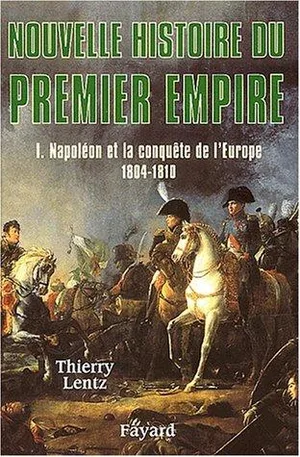
A second regiment was created later (1806-1811 depending on reorganisations) to absorb Old Guard expansion without diluting the first too quickly. Together the 1st and 2nd regiments embodied the most familiar image of the Napoleonic elite soldier: bearskin, blue coat with white lapels, massive silhouette.
Their place in the order of battle was not that of a permanent vanguard. Napoleon kept them in reserve, visible, feared, available for the moment when the line had given all it could.
Organisation and strength
Each foot grenadier regiment was organised in battalions, themselves divided into companies. Theoretical strengths oscillated by year; in practice successive campaigns thinned ranks faster than depots could refill them. Sources give orders of magnitude of one to two thousand men per regiment in normal periods, with notable variations.
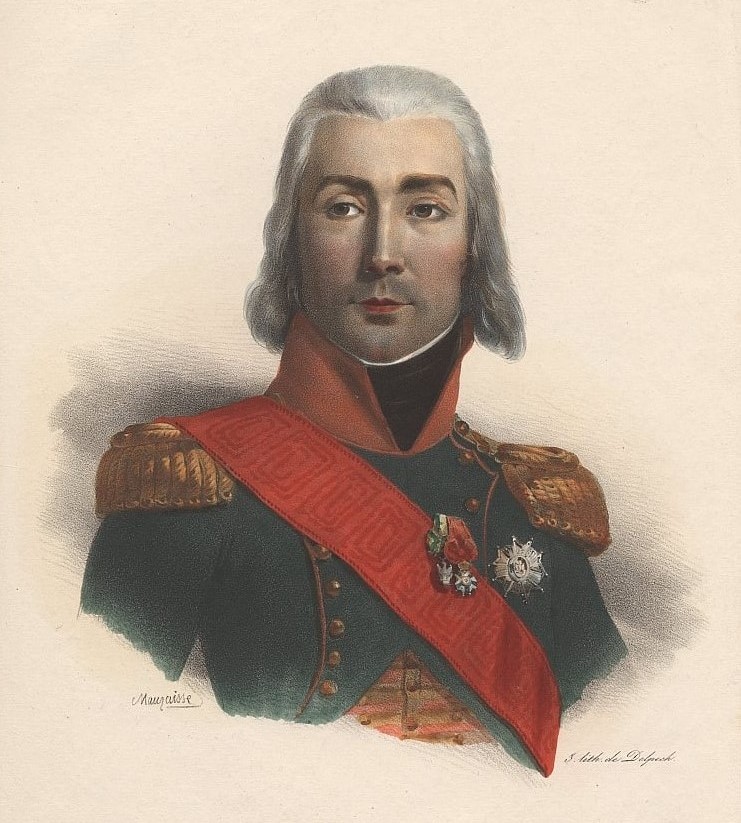
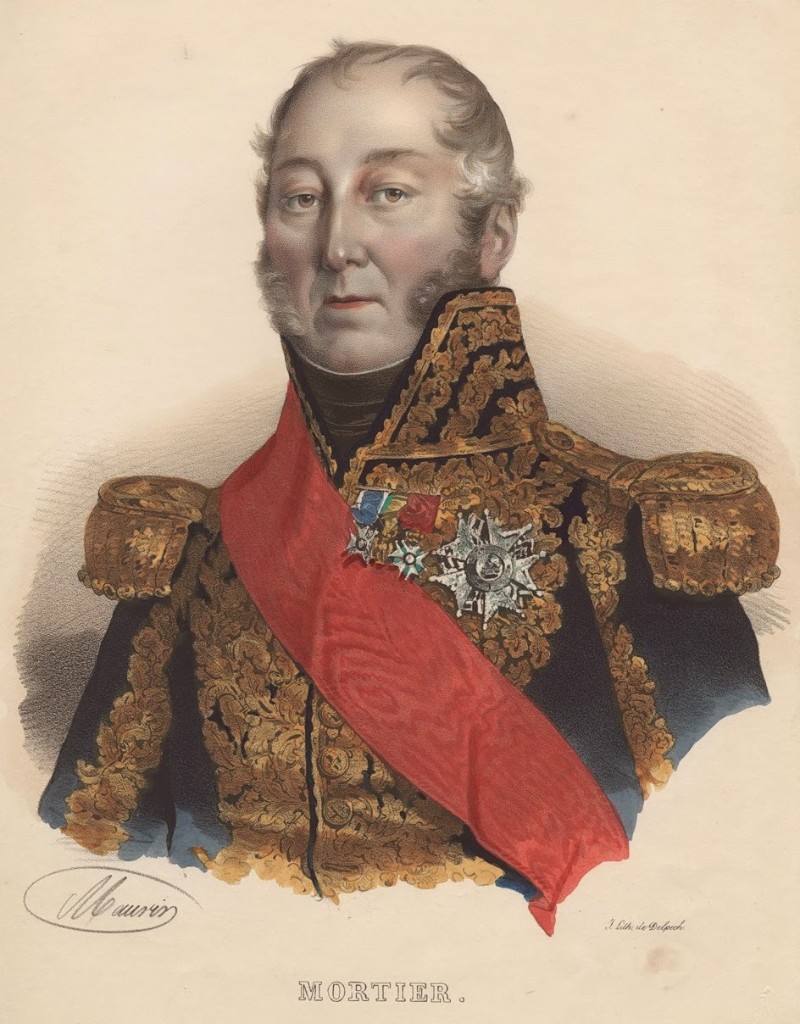
General Curial, among other Guard general officers, often appears in command of Old Guard infantry. Marshal Mortier repeatedly commanded formations encompassing these regiments. Bessières, colonel-general of Guard cavalry, was not their organic chief, but his proximity to the Emperor conditioned overall use of the reserve.
The Old / Middle / Young Guard distinction clearly placed the foot grenadiers at the summit of the military social hierarchy. The more recent fusilier-grenadiers did not share the same status; Young Guard tirailleurs still less.
Uniform, arms and recruitment
Regulations required a minimum height often cited around 1.76 m (five feet six French inches, by conversion), plus substantial seniority — frequently ten years’ service and campaigns on the record. Precise details vary by text and period; historians stress the relative severity of the filter rather than a single frozen measurement.
The bearskin, immediately recognisable emblem, distinguished the Guard grenadier from the line infantryman in a shako. The main weapon remained the regulation infantry musket, completed by the briquet sabre and, for some ranks, parade equipment.
Recruitment proceeded by selection from line regiments and other Guard formations. Entry into the foot grenadiers was social as much as military promotion: pay, prestige, and sometimes advancement prospects for NCOs.
Deeds of arms
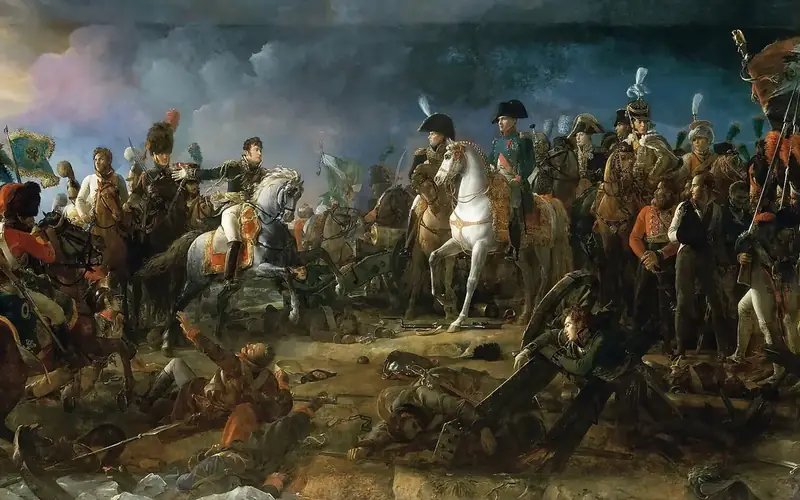
Present in reserve at Austerlitz, the foot grenadiers did not fight the bloodiest action there, but their mass contributed to psychological pressure on the enemy. At Eylau, in the cold of February 1807, Guard infantry supported a battlefield where line losses were appalling.
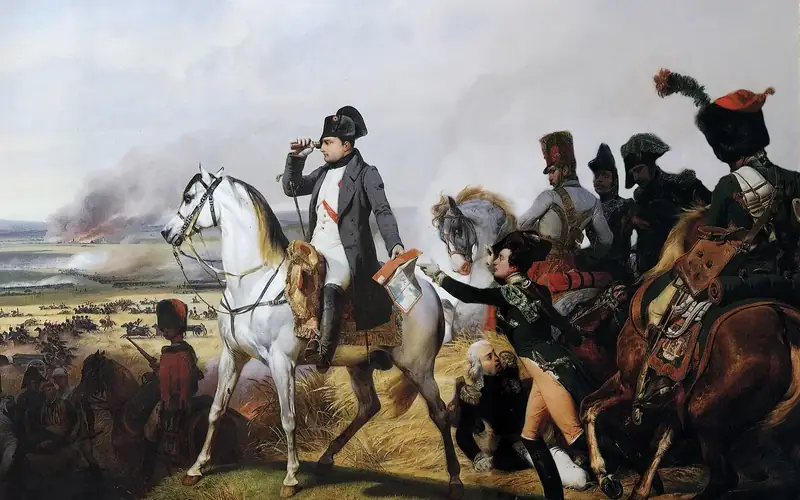
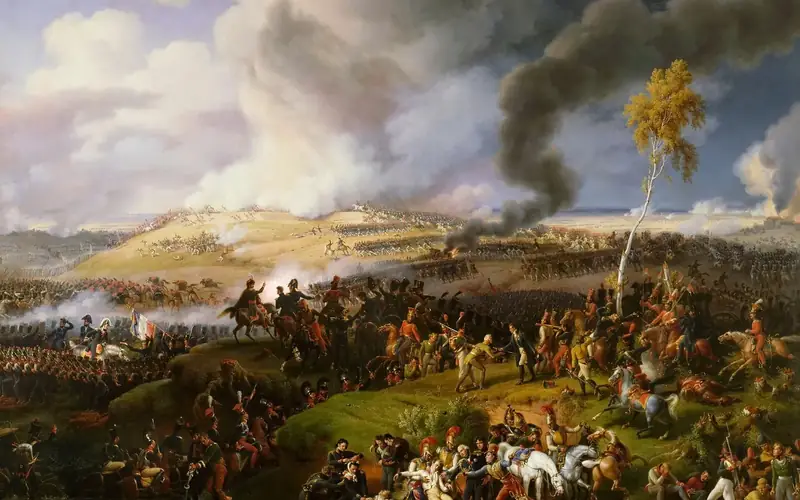
At Aspern-Essling (May 1809) then Wagram, they took part in defence and the recovery of initiative after the Danube setbacks. At Borodino Napoleon still held them back, to the frustration of some generals who demanded the reserve be committed to finish the Russians.
During the Russian retreat and the 1813-1814 campaigns the foot grenadiers served as a moral pivot. Strengths melted; individual quality remained, but available mass shrank.
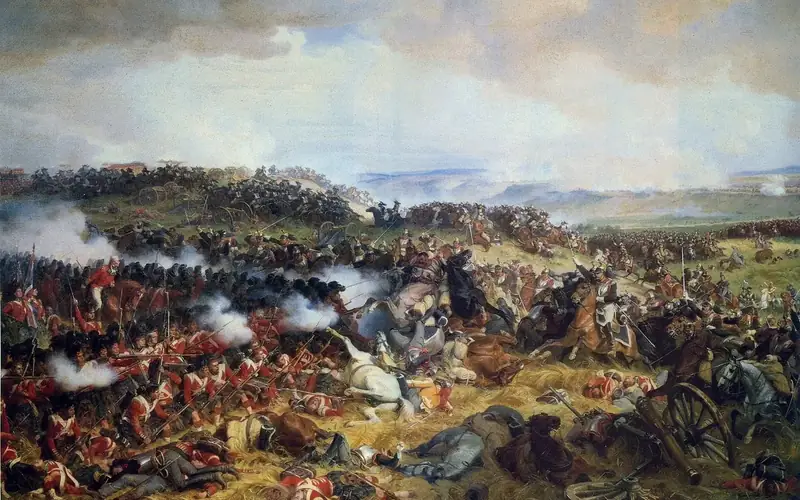
At Waterloo on 18 June 1815 it was not mainly the Old Guard grenadiers who led the final assault on the Allied centre — that assault fell chiefly to the Middle Guard — but the foot grenadiers formed the ultimate square of cohesion in the withdrawal. Their late resistance fed the legend of the ‘immortals’.
Legacy and memory
In the European imagination the bearskinned Guard grenadier embodies Napoleon more surely than any other uniform. British, German and French engravings reproduced him endlessly after 1815.
Grognard memoirs — Coignet and others — fixed the tone: grumbling familiarity with the Emperor, corps pride, nostalgia for the campaigns. This literary memory completes the military record and explains why, two centuries later, these regiments remain the most immediate symbol of the Old Guard.