Origins and creation
Heirs to the guides and horse chasseurs of the Consular Guard, the horse chasseurs of the Imperial Guard held from 1804 a unique place: not only a combat regiment but the sovereign’s personal escort. Where the horse grenadiers embodied heavy mass, the chasseurs embodied speed and daily presence beside Napoleon.
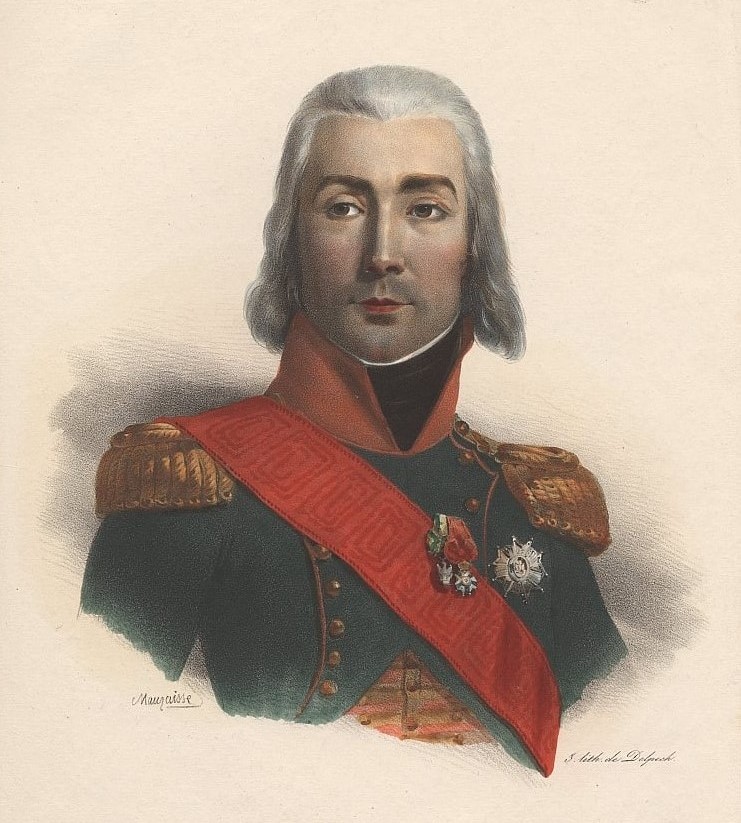
On 19 May 1804 Bessières became colonel-general of the horse chasseurs and horse grenadiers of the Guard. In regimental practice chiefs such as Lefebvre-Desnouettes lastingly marked the unit with panache and initiative — sometimes bold to the point of recklessness.
The regiment grew with the Empire but remained a selected formation. To be a Guard horse chasseur was to live closest to the imperial headquarters.
Organisation and strength
Organised in squadrons, the regiment fielded according to the year a strength on the order of a thousand sabres, sometimes more after reinforcements, often less after campaigns. The Mamelukes of the Guard were administratively linked or associated with this elite light-cavalry ensemble.
Lefebvre-Desnouettes, colonel then general, embodied the corps’ ‘panache’ command. Eugène de Beauharnais also held functions with Guard cavalry in certain phases. Bessières remained the institutional guarantor beside the Emperor.
In the Old / Middle / Young Guard distinction the horse chasseurs belonged to the Old Guard. Their prestige matched that of the horse grenadiers, with a lighter mission closer to the sovereign.
Uniform, arms and recruitment
The green uniform — dolman or coat according to regulatory changes — immediately distinguished the horse chasseur. Aiguillette, collar, fur-trimmed pelisse for full dress: careful detail signalled status. The curved light-cavalry sabre and pistols completed the arms.
Recruitment favoured already trained troopers of good conduct, able to serve both as road escorts and shock chargers. Proximity to Napoleon imposed particular discipline: a serious fault before the Emperor was no ordinary fault.
Horses, lighter than those of the horse grenadiers, still had to sustain long stages. The 1812-1813 campaigns showed how far the loss of mounts weakened even the elite.
Deeds of arms
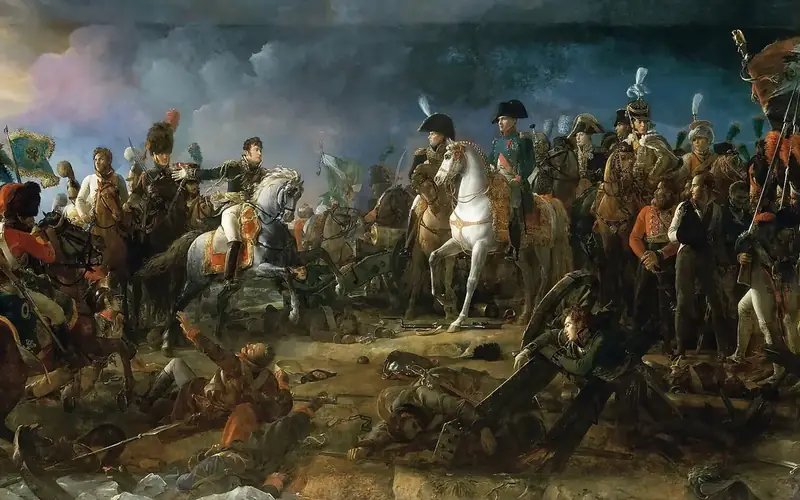
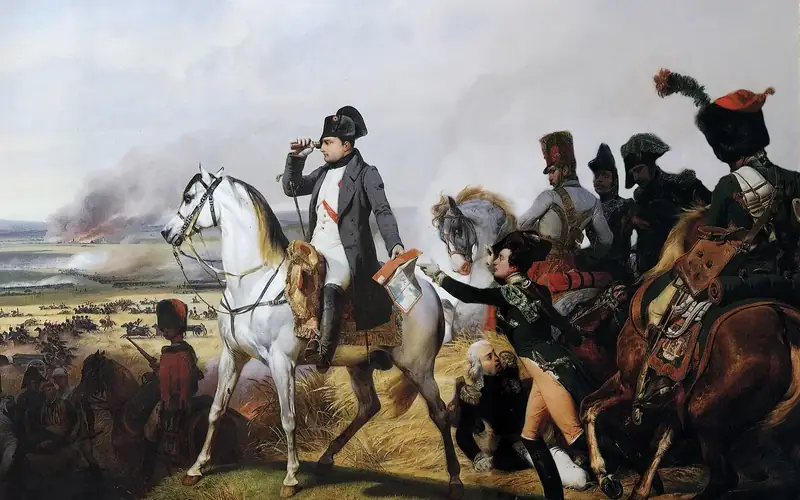
At Austerlitz the horse chasseurs took part in the Guard cavalry reserve action. Their escort role did not exempt them from combat: on the contrary, they were often the first sabres available around the Emperor.
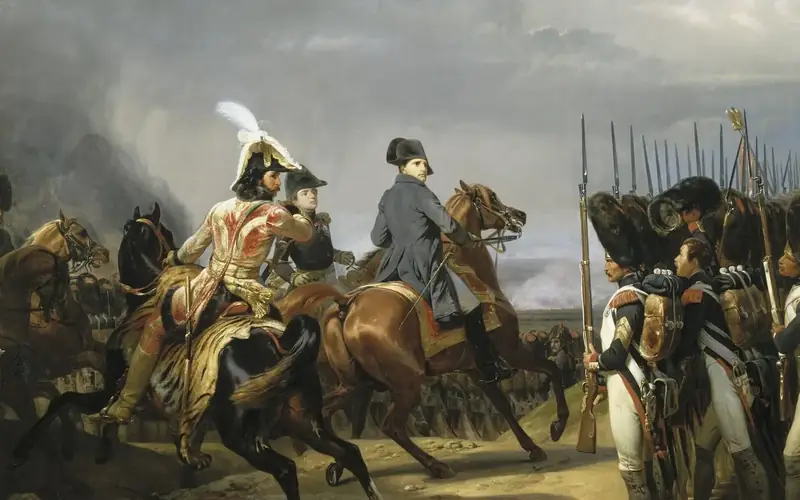
They fought at Jena, Eylau, Friedland, then in the Peninsula and Austria. Lefebvre-Desnouettes distinguished himself — and was sometimes captured or wounded — in affairs where boldness outweighed prudence. At Wagram and during the 1809 campaign Guard cavalry remained a consolidation tool.
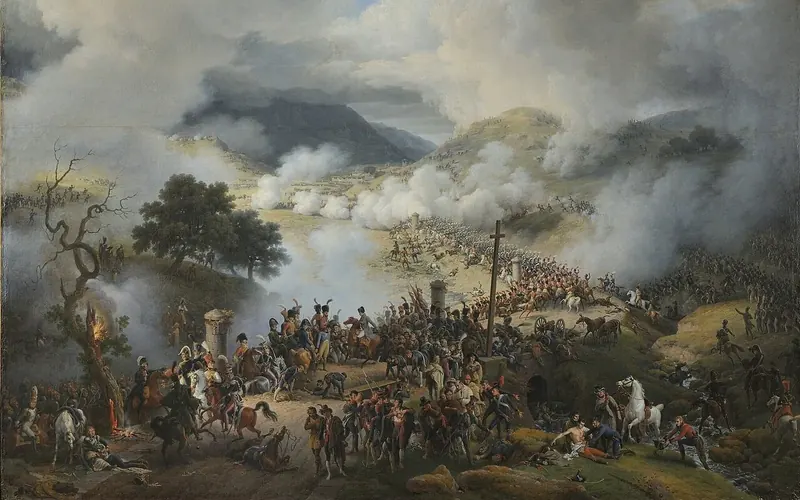
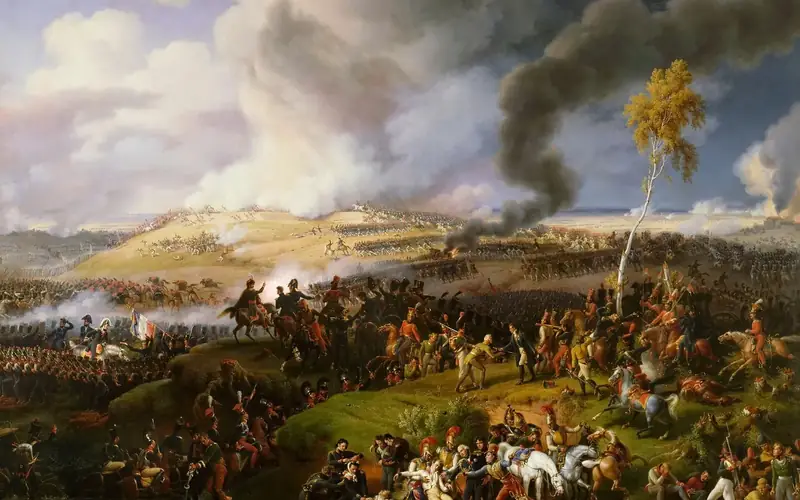
In Russia, at Borodino and during the retreat, the horse chasseurs shared the fate of all cavalry: dead horses, men on foot, escort missions ever harder. In 1813-1814 they continued to cover Napoleon amid reverses.
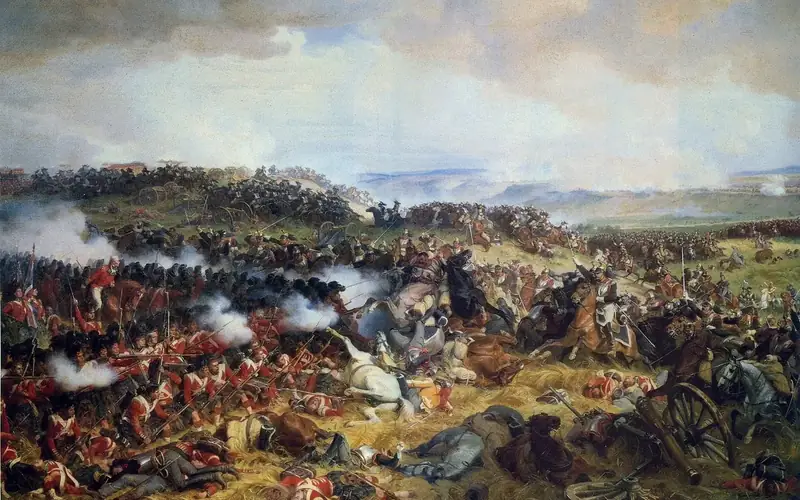
At Waterloo Lefebvre-Desnouettes was again engaged in the French cavalry charges. The collective failure of those assaults against British and Allied squares closed the cycle of a unit long thought invincible by proximity to the Emperor’s fortune.
Legacy and memory
In iconography the green Guard horse chasseur often appears a few metres from Napoleon: the very image of mobile power. Officers’ memoirs stress that intimacy of escort service.
Their legacy is twofold: tactical (elite light cavalry) and political (bodyguard of a soldier-sovereign). Dissolved in 1815, the regiment survives in the legend of the Hundred Days and in uniform collections.