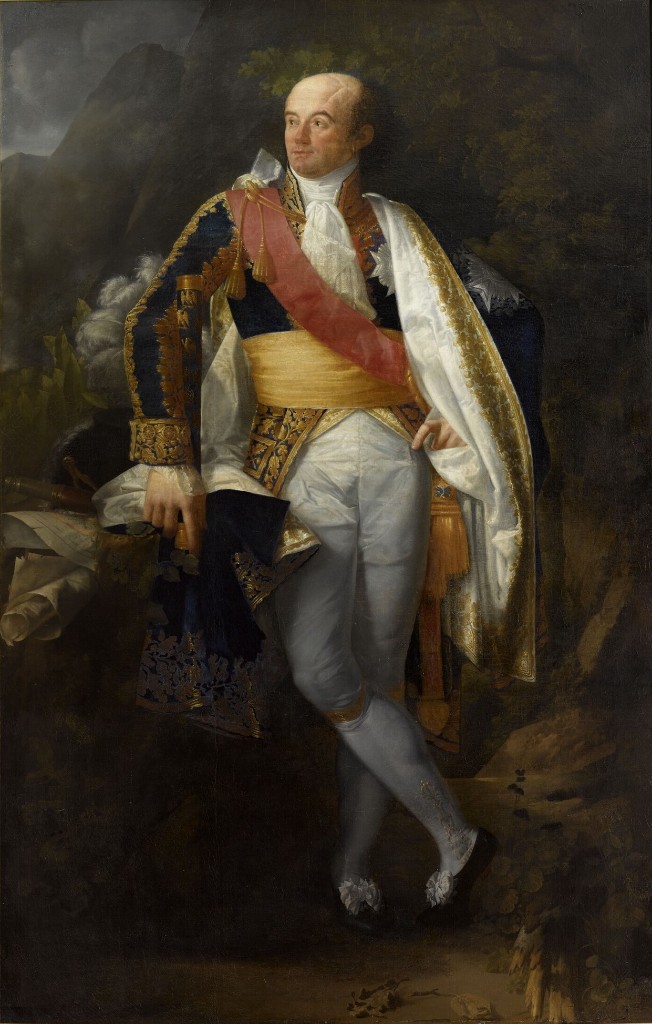
Dominique-Catherine de Pérignon (31 October 1754-25 December 1818), gentleman of landed nobility in Gascony, embodies the measured conversion of an Ancien Régime officer into a republican general then Marshal of the Empire with a singular profile: glory won chiefly in the eastern Pyrenees, not on the plains of Italy or Germany. He entered the king's troops young, welcomed the Revolution, sat briefly in the Legislative Assembly, then returned to uniform to command in the Army of the Eastern Pyrenees beside figures such as Dugommier and Augereau: victory at Boulou, recapture of Collioure, siege of Bellegarde, then in November 1794 the Battle of the Black Mountain where Dugommier's death thrust him to army command. The capture of Figueres and the bluff that secured surrender of Sant Ferran fortress, then the long Siege of Roses until 1795, cemented his reputation as a fine border-war tactician. Diplomatic and political career took him ambassador to Spain, to the Council of Five Hundred, then — after a smuggling affair and royalist spy scandal — to the Army of Italy, where he was wounded and captured at Novi (1799). Senator under the Consulate, he was raised Marshal of the Empire on 19 May 1804 among the first names on the list; Count then Duke of Grand-Fayt, governor-general of Parma, a figure close to the Murat court at Naples, he rallied to the Restoration in 1814, was struck from the marshal list during the Hundred Days, voted Michel Ney's death in 1815 and ended Peer of France and Marquis de Pérignon. He died in Paris on Christmas night 1818, leaving mixed posterity: a competent servant of several regimes, sometimes judged cold or opportunist, yet essential to military memory of the Pyrenean campaigns. For Empire Napoléon he recalls that a marshal could owe his baton as much to Catalonia as to Marengo.
Gascony, Petty Nobility, and Entry into the Revolution
Dominique-Catherine de Pérignon was born on 31 October 1754 at Château de Cadeillan, in the commune of Grenade-sur-Garonne, in petty sword-and-robe nobility on the edge of Languedoc and Gascony — a milieu where royal service, land management and honourable ambition combined without great court fortune.
He entered the army very young: in the grenadier corps of the Aquitaine Regiment as a common soldier, per biographical notices, then progressed toward officer ranks that taught linear discipline, garrison chores and royal manuals before 1789.
The Revolution found him open to new ideas without spectacular Jacobin posture: in 1791 he was elected noble deputy for the Haute-Garonne to the Legislative Assembly, where he sat on the Right — a nuance often lost in the image of a marshal « fully won » to the military republican camp: Pérignon began as a parliamentary moderate, then resigned to take up the sword when the First Coalition war demanded field competence.
This passage through legislation then staff of the Eastern Pyrenees forged a hybrid profile: he could read texts, assemblies and decrees like a conventionnel, yet spoke the jargon of fortresses and mountain columns — a rare asset when the Committee of Public Safety demanded generals both loyal and administrators.
In 1793 the endangered Republic gave growing responsibility to generals able to hold a peripheral theatre: the Army of the Eastern Pyrenees, long defensive against Spain, became the frame where Pérignon would build the soundest part of his personal legend, far from Parisian or Italian spotlights.
Eastern Pyrenees: Boulou, Collioure, Bellegarde, and the Black Mountain
From 1793 Pérignon served under Jacques François Dugommier, victor of Toulon, demanding reorganiser of the Army of the Eastern Pyrenees: the French victory at Boulou (1 May 1794) pushed the Spanish army south of the Pyrenees and reopened the republican offensive in Roussillon — a stage where Pérignon, leading a division, joined the drive that retook Collioure and advanced toward key Catalan border fortresses.
The following months mixed ridge fighting, sieges and infernal logistics: surrender of Fort Bellegarde (September 1794) after a long blockade weakened the Spanish line; skirmishes, fever losses and quarrels between representatives on mission and generals remind us this war was neither a romantic canvas nor a simple school-date sequence.
In November 1794 the so-called Battle of the Black Mountain (Serra Negra, Capmany sector) opened: Dugommier placed Pérignon in the first-line centre; artillery and infantry duel lasted several days. On 18 November a Spanish roundshot killed Dugommier on an observation height — brutal promotion by death: Pérignon assumed supreme command, suspended the attack, reorganised the war council at La Junquera and ordered the decisive assault of 20 November that broke coalition lines.
Fall of the Santa Maria del Roure redoubt and death of Spanish commander Conde de la Unión in a cavalry counter-charge shifted the balance; the French entered Figueres; shortly after, Pérignon by stratagem secured surrender of the colossal Sant Ferran fortress — nine thousand men and hundreds of guns — a feat less spectacular than Austerlitz for European chancelleries, yet major for the Catalan theatre.
He chained to the Siege of Roses, a key port defended by bastioned works and coastal fortifications: naval and land blockade dragged through the mud and cold of winter 1794-1795; final capitulation (February 1795) closed a phase where Pérignon showed himself legitimate heir to Dugommier's method — tenacity, engineering, siege psychology.
For Empire Napoléon this chapter fixes the core of Pérignon's military renown: not later imperial grand manoeuvres, but mastery of a mountainous maritime theatre where the least supply error cost thousands of lives.
Embassy, Troubled Affairs, and the Disaster at Novi
The Peace of Basel with Spain (1795) closed the Pyrenean war; Pérignon left the field for diplomacy: named ambassador to Madrid, he negotiated notably the Second Treaty of San Ildefonso (1796), Franco-Spanish alliance against Great Britain — a major naval and colonial stake for the Directory, where the general had to balance the court, Spanish ministries and Paris orders.
Archives and the black legend of smuggling surround his recall: compromised in fraud affairs and linked to a woman suspected of royalist espionage, he was dismissed in 1798 — an episode that tarnished his image of absolute probity without erasing prior military titles; the Directory, often corrupt itself, mixed justice and politics in these money-and-influence affairs.
Reassigned to the Army of Italy in 1799, Pérignon commanded the left wing in the second campaign against the Austro-Russians: the Battle of Novi (15 August 1799) became a French disaster; wounded in the foot, Pérignon was taken prisoner — brutal end for a future marshal, symbol of Directory reverses against Suvorov.
Austrian captivity, exchange or release by diplomatic phase, return to an already Consular France: Pérignon was not at Brumaire's heart, but he regained a place in the military elite Bonaparte wanted to stabilise between revolutionaries and servants of the new order.
Senator in 1801, he shifted toward great state notable career: honours, lands, proximity to the regime without immediate obligation to return to campaign — a path close to other generals worn by wounds and years.
For Empire Napoléon Novi remains the dark stain balancing Pyrenean laurels: reminder that even a victor of Roses could suffer tactical collapse of a poorly coordinated army on an Italian field.
1804: Marshal, Grand-Fayt, Parma, and the Naples Court
On 19 May 1804 the first Marshal of the Empire list paired legendary names — Davout, Soult, Masséna — with generals whose glory dated chiefly from Revolutionary wars: Pérignon stood there as representative of the Pyrenean borders and republican continuity tamed by the newborn Empire.
Noble titles followed: Count of the Empire, then Count then Duke of Grand-Fayt — a northern toponym tied to the 1794 battle against coalition forces, typical mark of the Napoleonic system rewarding names of revolutionary victories folded into the imperial honour book.
From September 1806 to July 1808 Pérignon served as governor-general of the Duchy of Parma: administration of a client territory, balance between local notables, imperial treasury and policing princely display — a technician of occupation more than a conqueror trumpeted in bulletins.
Transferred to the Kingdom of Naples under Joachim Murat and Caroline Bonaparte, he frequented court with the ease of a recently ennobled marshal: this Italian stay recalls the irony of a career marked by Novi then Neapolitan salons — Italy as echo of glories and defeats.
In Paris the senatorial charge remained the thread: sessions, votes on organic acts, ceremonial presidencies — Pérignon embodied the cabinet marshal as much as the campaign marshal, a figure official engraving favoured when showing stability of the Conservative Senate turned imperial.
The Luxembourg Palace, seat of the Senate, symbolises this second half of life: Parisian stone in service of a regime still celebrating generals of 1792-1795 while draping Napoleon's personal authority.
Restoration, Hundred Days, Vote on Ney, and Bourbon End
In 1814 Pérignon rallied to Louis XVIII: for a long-time senator-administrator marshal, monarchical restoration appeared as guarantee of order after campaign exhaustion — a political choice Bonapartist legend judged harshly, yet it fit notables' logic oscillating between personal fidelity to the Emperor and attachment to Bourbon « legitimacy ».
During the Hundred Days his name was struck from the marshal list: symbolic gesture of the royalist camp refusing to recognise imperial promotions during the 1815 adventure — administrative humiliation more than battlefield sanction.
On 4 December 1815 the Chamber of Peers examined Marshal Ney's case; Pérignon voted the death penalty — a decision that shocked part of military opinion and fed decades of polemic and pamphlets: broken caste solidarity, political calculation, legal conviction? Sources mix public-order considerations and class hatred between old nobility and « Revolutionary » marshals.
Raised Marquis de Pérignon and Peer of France, decorated with the Order of Saint-Louis, he ended his career in Bourbon honours: pensions, ceremonies, tribune presence — far from the Pyrenees, close to the chilly protocol of restored monarchy.
He died in Paris on 25 December 1818, Christmas night, aged sixty-four — a date inviting comment on the irony of a marshal whose passing blended with church bells rather than cannon thunder.
Memory, Historiography, and Place in Empire Napoléon
French schoolbooks long remembered marshals of great imperial battles more than architects of Pyrenean sieges: Pérignon remains a name less cited than Davout or Lannes in popular imagination, yet military monographs and First Coalition war studies restore the density of his command in Catalonia.
Anglophone historiography, notably synthetic work on the marshals, stresses Pérignon's « unknown » profile: real competence, career begun in Dugommier's shadow, Bourbon ending compromised by the vote against Ney — portrait of a statesman more than a romance hero.
For Empire Napoléon his trajectory sums a lesson: the First Empire needed both victors of Austerlitz and victors of Roses — officers able to hold thankless borders while others took star billing in Italy; the marshal's title in 1804 was also a political tool fusing Revolution and Empire.
Material memory — names on the Arc de Triomphe, Senate archives, still-visible Roses fortifications — extends the narrative beyond birth and death dates: Pérignon belongs to Franco-Spanish military geography as much as to the marshal gallery.
Finally the contrast between tactical generosity of the 1794-1795 campaigns and severity of the 1815 vote invites nuanced reading: servant of France across several regimes, never a simple transitional figure, always a conscious actor in compromises demanded by the long span of Revolutionary and Napoleonic wars.
Discover other characters
Napoleon Bonaparte
Emperor of the French
François Christophe Kellermann
Marshal of the Empire, Duke of Valmy
Jean-Mathieu-Philibert Sérurier
Marshal of the Empire, Count Sérurier
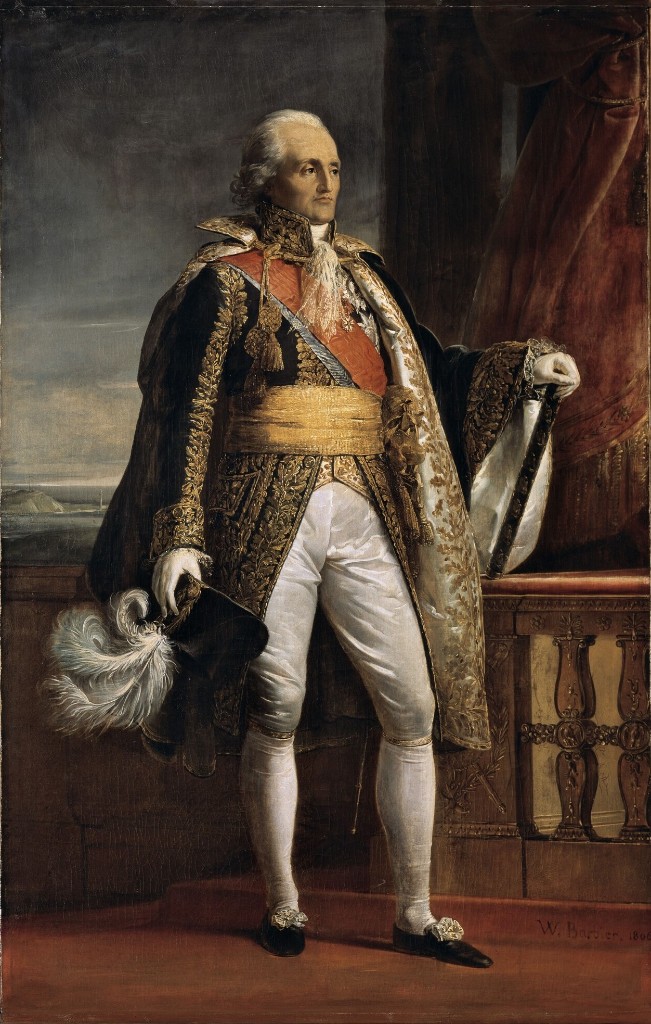
Bon-Adrien Jannot de Moncey
Marshal of the Empire, Duke of Conegliano
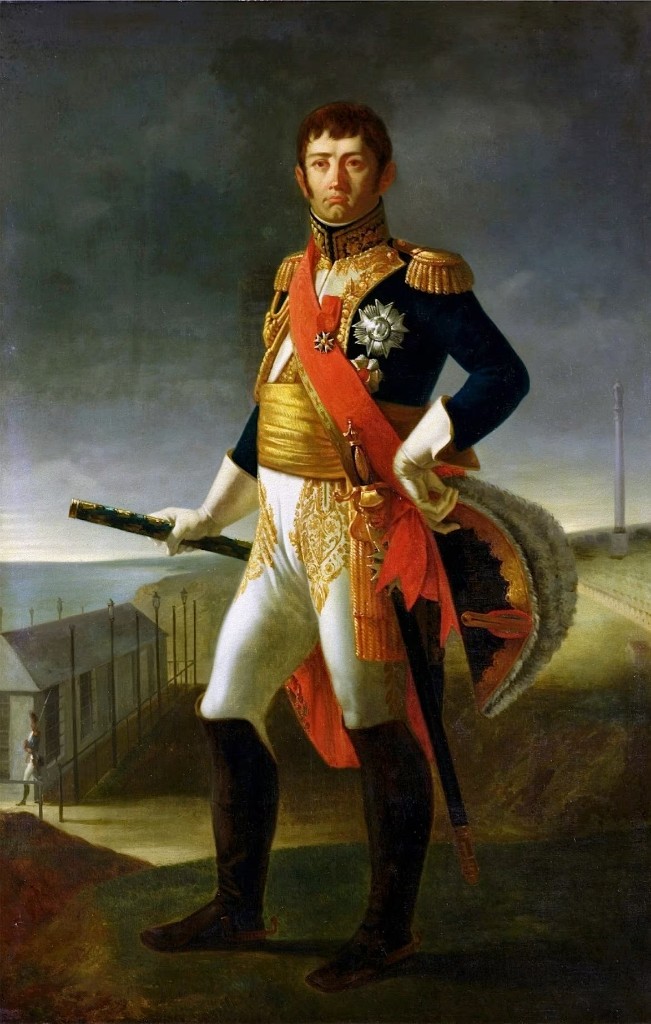
Jean-de-Dieu Soult
Marshal of the Empire, Duke of Dalmatia
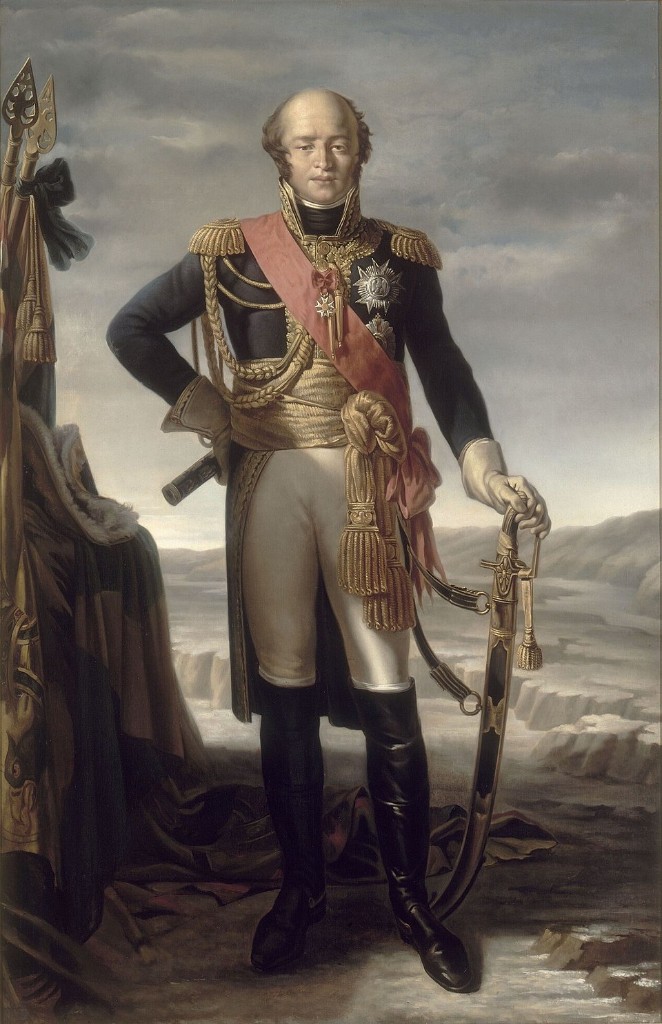
Louis-Nicolas Davout
Marshal of the Empire, Prince of Eckmühl
Go further
Recommended books to dig deeper (affiliate links)

Napoleon the Great
Andrew Roberts · 2014
A monumental biography drawing on Napoleon’s 33,000 surviving letters, admiring but rigorous.
See on Amazon
Napoléon ou le mythe du sauveur
Jean Tulard · 1977
The book that reshaped how the man is read: how France gave itself a saviour, and what it cost.
See on Amazon
Nouvelle histoire du Premier Empire
Thierry Lentz · 2002-2010
Four reference volumes on institutions, diplomacy and collapse: the scholarly synthesis of the subject.
See on AmazonAs an Amazon Associate, this site earns from qualifying purchases.
Support the encyclopedia
Napoleon Empire is an independent project. Your contribution helps grow the content and keep the site running.
DonateSecure payment on the platform you choose.