In December 1793, a twenty-four-year-old artillery captain imposed his plan before Toulon, which had been handed over to the British. Once the town was retaken he was made brigadier general: this is where everything begins.
Historical context
In August 1793 Toulon's federalist notables handed the Mediterranean's chief naval base to Admiral Hood. With the town, the coalition received some thirty ships of the line and an impregnable roadstead. For the Convention it was a strategic catastrophe compounded by treason. The army sent against the place bogged down for four months under successive commanders with no plan.
Bonaparte arrived there almost by accident: when the artillery commander was wounded, the representative on mission Saliceti, a Corsican like him, had him appointed in his place. His memorandum was brutally clear — Toulon would not be taken by attacking Toulon. The key was the Le Caire peninsula, commanding the inner roadstead: if batteries held that headland, the British fleet could no longer anchor and the town would fall of itself.
The British had understood this and built a work there they called Little Gibraltar. Bonaparte set up batteries around it, naming them himself — one was the Battery of Men Without Fear, manned night and day so the guns never cooled. The assault came in the night of 16-17 December, in driving rain; he took a bayonet wound to the thigh. With the fort taken, Hood evacuated on the 18th, burned the arsenal and took away what he could of the fleet.
On 22 December 1793, at twenty-four, he was made brigadier general. Dugommier had written in his report: "Reward and promote this young man, for if he were treated with ingratitude he would promote himself." Toulon gave him a rank, a reputation as an exact gunner, and above all the conviction — never abandoned afterwards — that victory is decided at a single point on the ground.
Go further
Recommended books to dig deeper (affiliate links)
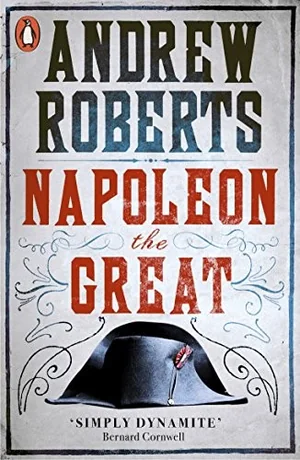
Napoleon the Great
Andrew Roberts · 2014
A monumental biography drawing on Napoleon’s 33,000 surviving letters, admiring but rigorous.
See on Amazon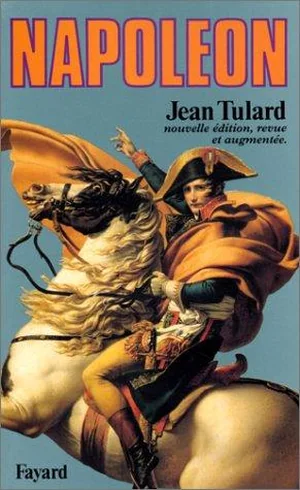
Napoléon ou le mythe du sauveur
Jean Tulard · 1977
The book that reshaped how the man is read: how France gave itself a saviour, and what it cost.
See on Amazon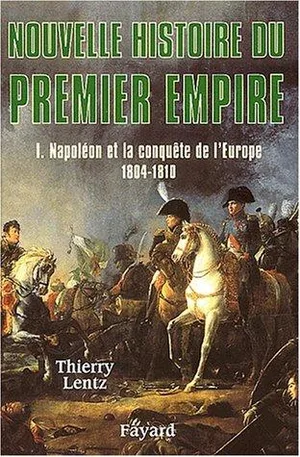
Nouvelle histoire du Premier Empire
Thierry Lentz · 2002-2010
Four reference volumes on institutions, diplomacy and collapse: the scholarly synthesis of the subject.
See on AmazonAs an Amazon Associate, this site earns from qualifying purchases.
Support the encyclopedia
Napoleon Empire is an independent project. Your contribution helps grow the content and keep the site running.
DonateSecure payment on the platform you choose.