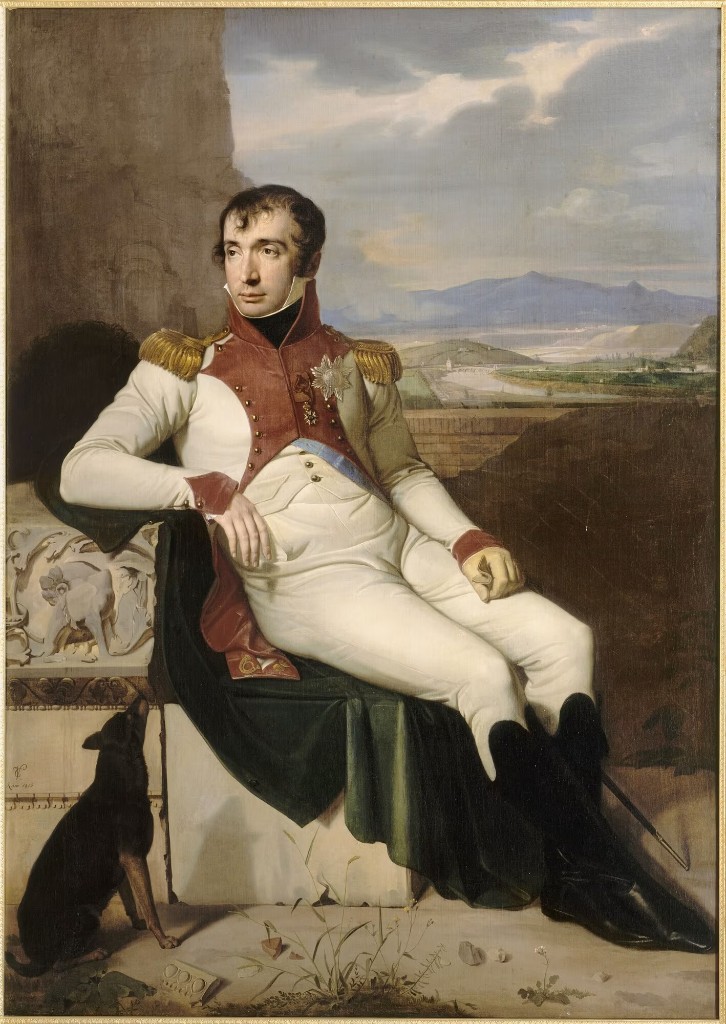
A Bonaparte cadet marked by Egypt and a melancholy of health, he followed Napoleon to Italy and the desert before being forced in 1802 to marry Hortense de Beauharnais — Josephine's daughter — to cement the nascent dynasty. The marriage became scandal and court whisper: jealousy, affairs, the early death of the first two sons, and a third child, Charles-Louis, whose paternity remains debated but whom Louis never disowned. King of Holland as Koning Lodewijk, he fought for his subjects against conscription and the rigours of the blockade; the annexation of 1810 drove him from the throne. Count of Saint-Leu, exiled between Graz, Italy, and Switzerland, he wrote under a pseudonym and in his memoirs offered a measured critique of the Empire; he died at Livorno in 1846, six years before "his" son would restore the Empire.
The Italian Cadet and Egypt's Fever
Louis Bonaparte was born at Ajaccio on 2 September 1778, already in the long shadow of Joseph and Napoleon. Nine years separate the future King of Holland from the future Emperor: enough to be the little brother one takes along, not enough to be the prodigy one fears. After the Corsican exodus of 1793, it was in France that he became an officer: the military school, the camps, then Italy in 1796 — the same roads as Napoleon, another temperament. Louis had neither the brilliance of Lodi's victor nor the strategist's hardness; he had fevers, silences, a sensitivity comrades took for weakness.
In 1798, aged twenty, he embarked for Egypt. The climate, the marches, the expeditionary force's diseases laid him low: joint pain, depression, broken health that army doctors diagnosed now as rheumatism, now as the aftermath of « bad fevers » — the rumour of syphilis, bandied by opinion, stuck to his name without ever being proven in the modern sense. What is certain is the contrast: one brother left the desert diminished, haunted, while the other brought back legend. Back home, colonel then aide-de-camp, Louis moved in the orbit of power without finding his place; he was the grey satellite of the Napoleonic sun.
Hortense, or the Marriage Not Chosen
In 1802, the First Consul arranged a family drama in which Louis and Hortense de Beauharnais were the compelled leads. She was twenty, quick wit, a taste for music and parties, secret wounds — whispers of her attachment to General Duroc, a father guillotined in 1794, a mother and Eugène released from the Carmes after Thermidor. He was twenty-three, melancholy, mistrustful. The civil marriage was celebrated on 4 January 1802: to seal the Bonaparte-Beauharnais alliance, to give the future Empire legitimate heirs, to reassure Josephine whose crown still depended on wombs. Napoleon decided; Letizia half-approved; Hortense wept in secret, legend says.
The following years mingled births and tragedy. Napoleon-Charles was born in October 1802; the child died in 1807, barely four — a blow for a couple already cracked. Napoleon-Louis was born in 1804; Charles-Louis — the future president then emperor — was born in 1808. Meanwhile the court noted Hortense's absences, Louis's rages, rumours of Count de Flahaut. Louis became the husband who watched, who wrote terse letters, who accused without proof and with too much pain. Hortense fled the conjugal bed to Saint-Leu, to Paris, to friendships where another life breathed. It was not merely a moral divorce before its time: it was the failure of an imperial policy drawn on genealogical paper.
The question of Charles-Louis's paternity haunted salons and chancelleries. Resemblance to Flahaut, dates, the Emperor's silences — everything was debated. Louis signed the record, raised the child as far as he could, never publicly uttered disavowal. In that refusal to break officially, there may have been Bonapartist pride, perhaps desperate love for a woman who did not love him, perhaps calculation not to anger Napoleon. The three hypotheses coexist in a man too often reduced to jealousy.
Koning Lodewijk Against the Blockade
In 1806, after Austerlitz and the end of the Third Coalition, Napoleon remade the north: the Batavian Republic vanished, a client kingdom emerged. Louis, who had not asked for the throne, became King of Holland — he styled himself Koning Lodewijk, learned Dutch word by word, first settled at Amsterdam then at Utrecht, fleeing The Hague his sickly frame deemed too damp. Against the image of the idle prince, he built: Council of State, Civil Code, hospitals, roads, the Royal Institute of the Netherlands — a sincere administrative modernisation that surprised Batavian elites.
But the Empire did not want a philosopher-king; it wanted soldiers, seized ships, ports closed to England. The Continental Blockade, an economic war machine, turned Holland into a watertight shield — yet Holland lived by trade, by smugglers' wit, by holds full of tea and cotton. Louis stalled, reduced seizures, refused to execute smugglers. His celebrated line to Napoleon — « Sire, if you wish to lose Holland, give me harsher orders » — summed up the impasse: brother against brother, national interest against imperial raison d'état.
In 1809, the British expedition against Walcheren threw the coasts into chaos. Louis organised defence, mobilised the militia, gained local popularity while Paris accused him of weakness. Napoleon, exasperated by blockade leaks through Rotterdam and the islands, decided: in July 1810 Holland was annexed to the imperial domain. The king abdicated on 1 July in favour of his son Napoleon-Louis — a symbolic gesture in vain: the child would never hold the throne. Louis took the title of Count of Saint-Leu and left the country he thought he had served by defending it against his own blood.
Mourning, Separation, and Arenenberg
Abdication opened a long wandering: Graz, Switzerland, Florence, Livorno — spa towns and pensions where one met other fallen princes. Louis and Hortense no longer cohabited; the marriage survived in the register, not in life. He watched her from afar as she frequented the imperial court, then after 1814 the salons of the Restoration and liberal friendships. The two elder boys died young: Napoleon-Charles in 1807, an intimate blow that had already wounded the couple; Napoleon-Louis in 1831, fever during the Italian campaign — another son yielded to the era's war bulletins.
Charles-Louis grew up at Arenenberg Castle on the shores of Lake Constance, in the world Hortense built to escape Paris's shadow. Louis appeared there sometimes, an ambiguous paternal figure: present on paper, absent from daily life. He did not break with the son — neither legally nor publicly — while all Europe whispered. That restraint, in a century obsessed with honour and lineage, took courage or abnegation; it also allowed the future Napoleon III to move under the Bonaparte name without a public paternity trial.
Count of Saint-Leu, Pen and Tomb
Under the pseudonym Count of Saint-Leu — from lands he had received near Rambouillet — Louis published poetry, pamphlets, reflections on constitutional monarchy. The Historical Documents and Reflections on the Government of Holland (1820) defended his royal action: a sovereign bound to spare his people even when family alliance demanded the opposite. He did not disown Napoleon; he described the vice. Second Empire memorialists would reread these pages for the intellectual ancestor of moderate « Bonapartism » — belief in plebiscite and progress without cult of the sword.
He died at Livorno on 25 July 1846, aged sixty-seven, in the relative indifference of the French press — the former King of Holland was a footnote. Six years later, however, Charles-Louis became Prince-President then Napoleon III: fate's irony made the man whose fatherhood was doubted the one whose uncertain son refounded the Empire. In 1879 the imperial nephew had Louis's remains transferred to the Invalides, near Napoleon I's tomb. The sickly cadet, the unhappy husband, the king too humane for the blockade joined at last, under the dome's marble, the family he had both served and endured.
Discover other characters
Napoleon Bonaparte
Emperor of the French
Hortense de Beauharnais
Queen of Holland
Napoleon II
King of Rome
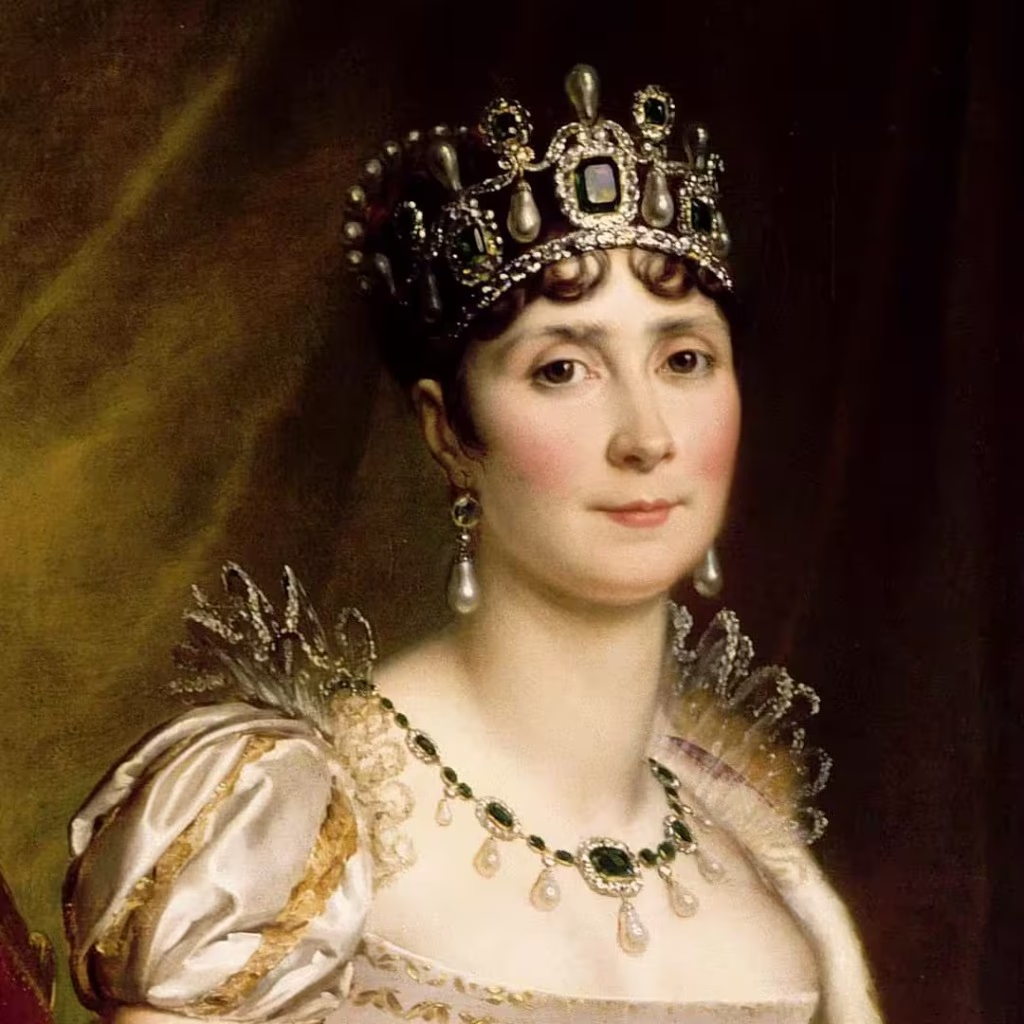
Joséphine de Beauharnais
Empress of the French
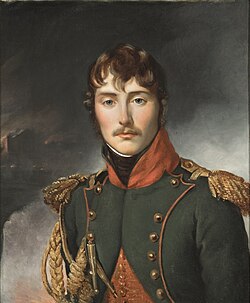
Eugène de Beauharnais
Viceroy of Italy
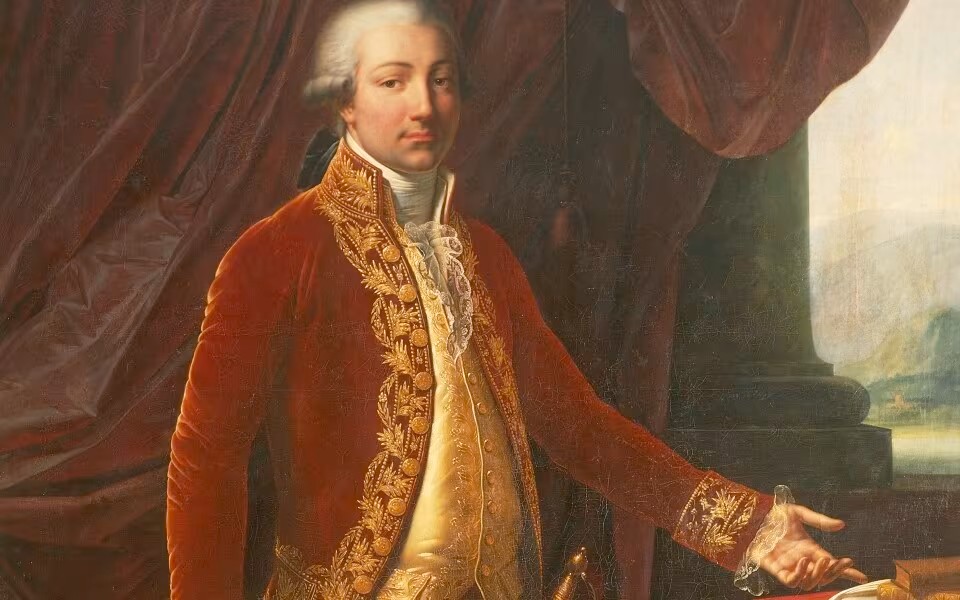
Charles Bonaparte
Lawyer, royal assessor at Ajaccio, Corsican gentleman
Go further
Recommended books to dig deeper (affiliate links)
Napoleon the Great
Andrew Roberts · 2014
A monumental biography drawing on Napoleon’s 33,000 surviving letters, admiring but rigorous.
See on Amazon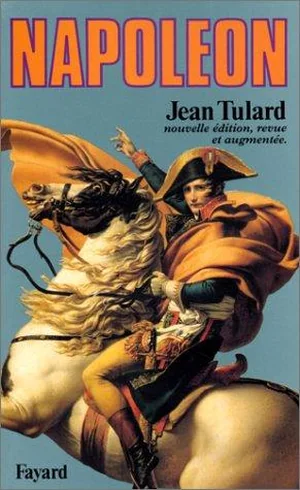
Napoléon ou le mythe du sauveur
Jean Tulard · 1977
The book that reshaped how the man is read: how France gave itself a saviour, and what it cost.
See on Amazon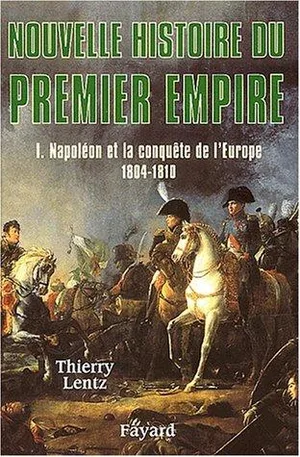
Nouvelle histoire du Premier Empire
Thierry Lentz · 2002-2010
Four reference volumes on institutions, diplomacy and collapse: the scholarly synthesis of the subject.
See on AmazonAs an Amazon Associate, this site earns from qualifying purchases.
Support the encyclopedia
Napoleon Empire is an independent project. Your contribution helps grow the content and keep the site running.
DonateSecure payment on the platform you choose.