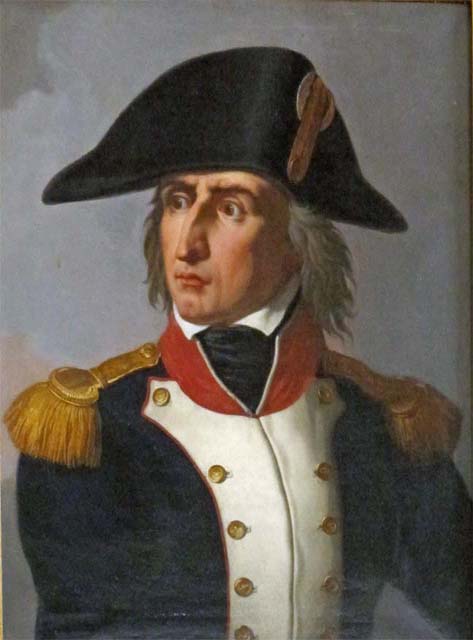
Charles-Pierre-François Augereau (1757-1816), mason's and market-seller's son, embodied the cosmopolitan soldier of the Old Regime turned Revolutionary hero: desertion, service in Russian, Prussian, and Neapolitan armies, then return to France to rise to the marshalate of 1804. At Arcola he seized a flag and led the assault under fire; at Castiglione he helped break Wurmser. The title of Duke of Castiglione crowned that ascent. Yet Eylau in 1807 brought him bloody disgrace in the snowstorm — the VII Corps mown down by Russian artillery. Spain and age finished wearing him down. In March 1814, commanding at Lyon, he published a proclamation disavowing Napoleon: one of the most spectacular rallies to the Bourbons before the abdication. Faithful to Louis XVIII during the Hundred Days, he died in 1816 without seeing the Emperor again — a path from youthful bravery to an end still disputed between imperial bulletins and black legend, somewhere between tactical exemplar and textbook case of defection.
Paris, desertion and European apprenticeship before the Revolution
Charles-Pierre-François Augereau was born on 21 October 1757 in Paris, in a working-class milieu of the faubourg: his father was a mason, his mother sold fruit at the Halles. Urban childhood taught him the hardness of labour and familiarity with garrisons before he enlisted in 1774 in a line regiment. Monarchical discipline soon felt stifling: in 1779 or 1780 by various accounts, he deserted — a grave act that for a commoner closed as many doors as it opened elsewhere.
Rather than vanish into French clandestinity, Augereau chose military adventure abroad. He served successively in Russian, Prussian, and Neapolitan armies, absorbing varied combat styles and command languages. That wandering forged an adaptable officer wary of purely titled authority: merit in fire trumped birth — a conviction he would carry into Revolutionary armies.
In 1790, taking advantage of relative amnesty and political upheaval, he returned to France. The National Guard then federate battalions offered a fresh start without erasing his deserter's past — a file some political foes would later revive. Early Revolutionary engagements showed him impetuous, able to encourage troops by example rather than tribune speeches.
In 1792-1793 he took part in defending the nascent Republic on secondary theatres before being noted for tactical energy. The Terror and purges touched more exposed generals; Augereau, still colonel or brigadier general by phase, survived by mixing bravery with a certain knack for not standing out in the bloodiest committees.
In 1794 he commanded on the western Pyrenees front: war of posts, counter-guerrilla, negotiations with Basque or Spanish municipalities that were sceptical. It was not yet Italian glory, but the school of command in broken terrain — skill Bonaparte would exploit when he rebuilt the Army of Italy.
Memoirs and correspondence of the day rarely touch his private life: the future marshal remained an almost wholly military figure, without fortune comparable to Masséna's or Murat's social celebrity. That relative discretion, in a man of feared blunt speech, paradoxically favoured his integration in the Revolutionary hierarchy: he was promoted for results under fire, not salon networks. A few anecdotes tell of duels and altercations with other officers — the echo of garrisons, not yet the court comedy of the Empire.
On the eve of 1796 Augereau was a tested divisional general, his body marked by wounds and his language coarsely blunt: the typical firebrand Revolutionary the young Bonaparte meant to turn into an instrument of offensive strategy.
Army of Italy, Arcola, Castiglione and the marshalate
In March 1796 Bonaparte received command of the Army of Italy. Augereau held an elite division: men trained to forced marching and bayonet shock. Early victories — Montenotte, Millesimo, Dego — established the legend of rapid manoeuvre that disjointed Austro-Sardinian forces before they could converge.
On 15-17 November 1796 the series of assaults on the bridge of Arcola became one of the most cited episodes of the campaign. Augereau, at the head of the grenadiers, seized a flag and threw himself onto the narrow crossing where Austrians still held. Grape wounded him; he refused to leave the firing line. Antoine-Jean Gros, in his famous composition, fixed Napoleon brandishing the standard on the bridge — Augereau is not painted in portrait there, but the public scene forever ties his name to the Arcola epic.
On 5 August 1796 at Castiglione delle Stiviere Augereau played a decisive part in the manoeuvre that trapped Dagobert von Wurmser: repeated frontal attacks, holding under enemy artillery, synchronisation with other French divisions. Victory opened the road to Verona and consolidated Augereau's reputation as a reliable « hammer » — the man sent when an outcome had to be forced at the price of blood.
Later campaigns to Campoformido mixed sieges, parleys, and skirmishes. Augereau rubbed shoulders with Masséna, Sérurier, Joubert; he also learned tensions between generals jealous of the commander-in-chief's favour. His temperament as a moderate rebel — never open treason, but biting retorts — foreshadowed sometimes strained relations with the future Emperor.
The Consulate and transition to Empire did not leave him idle: in 1804 he was among the first eighteen marshals. The title honoured a career built entirely on active service, without the slightest noble particle of origin. Napoleon knew Augereau embodied the Revolutionary promise of merit — even if his use of this marshal would vary by campaign.
The painting of Augereau at the Bridge of Arcola — tricolour raised, grenadiers and grape-shot — embodies the gesture witnesses described in 1796: the marshal in the front line, heroic counterpoint to the controversial political end of 1814.
Jena, Eylau and the diminished marshal
In October 1806 the Prussian campaign gave Augereau revenge on his Prussian youth: he commanded the VII Corps at Jena. On 14 October, while Lannes pinned the enemy centre, Augereau outflanked and helped collapse the military machine inherited from Frederick II. Bulletins celebrated French speed; Augereau briefly regained Arcola-like brilliance without fire as concentrated on his person.
Four months later, on 8 February 1807, the frozen plain of Eylau became a nightmare. Augereau was to break Bennigsen's Russian left wing; a snowstorm blinded his columns. In the classic tale he took the wrong direction, exposed the VII Corps to enfilading fire from Russian batteries on the heights, and saw his regiments mown down in minutes. He himself was hit — adding to a long list of Italian wounds. Napoleon committed the Guard and Murat's cavalry to plug the gap; the battle remained indecisive, but Augereau's image emerged tarnished.
Military historians debate: personal fault, vague orders, or weather chance that would have trapped any general? In any case Eylau marked a psychological fracture: the « hammer » marshal was no longer invulnerable. Napoleon, in his correspondence, still mixed trust and irritation by the week.
The months after Eylau did not strip him of all command, but the Emperor entrusted major manoeuvres more to others; Augereau alternated active spells with convalescence. The wound taken in the storm had weakened him; the morale of the VII Corps veterans, decimated, needed time to rebuild. It was a transition between the Italian hero and the tired marshal soon to be sent to Spain — less an administrative break than gradual erosion of shared confidence between headquarters and a general too marked by one nightmare day.
Gros's monumental canvas of Napoleon on the field of Eylau — snow, wounded, fallen horses — sums the icy atmosphere of that day. The Emperor dominates the composition; yet for readers of Augereau's biography the image also evokes the hell the VII Corps endured in the blizzard — the human price history paintings do not always name.
In 1808 Napoleon granted Augereau the title of Duke of Castiglione — symbolic crowning of a 1796 victory turned ducal name. The gesture mixed recognition and perhaps domestication: tying the flamboyant Revolutionary to an Italian land now under French influence.
Spain, Germany and the slow erosion of loyalty
In 1808 Augereau joined the Spanish theatre — thankless for marshals used to pitched battles of Italy or Germany. He took part in the French victory at Medina de Rioseco, but guerrilla, climate, and stretched supply lines wore down his strength and health. Reports grew less thunderous; requests for recall more frequent.
Napoleon eventually pulled him from the Peninsula: neither complete disgrace nor brilliant success — a kind of medical and political stand-down. Augereau, in his fifties, suffered sequelae of multiple wounds and a constitution worn by years of unbroken campaigning.
In 1812 he received command of the XI Corps for the German campaign before the Russian disaster. He did not follow the Grand Army to Moscow: his role was peripheral, cover or reserve by phase. That marginalisation fed his sense of being relegated to extra — humiliation for a man who had shared the bridge of Arcola with the future master of Europe.
In 1813 he was held in reserve during the Saxon campaign. Defeats accumulated; the Empire fell back. Augereau watched from the rear the progressive dismantling of the Napoleonic machine. Private letters — when found — mixed weariness and calculation: serve again or preserve what could be of peerage and ducal lands?
When the Coalition crossed the Rhine in 1814 Augereau was no longer the flamboyant sword of 1796; he was a territorial army commander tasked with defending the south-east with incomplete means. Overall strategy made heroic resistance almost futile — context his detractors often forget when they condemn him for the Lyon proclamation.
Lyon, March 1814 proclamation and death under the Restoration
In March 1814 Augereau commanded French forces around Lyon against the Austrian advance. Rather than prolonged defence that would spill Lyonnais blood for a cause he now deemed lost, he chose a radical political path: on 21 March he published a proclamation openly disavowing Napoleon and calling for peace with the Coalition.
To the Emperor's partisans it was pure treason — abandonment of the marshal's oath at the worst moment. To moderate royalists it was clear-sightedness: spare the city and hasten an inevitable abdication. Napoleon abdicated at Fontainebleau on 6 April; chronologically Augereau's proclamation preceded that decision by a few days — it was not the sole cause, but it weakened the morale of south-eastern garrisons.
Louis XVIII rewarded Augereau with a peerage: the deserter of 1780 became a peer of France. During the Hundred Days Augereau remained faithful to the Bourbons: he refused to join Napoleon back from Elba — a choice that spared him Ney's trial but condemned him in Bonapartist memoirs of the nineteenth century.
He died on 12 June 1816 at La Houssayé, in the Manche, aged fifty-eight — before the imperial nostalgia wave that under Louis-Philippe and Napoleon III would rehabilitate so many Empire figures. His relatively early death excluded him from 1830-1850 polemics over « shot marshals » or grand military funerals.
Posterity long reduced Augereau to two clichés: the hero of Arcola and the « renegade » of Lyon. An honest biography must confront both images without merging them abusively — the same body under fire in 1796 is not the same that signs a proclamation in 1814, but the continuity of wounds and campaigns deserves to be taken seriously.
Discover other characters
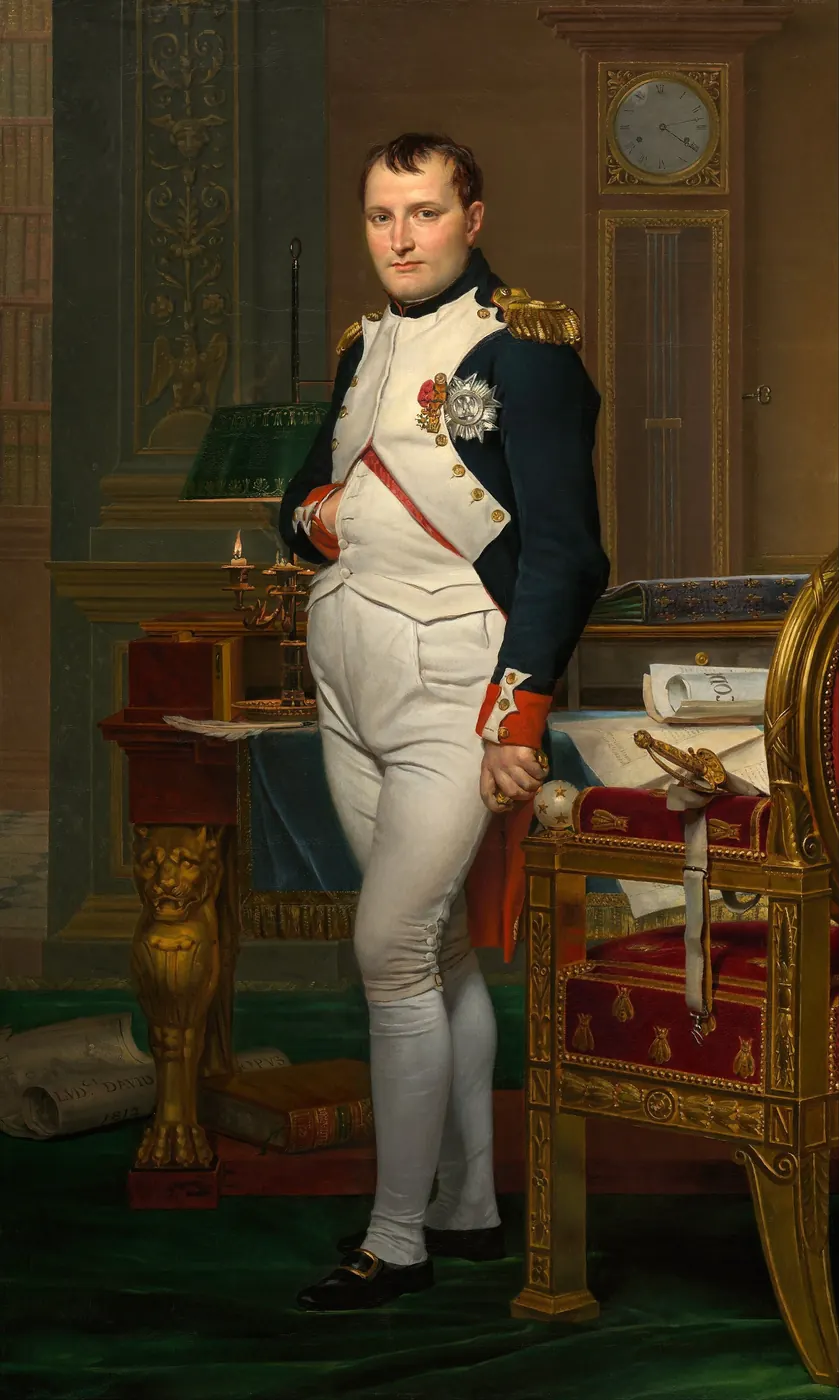
Napoleon Bonaparte
Emperor of the French
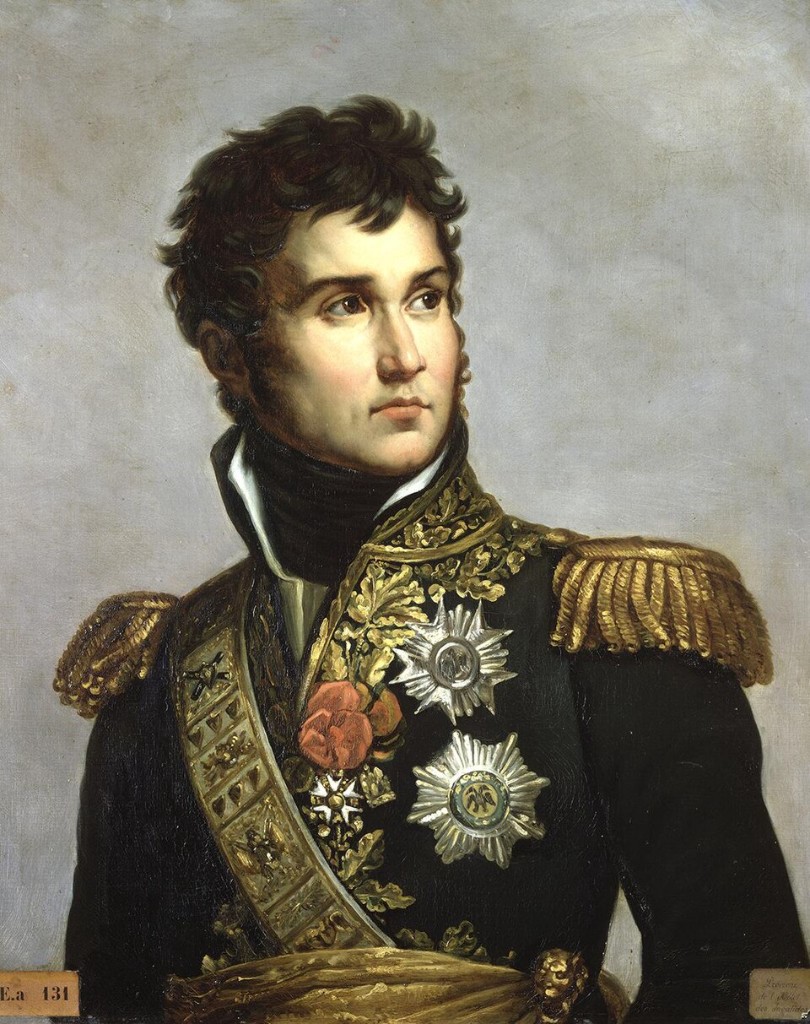
Jean Lannes
Marshal of the Empire, Duke of Montebello
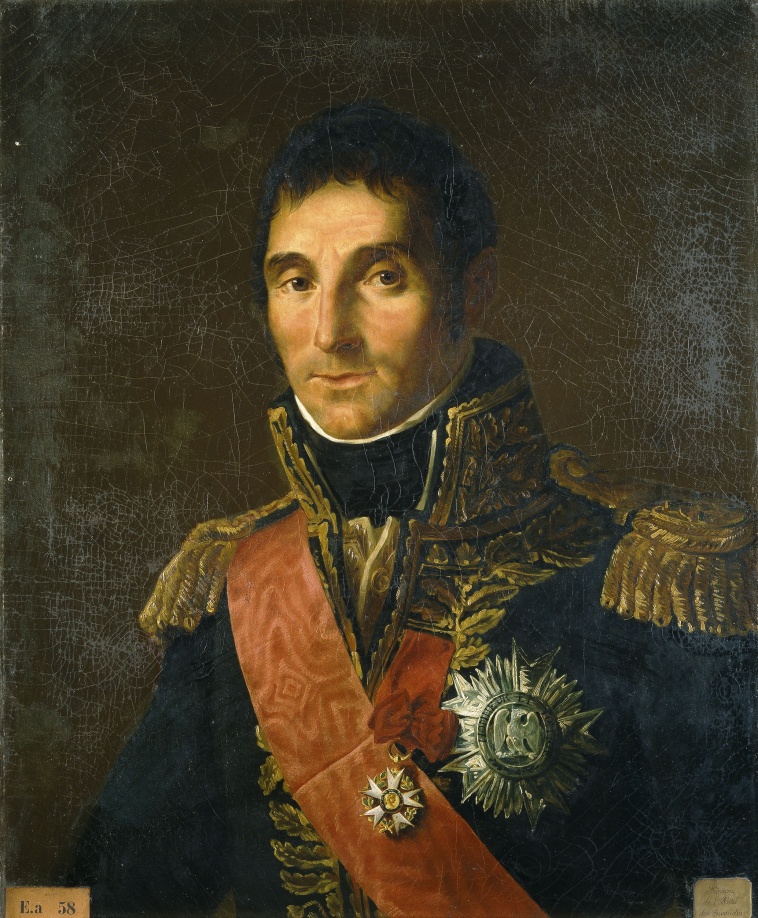
André Masséna
Marshal of the Empire, Prince of Essling
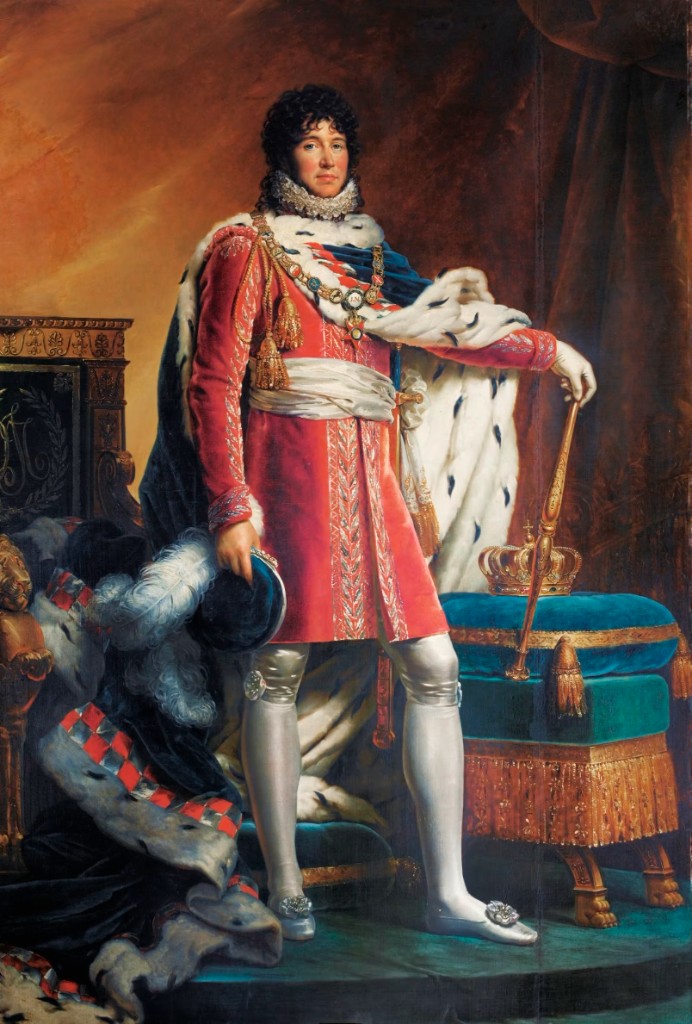
Joachim Murat
Marshal of the Empire, King of Naples
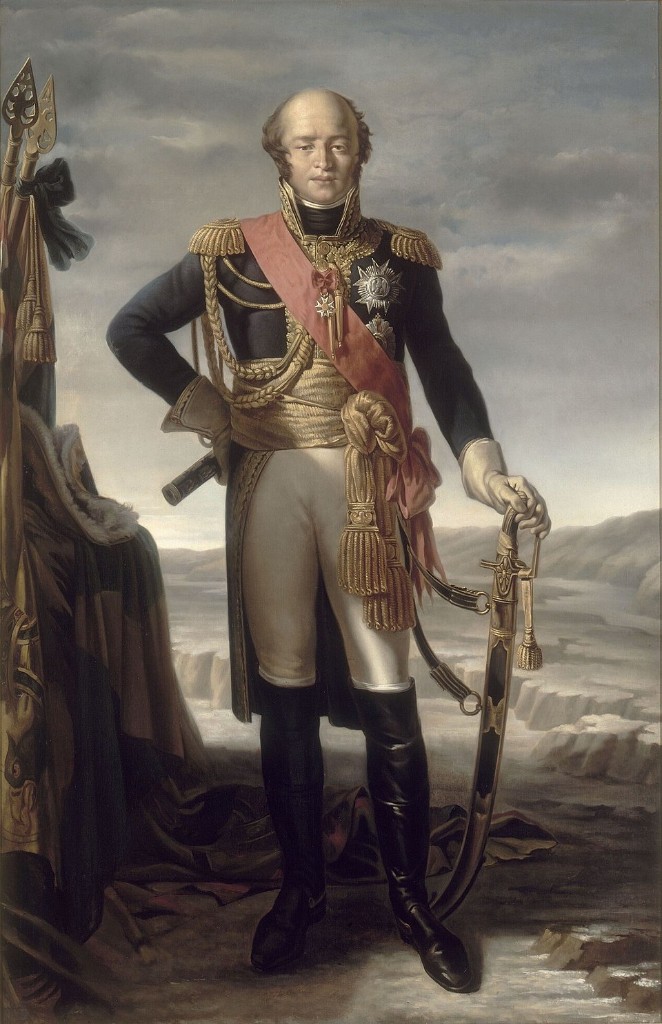
Louis-Nicolas Davout
Marshal of the Empire, Prince of Eckmühl
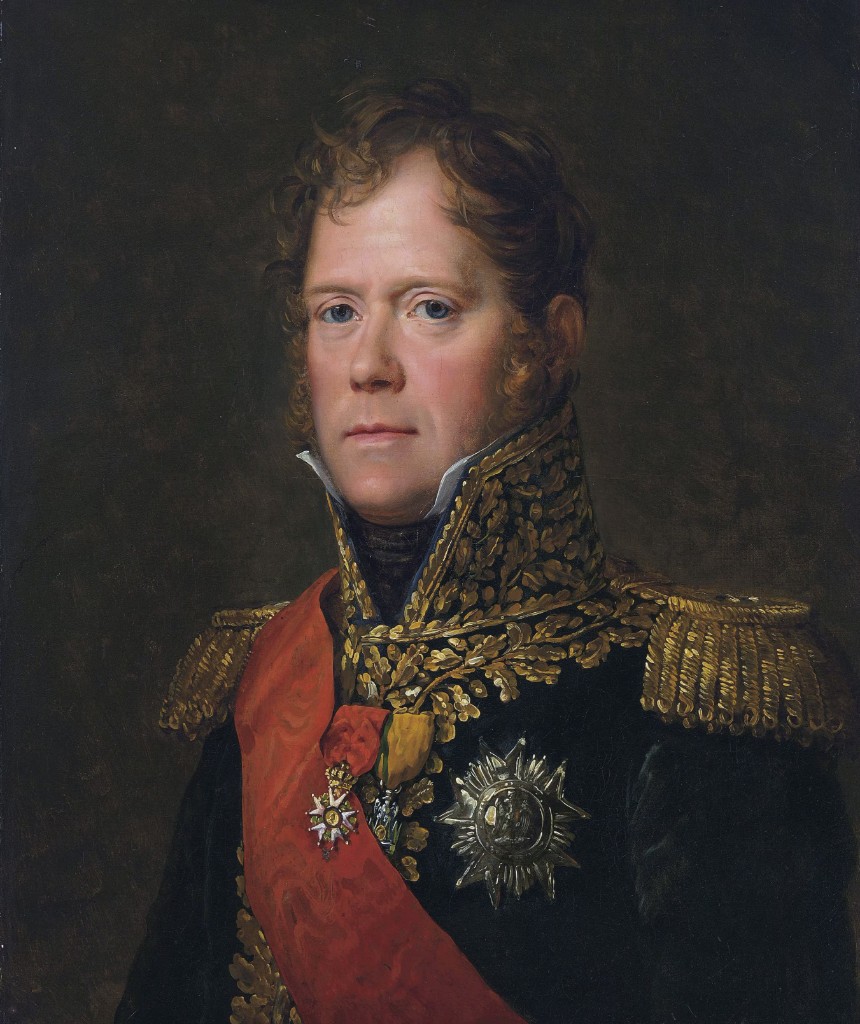
Michel Ney
Marshal of the Empire, Prince of the Moskova
Go further
Recommended books to dig deeper (affiliate links)
Napoleon the Great
Andrew Roberts · 2014
A monumental biography drawing on Napoleon’s 33,000 surviving letters, admiring but rigorous.
See on Amazon
Napoléon ou le mythe du sauveur
Jean Tulard · 1977
The book that reshaped how the man is read: how France gave itself a saviour, and what it cost.
See on Amazon
Nouvelle histoire du Premier Empire
Thierry Lentz · 2002-2010
Four reference volumes on institutions, diplomacy and collapse: the scholarly synthesis of the subject.
See on AmazonAs an Amazon Associate, this site earns from qualifying purchases.
Support the encyclopedia
Napoleon Empire is an independent project. Your contribution helps grow the content and keep the site running.
DonateSecure payment on the platform you choose.