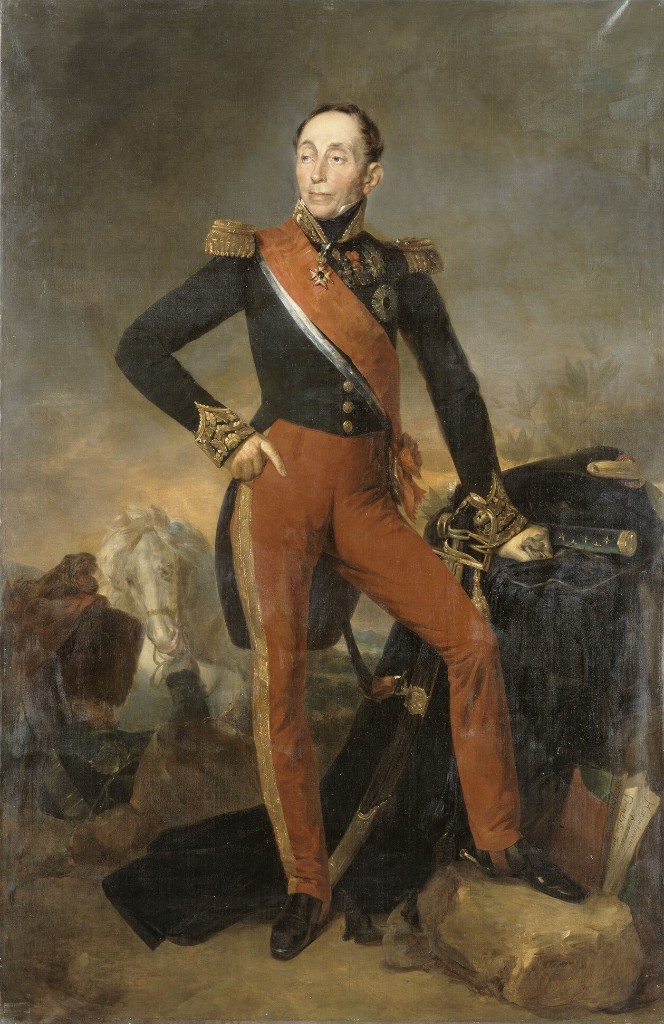
Emmanuel de Grouchy, Marquis de Grouchy (23 October 1766-29 May 1847), eldest son of Marquis François Jacques de Grouchy and Gilberte Fréteau, was born into nobility of robe and sword tied to Condorcet through sister Sophie and to Cabanist Charlotte — Enlightenment networks contrasting with a cavalry officer’s career. Artillery at Strasbourg, Scottish Guards, freemason at Beauvais, he embraced 1789, resigned then became colonel of dragoons and hussars in 1792: conquest of Savoy, defence of Nantes against the Vendée, Thermidorian proscription, quiet return, then Quiberon beside Hoche, failed Ireland expedition, Italy where Novi brought capture after fourteen wounds at Paturno. Exchanged, he protested in writing against the Consulate yet served in Engadine, Hohenlinden with Moreau — friendship drawing Bonaparte’s mistrust until the 1805 campaign: Ulm, Jena, Prussian pursuit to Berlin, Eylau where barely one regiment survived from four thousand and Lafayette saved his life, Friedland noted in the bulletin. Count of the Empire, Madrid under Murat in 1808, return for Wagram: decisive cavalry at Raab and on the plateau, colonel-general of Guard chasseurs à cheval, 3rd cavalry corps in Russia, Borodino, sacred squadron on the retreat; in 1813 quarrel with Napoleon over infantry versus cavalry, then severely wounded at Craonne, ralliement to Louis XVIII as inspector. Hundred Days: among the first loyalists, he neutralised Duke of Angoulême (Sète), gained baton 17 April 1815 and command of cavalry of Army of the North. Ligny saw him crush the Prussian wing without destroying Blücher; the 17 June detachment to « follow » Prussians and march on Wavre, executed to sound of cannon despite Gérard, pinned Thielmann while Blücher marched on Waterloo — strawberries at Walhain legend, St Helena epigram, honourable retreat to Namur and Reims. Proscribed for Angoulême affair, five years in Philadelphia, return 1821, Marshal of France under Louis Philippe (1831), memoirs published by his son. Died at Saint-Étienne returning from Italy, buried Père Lachaise; name on Arc (4th column). For Empire Napoléon Grouchy condenses the order-versus-initiative dilemma at the worst moment — elite general become scapegoat for a defeat whose chain of command had several weak links.
Condorcet, Royal Guard, and the Republic’s Sabre
Born in Paris, Grouchy belonged through women to the Enlightenment salon: sister Sophie married Condorcet — milieu where the marquis’s sword sometimes seemed concession to Ancien Régime he yet served young: Strasbourg artillery, La Fère, cavalry, Scottish Guards company with high rank equivalence.
1789 principles enthused him; he left the Guards then rejoined Revolutionary army as colonel of chasseurs, dragoons and hussars, shifting from Midi to Alps where Savoy conquest won light-cavalry glory.
Divisional general by representatives on mission, he defended Nantes against Vendéens before noble suspicion: suspension, decree of 15 Thermidor Year II, retreat in Manche during Terror — discreet survival contrasting with future ardour under fire.
Recalled, he became chief of staff of Army of Ocean Coasts, junction with Hoche, Quiberon victory over émigrés, then command of Army of the West and staff of three united armies; Ireland expedition failed, but Republic kept a manoeuvre general.
Under Joubert in Italy, he forced Charles Emmanuel IV to abdicate in Piedmont, distinguished himself before Novi, wounded in the field, lost two horses at Trebbia; at Novi left wing took four thousand Austrian prisoners before encirclement at Paturno and fourteen wounds — heroic capture closing brightest republican phase.
For Empire Napoléon this path sketches useful rallied noble: Jacobin enough to survive decrees, sabre enough to feed bulletins before Bonaparte became judge of suspect friendships.
Mistrustful Consulate, Ulm, Jena, and Eylau Furnace
Exchanged after a year captivity, he saw Brumaire with disgust and protested in writing against Consulate; he nonetheless resumed in Engadine then replaced ill Macdonald heading reserve division, before Hohenlinden where his valour confirmed Moreauvian prestige — link that long froze imperial promotion.
Without major command until 1805, he gained cavalry inspection and Tuscan missions for King of Etruria; Austrian campaign returned him front line: Wertingen, Günzburg, Ulm, illness bringing him France before Austerlitz but not before measuring tactical competence.
1806: dragoon division, pursuit after Jena, entry to Berlin, fighting at Zehdenick and Prentzlow, Lübeck, Vistula, Thorn — mass cavalry Napoleon dreamed to crush routed Prussian army.
At Eylau 8 February 1807 he committed four thousand men morning; by evening barely twelve hundred remained, his horse killed, himself severely wounded — aide-de-camp Lafayette owed him survival; Bavarian Maximilian Joseph cross consecrated sacrifice before Friedland, where 19th bulletin cited him flatteringly.
Tilsit peace crowned year: Grand Eagle of Legion, count of the Empire in prospect, while Emperor opened Spain where Grouchy would soon bear Madrid governor’s baton more than Tuileries courtier’s.
For Empire Napoléon this block fixes Grouchy among apogee’s battle killers: not yet marshal, already general whose name shook enemy staff when snow and mud had not yet laid him low.
Madrid, Wagram, Russia, and the 1813 Dispute
In Spain under Murat, Madrid governor, he repressed May 1808 insurrection with capital’s demanded harshness; tired of Iberian theatre, he sought return and went Italy 1809 for cavalry charges beside Eugène before junction with Grand Army in Germany.
At Raab his manoeuvre helped decide day; at Wagram 6 July he beat Austrian cavalry and enveloped Archduke Charles’s corps; two days later he crushed Rosenberg rearguard — Napoleon gave Iron Crown commander and prestigious post colonel-general of Guard chasseurs à cheval, institutional peak of officer still without marshal’s baton.
In 1812 he led 3rd cavalry corps: Dniepr crossing, Krasnoi, Smolensk, Moskowa where carbine ball crossed his chest, son wounded beside, horse killed — bitter glory of last great victory before fire.
Retreat: Maloyaroslavets under Eugène, cover at Viazma where he saved artillery; Davout replaced him rearguard before sacred squadron riding round Emperor — ultimate symbol of trust and gilded cage for general dreaming of infantry.
1813: refusal to stay cavalry-only, returned orders to minister, estate retirement, then patriotic letter when borders gave; Colmar, Vosges, Brienne, La Rothière, Vauchamps, Montmirail, Troyes retaken, new wound at Craonne — battered body explaining Bourbon welcome as inspector rather than pariah.
For Empire Napoléon Grouchy illustrates tension between elite specialisation and full career: heavy-charge master wants foot army, Emperor wants horse hammer until political corpse limit.
Hundred Days: Angoulême, 17 April Baton, and Ligny Victory
From March 1815 faithful among faithful summoned to Tuileries: devotion to fatherland, command of 7th, 8th, 9th and 10th military divisions, road to Lyon where Duke of Angoulême demanded execution of Convention of La Palud — Grouchy referred to Emperor and, on orders, embarked prince at Sète before Marseille.
This politico-military act earned marshal’s brevet 17 April 1815 and peerage — lightning promotion in late promotion where each name weighed on Belgian campaign.
Organiser of Army of Alps, Savoy and Piedmont defence, then recall to Paris and Chamber of Peers, he received command-in-chief of cavalry of Army of North — mobile mass meant to complete Napoleonic game against Wellington and Blücher.
16 June at Ligny, on right wing facing Prussians, he contributed to Napoleon’s last open-field campaign victory: terrible shock, but enemy army not destroyed, Blücher wounded without coalition dissolving.
As evening fell Emperor charged him to pursue withdrawn Prussians — order historians would debate as rigid or subordinate to enemy’s real movements, first stone of controversy trial.
For Empire Napoléon Ligny is Grouchy’s ironic peak: marshal only weeks, he wins battle remembered less than what he would not do next day on another field.
Wavre, Gérard, and the Shadow of Mont-Saint-Jean
On 17 June detached with thirty-three thousand men and one hundred eight guns, Grouchy received mission to follow Prussians presumed toward Meuse; dispatches contradicted, mud slowed marches, and Thielmann’s corps at Wavre masked Blücher’s countermarch toward Wellington’s cannon.
Gérard and others pressed to march toward battle noise; Grouchy cited written instructions and order to keep Prussians off main field — classic debate between initiative and discipline staff colleges would fuel a century.
Strawberry lunch legend at Walhain — amplified by literature — symbolises popular misunderstanding of day where minutes and kilometres decided Empire; St Helena supplied biting epigram on thirty-three thousand men « unfindable ».
At Wavre evening 18th Grouchy attacked Thielmann while Blücher joined Waterloo; 19th he repelled superior forces, considered Brussels, read imperial message at last and withdrew toward Namur through enemy lines without tactical disaster — retreat performance often eclipsed by Belgian plateau drama.
Reims learned abdication; proclamation to troops called defence of fatherland and liberty under King of Rome — last republican act of marshal Restoration would not forgive for Angoulême embarkation.
For Empire Napoléon Wavre is Waterloo’s distorting mirror: local French victory, European strategic defeat, and name become synonym for delay while chain of orders remained shared between Paris, Caillou farm and Flemish roads.
Philadelphia, Rehabilitation, and Tomb at Père Lachaise
June 1815 closed on North command decree handed to Davout in Paris; 24 July ordinance proscribed Grouchy — king forgave neither Angoulême episode nor Wavre. Five years in Philadelphia joined diaspora of Empire generals fallen with Hundred Days.
Two war councils declared incompetent; November 1819 ordinance restored titles and honours to 19 March 1815; returned 1821, lieutenant-general retired, he waited July Monarchy to regain peerage, Marshal of France (1831) and seat among peers — institutional repair without unanimous moral acquittal of opinion.
His Memoirs, published by marquis son in 1870s, pleaded obedience to 18 June orders and absence of formal instruction to join Mont-Saint-Jean — dossier Bonapartists cited, opponents contested, historians nuanced per archives found.
He died 29 May 1847 at Saint-Étienne, returning from Italian journey, at Hôtel du Nord — provincial end for Parisian born who had crossed Moscow and Neva.
Buried Père Lachaise (57th division), name carved Arc north side (4th column), Saint-Étienne barracks then pool on site materialise local memory; Waterloo debate survives in library more than street.
For Empire Napoléon Grouchy offers coldest lesson: without him on plateau, could Guard have tipped? Question stays open, but whole career — Novi to Wagram, Moscow to Craonne — recalls marshal of four days was first general of twenty-three years continuous fire.
Discover other characters
Napoleon Bonaparte
Emperor of the French
Michel Ney
Marshal of the Empire, Prince of the Moskova
Gebhard Leberecht von Blücher, Prince of Wahlstatt
Prussian general, field marshal on coalition battlefields
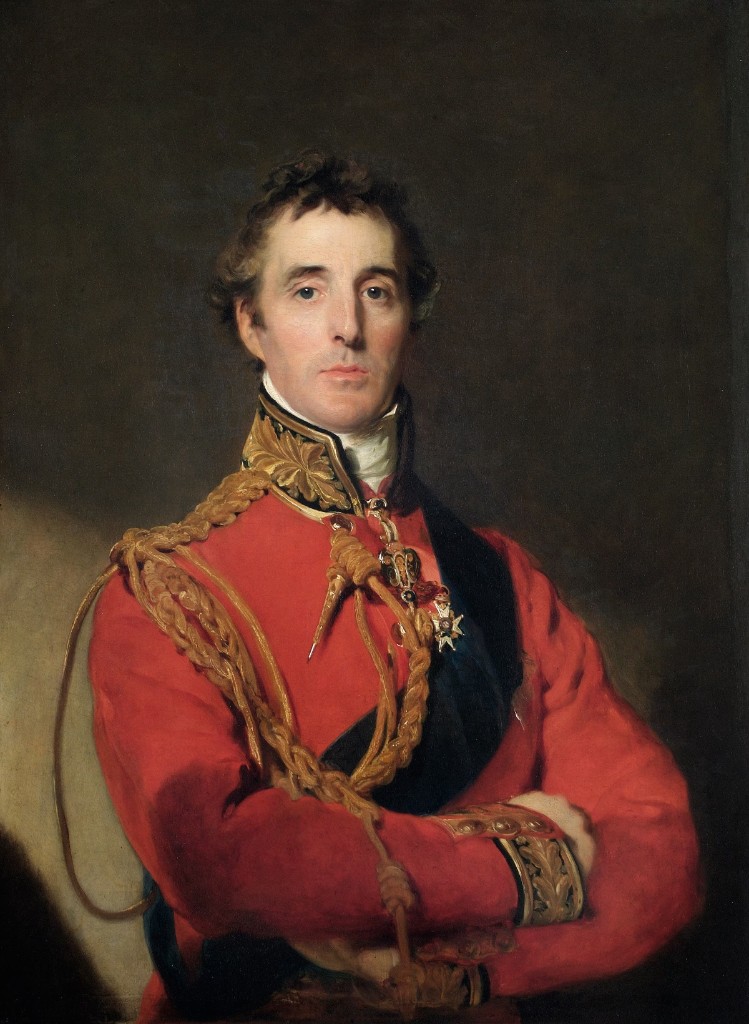
Arthur Wellesley, 1st Duke of Wellington
British general, victor of Waterloo, Prime Minister
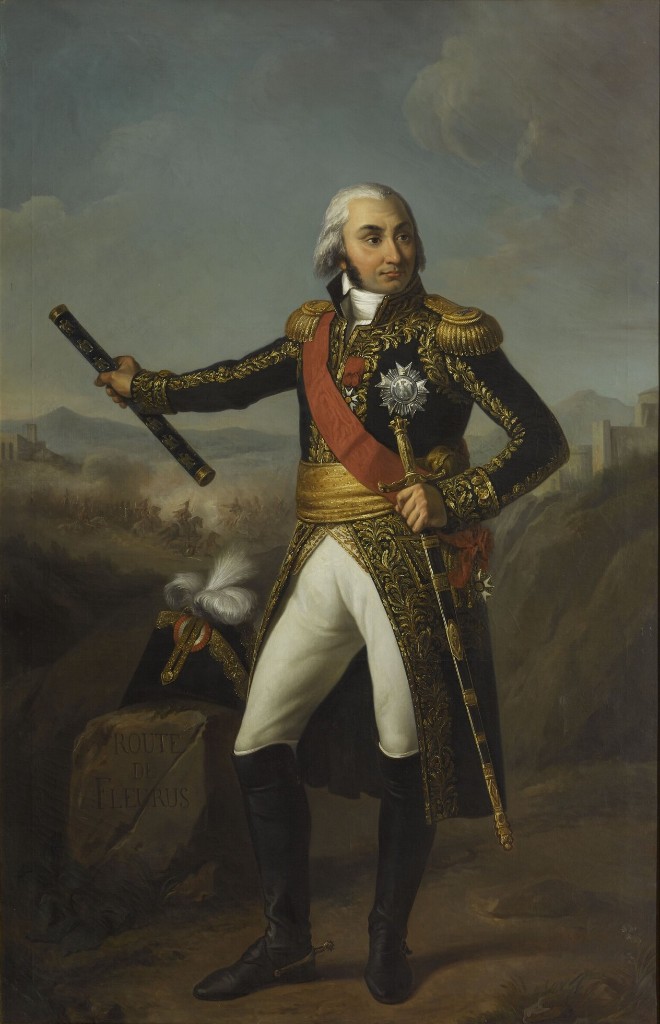
Jean-Baptiste Jourdan
Marshal of the Empire, Count Jourdan
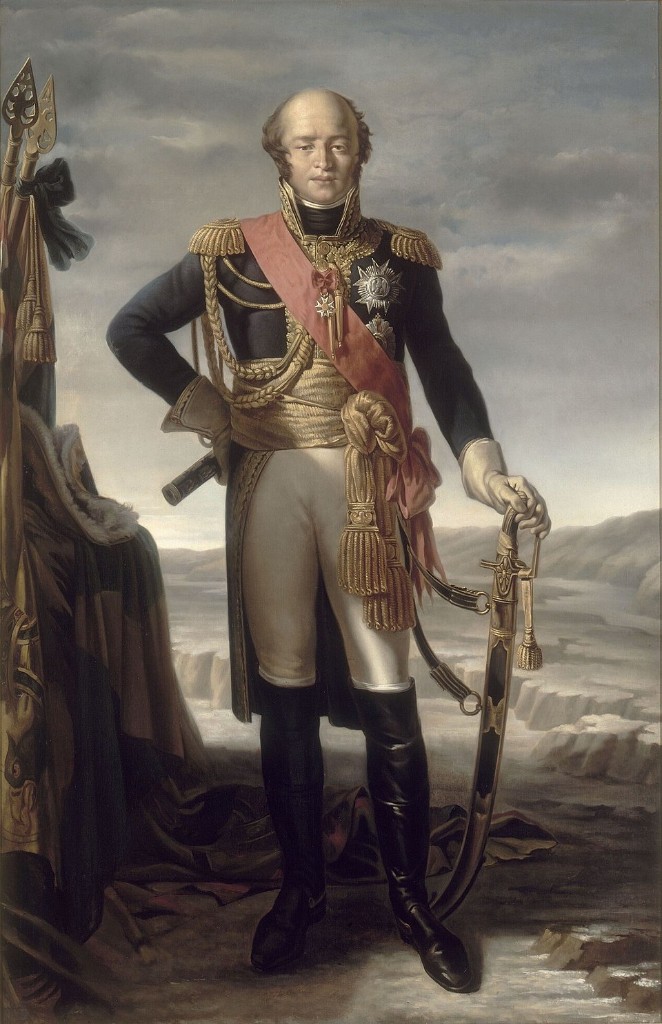
Louis-Nicolas Davout
Marshal of the Empire, Prince of Eckmühl
Go further
Recommended books to dig deeper (affiliate links)
Napoleon the Great
Andrew Roberts · 2014
A monumental biography drawing on Napoleon’s 33,000 surviving letters, admiring but rigorous.
See on Amazon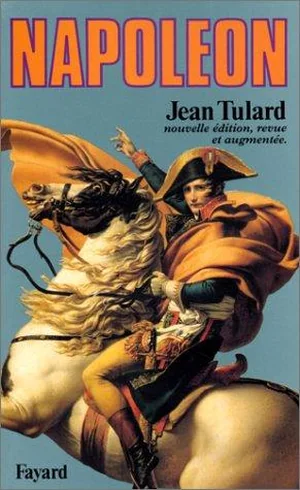
Napoléon ou le mythe du sauveur
Jean Tulard · 1977
The book that reshaped how the man is read: how France gave itself a saviour, and what it cost.
See on Amazon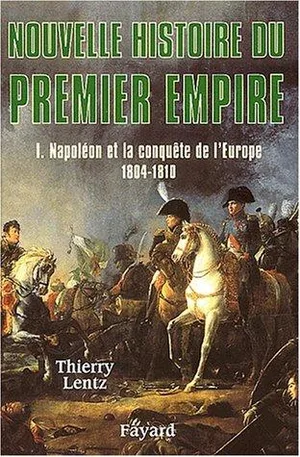
Nouvelle histoire du Premier Empire
Thierry Lentz · 2002-2010
Four reference volumes on institutions, diplomacy and collapse: the scholarly synthesis of the subject.
See on AmazonAs an Amazon Associate, this site earns from qualifying purchases.
Support the encyclopedia
Napoleon Empire is an independent project. Your contribution helps grow the content and keep the site running.
DonateSecure payment on the platform you choose.