Origins
Chasseurs à cheval prolonged eighteenth-century and Revolutionary light-cavalry traditions. Under the Empire many regiments bore that name and the army's screening role.
They must be distinguished from the Guard chasseurs à cheval, a separate elite unit. Here we mean the line chasseur regiments.
Their doctrine favoured mobility, squadron leaders' initiative and the ability to fight in small packets as well as in regimental charge.
Organisation
Regiments divided into squadrons, often attached to army corps for organic screening, or grouped in light-cavalry brigades.
Mounted strengths fluctuated with remounts and campaigns. After 1812 light cavalry particularly suffered from lack of fit horses.
On the march, chasseurs preceded or flanked columns; in bivouac they supplied patrols and outposts.
Uniform and armament
The green uniform — widely associated with the arm, with facing variants by regiment — and the shako (or period headdresses) defined a soberer silhouette than the pelisse-wearing hussar.
Light-cavalry sabre, pistols and carbine composed typical armament. Carbine fire served mainly outpost and skirmish; decision often remained with the sabre.
Lighter equipment and a livelier horse than the cuirassier's allowed speed of intervention — at the cost of less frontal shock power.
Tactics
Screen, engage, pursue: the classic light triad. Chasseurs sought information as much as trophies; a good patrol report could outweigh a brilliant charge.
In battle they covered flanks, exploited a rout, fought enemy light cavalry. Facing heavy cavalry or infantry in solid square, they avoided prolonged frontal shock.
Coordination with horse artillery and neighbouring hussars or lancers multiplied their effectiveness.
Battle honours
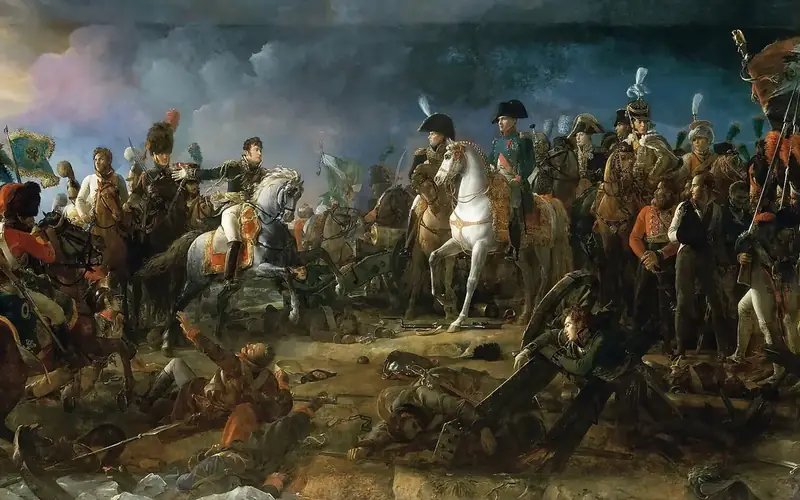
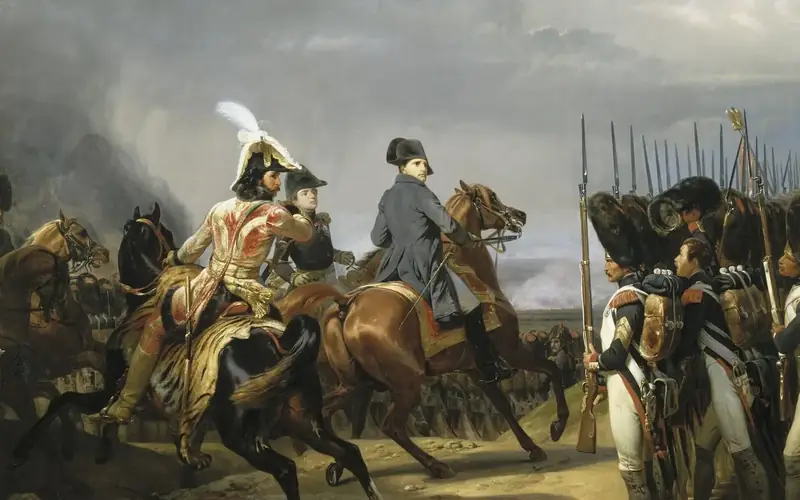
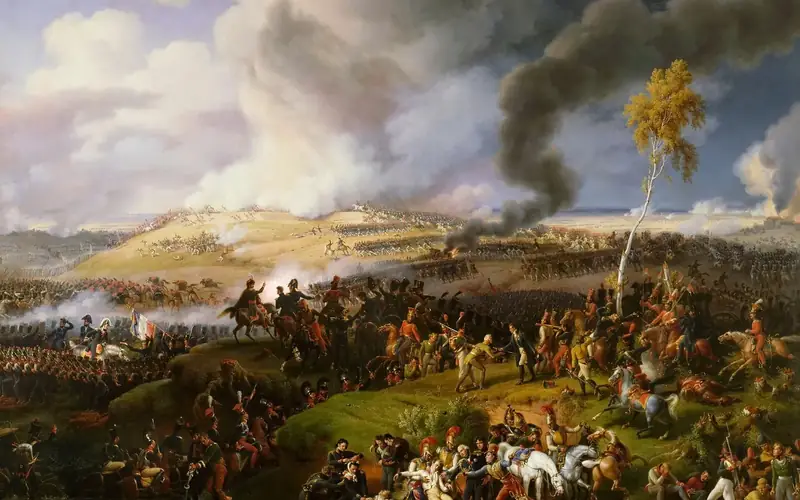
Present from Austerlitz and Jena in the cavalry order of battle, chasseurs à cheval multiplied van and rear-guard actions throughout the German campaigns.
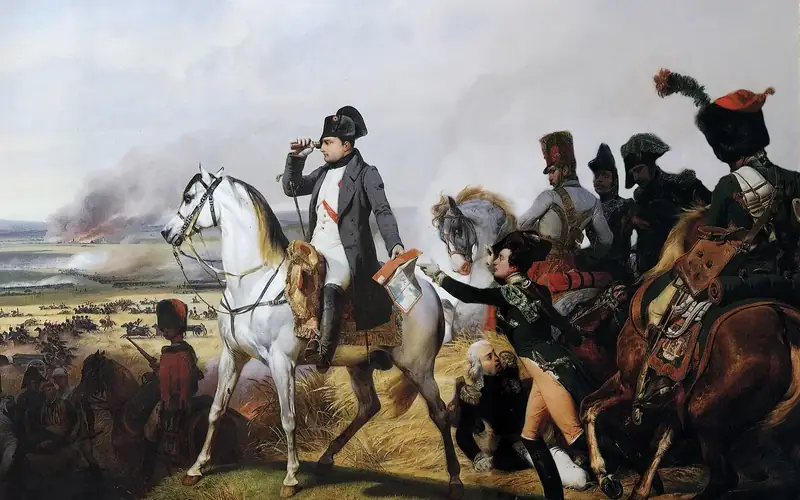
At Eylau and Wagram they took part in flank manoeuvres and pursuits. In Russia, screening became vital — and deadly — across the vastness and the retreat.
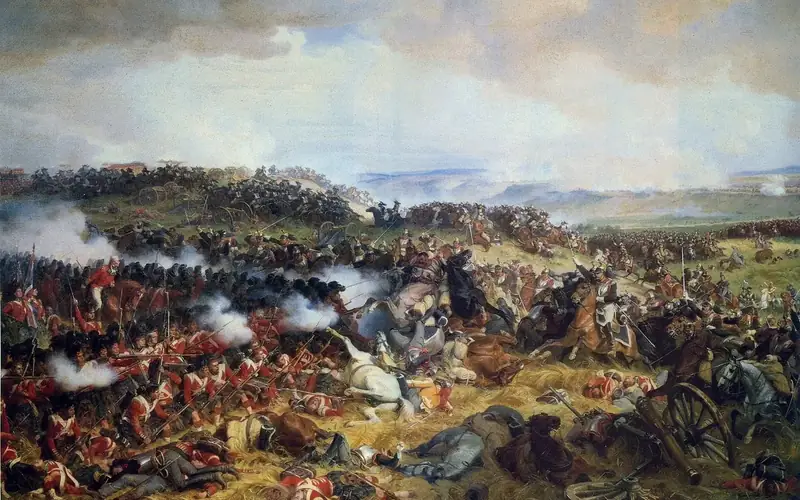
At Waterloo, French light cavalry, including chasseurs, engaged in a day when repeated charges did not suffice to win the decision.
Legacy
Chasseurs à cheval shaped the modern idea of "working" light cavalry: less theatrical than hussars, essential to an army's life in the field.
On Empire Napoléon they represent that silent majority of cavalry without which no strategic manoeuvre is possible.