Origins
The dragoon, historically a "mounted infantryman", kept a dual vocation under the Empire, even if mounted employment dominated in great battles. The arm fielded many regiments, making it one of the Grande Armée's largest cavalry masses.
Their status lay between heavy cavalry (cuirassiers) and light (chasseurs, hussars). That middle position explains the diversity of their missions.
Line dragoons must be distinguished from the Guard Dragoons (Empress's Dragoons), an elite corps treated elsewhere; here we address the army's dragoon regiments.
Organisation
Dragoon regiments organised in squadrons. Depending on the campaign, they appear in dragoon brigades within corps, or grouped for cavalry operations.
In Spain and Portugal, dragoon detachments were frequently used for escort, offensive reconnaissance and occupation — missions that wore men and horses outside famous "great days".
Mounted strengths varied sharply; remounts remained a chronic problem once campaigns followed one another.
Uniform and armament
Dragoon uniform — often associated with green tones by regiment and period — differed from hussar dress and heavy cuirasses. Crested helmet, boots and cavalry kit composed a recognisable silhouette.
They carried cavalry sabre, pistols, and often a carbine or musket suited to dismounted fighting. That ability to dismount, inheritance of their origin, remained an asset in siege and outpost war.
Full equipment weighed on the horse; balancing infantry armament and mounted mobility was an old dilemma of the arm.
Tactics
Mounted, dragoons charged in line or supported pursuit. On foot they could hold a point, support a siege or form a temporary firing line — without equalling well-trained line infantry.
In set-piece battle they exploited success, covered a flank or reinforced the cavalry mass. They did not replace cuirassiers as the ultimate shock reserve, but offered more flexibility.
In secondary theatres their versatility became central: few "medium" arms were so solicited for disparate tasks.
Battle honours
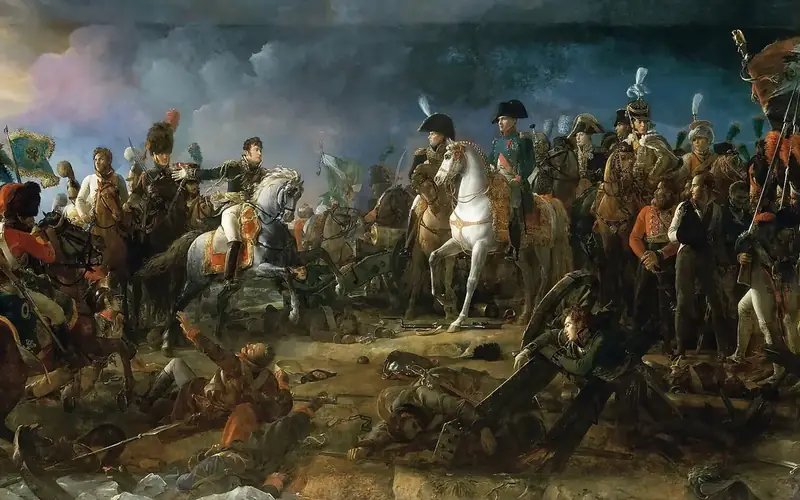
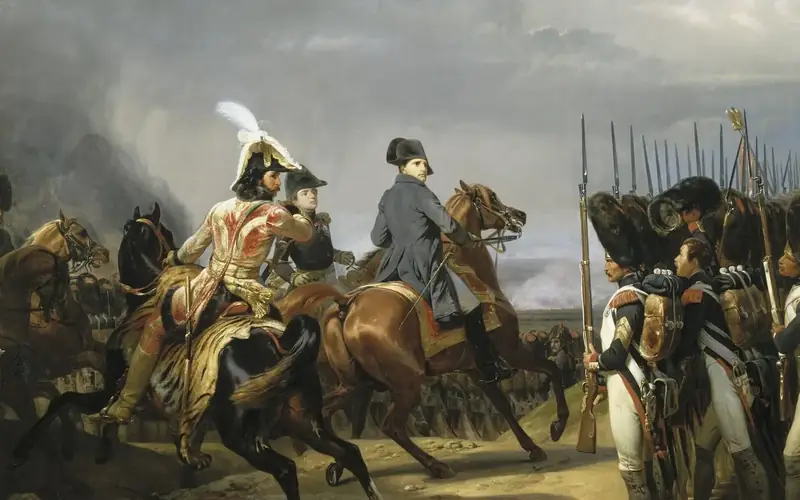
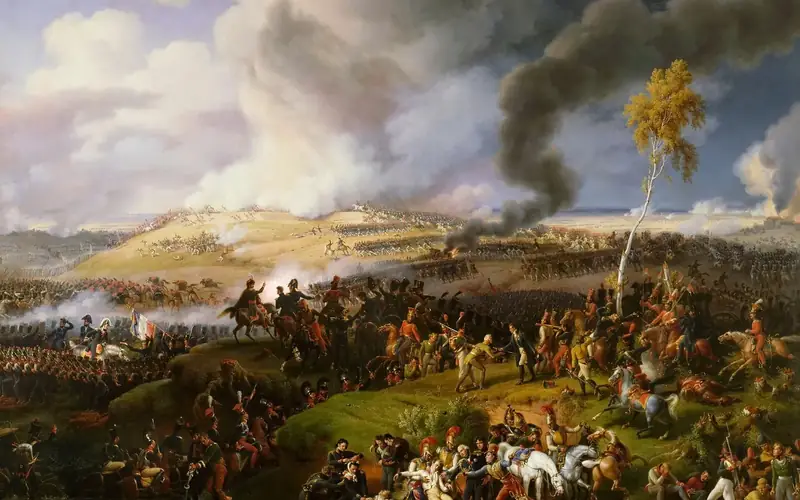
Dragoons took part in the Austerlitz, Jena and later German campaigns. Their presence in cavalry orders of battle was regular.
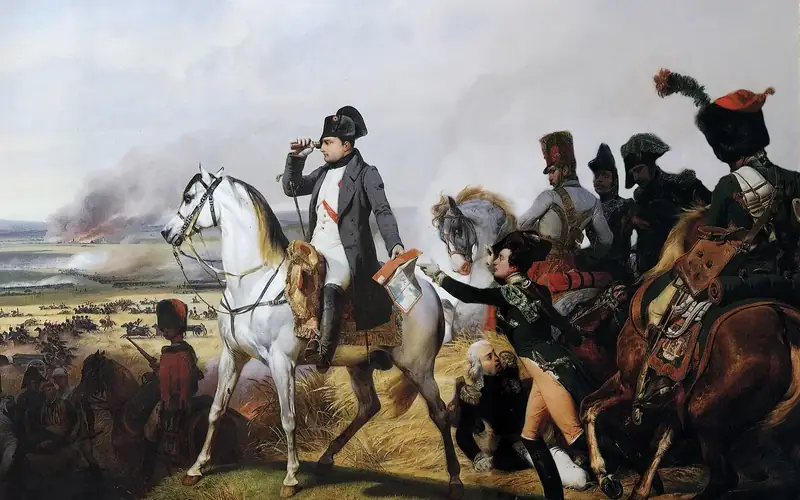
In Spain, dragoon regiments wore themselves out in a war of skirmishes and flying columns. At Wagram and in later campaigns they returned to the frame of Central European set-piece battles.
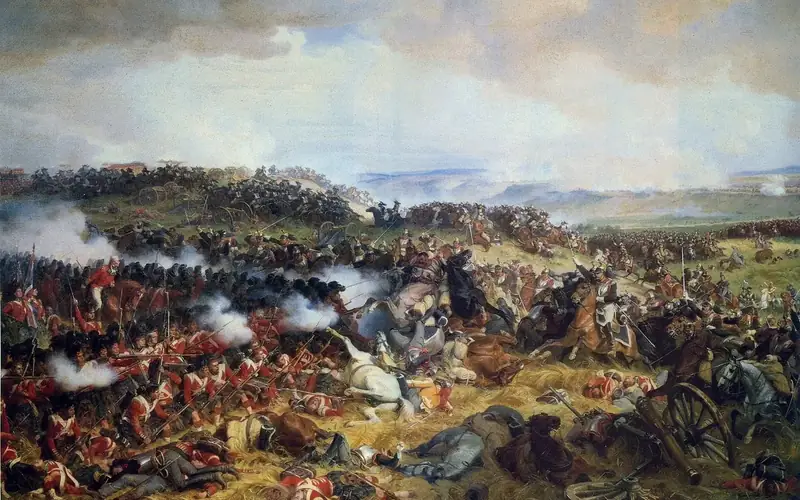
In 1812-1815, like all cavalry, they suffered horse loss and declining replacement quality. Waterloo still saw dragoons in the French order of battle, within an already tried cavalry.
Legacy
The Empire dragoon illustrates the tension between specialisation and versatility. Nineteenth-century armies long kept dragoon regiments of mixed vocation.
For Empire Napoléon they are the everyday cavalry of war — less mythologised than the hussars, more numerous, indispensable.