Hungarian and French origins
The hussar model came from Hungarian traditions spread across eighteenth-century Europe. France adopted the spectacular uniform and the role of elite light cavalry.
Under the Empire, several hussar regiments — in bright colours varying by number — formed a light-cavalry aristocracy, rivalling chasseurs à cheval in panache.
Esprit de corps exalted individual initiative, sometimes at the expense of prudence: period military literature echoes this, between admiration and criticism.
Organisation
Like other light horsemen, hussars organised in squadrons within regiments. They appear in corps vanguards or grouped under light-cavalry generals.
Strengths suffered the same remount constraints as the rest of the light arm. A hussar without a lively horse was no longer quite a hussar.
Uniform and small kit — cords, flounders, pelts — was more complex than the chasseur's; the commissariat knew it well.
Uniform and armament
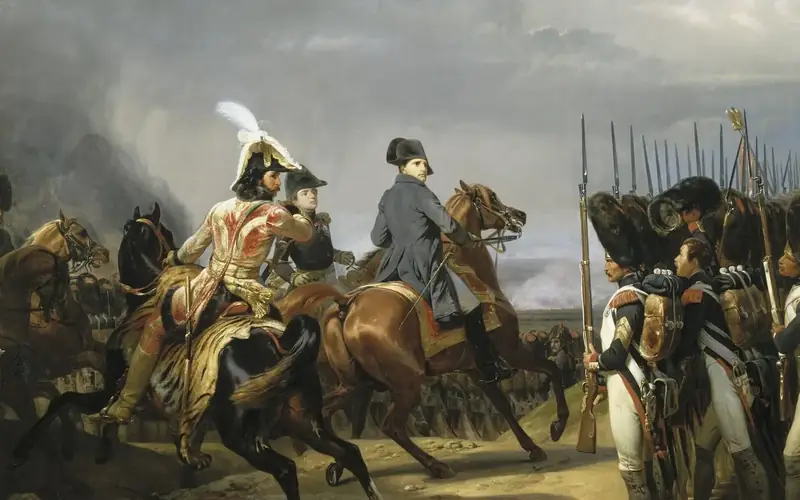
Fitted dolman, pelisse often worn as a cape, breeches, Hungarian-style boots, shako or colpack by period and regiment, sabretache: the whole aimed at splendour as much as use.
The curved hussar sabre favoured the cut in mounted combat. Pistols and sometimes a carbine completed armament. The lance was not their typical weapon — it belonged mainly to lancers.
This magnificence had a cost: hussar uniform was expensive, fragile in the field, and became a sought-after trophy.
Tactics
Offensive reconnaissance, convoy ambush, pursuit after rupture, duels with enemy light horse: the hussar lived in movement. The great set-piece charge was less his exclusive domain than heavy cavalry's.
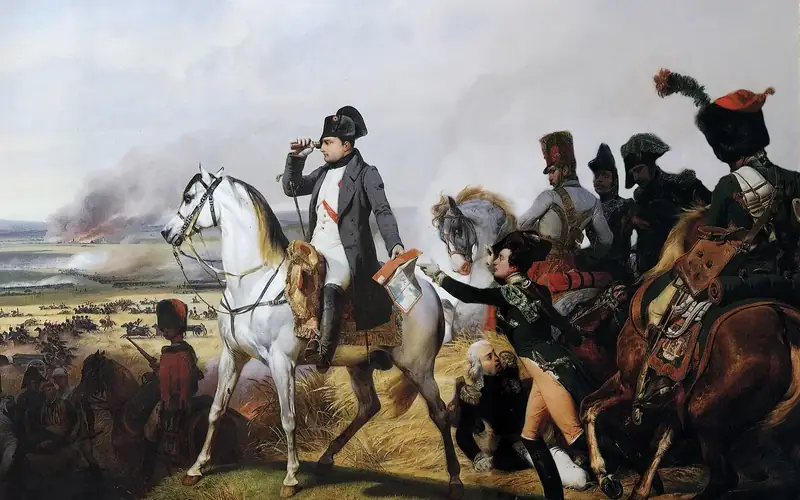
The best chiefs — Lasalle the emblematic figure — combined eye and speed. Lasalle's death at Wagram (6 July 1809) struck minds precisely because it embodied that exposed command style.
Facing lancers, the hussar had to manage lance reach before closing with the sabre; facing infantry in square, prudence was required.
Battle honours
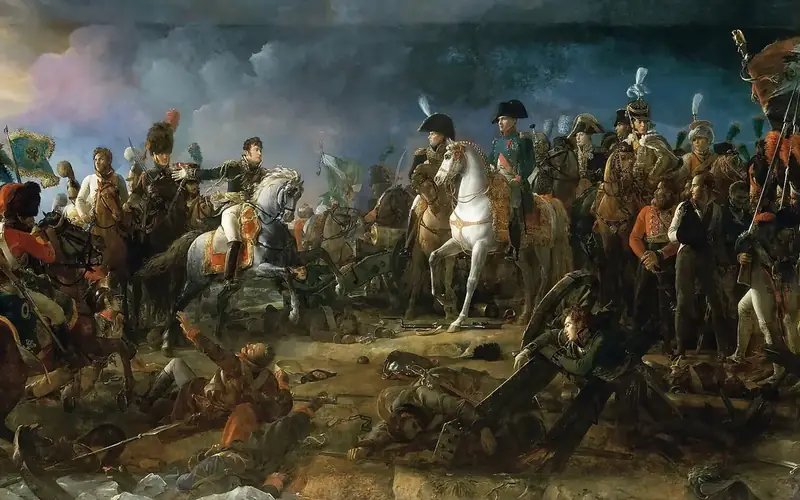
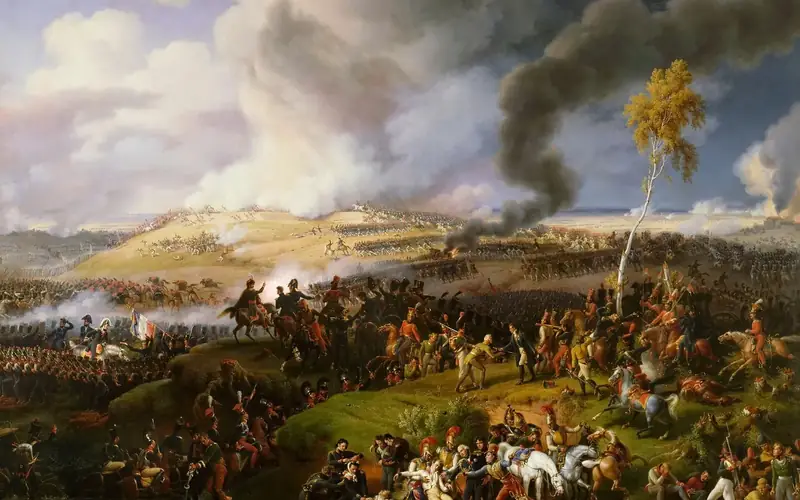
Hussars shone in the 1805-1809 campaigns, from Austerlitz to Wagram, multiplying coups de main and pursuits. Eylau saw them in the chaos of the winter day.
In Spain, guerrilla and column war showcased their mobility while wearing regiments down. In Russia, light cavalry paid a terrible toll in the retreat.
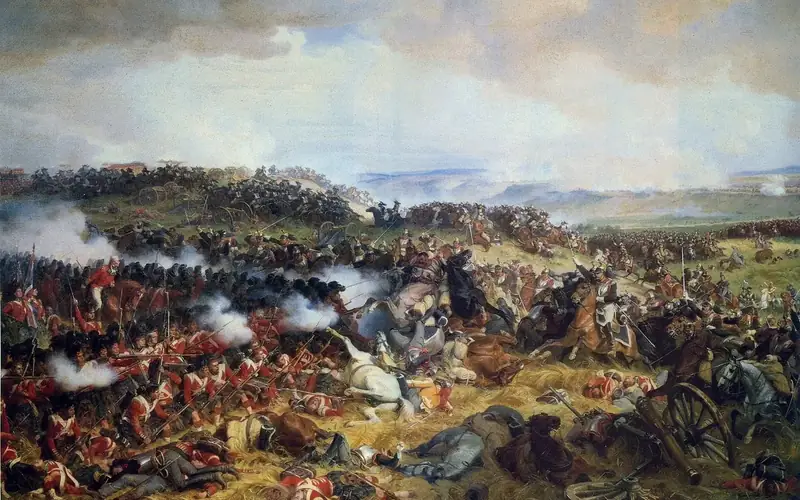
At Waterloo, French hussar elements took part in the battle's cavalry actions; the day turned despite light cavalry's dash.
Legacy
The Empire hussar became a romantic archetype of the horseman: panache, bravery, early death. Nineteenth-century opera, novels and painting seized on him.
For this site he remains light cavalry's most theatrical face — provided one does not forget the real trade of screener and pursuer.