Creation and place in the Guard
From the Consular Guard then the Imperial Guard (18 May 1804), elite artillery fielded horse companies able to follow Guard cavalry and support decisive attacks. It differed from Guard foot artillery and, still more, from line artillery.
Its prestige followed the Old Guard's: carefully kept matériel, experienced crews, priority in ammunition and horse supply.
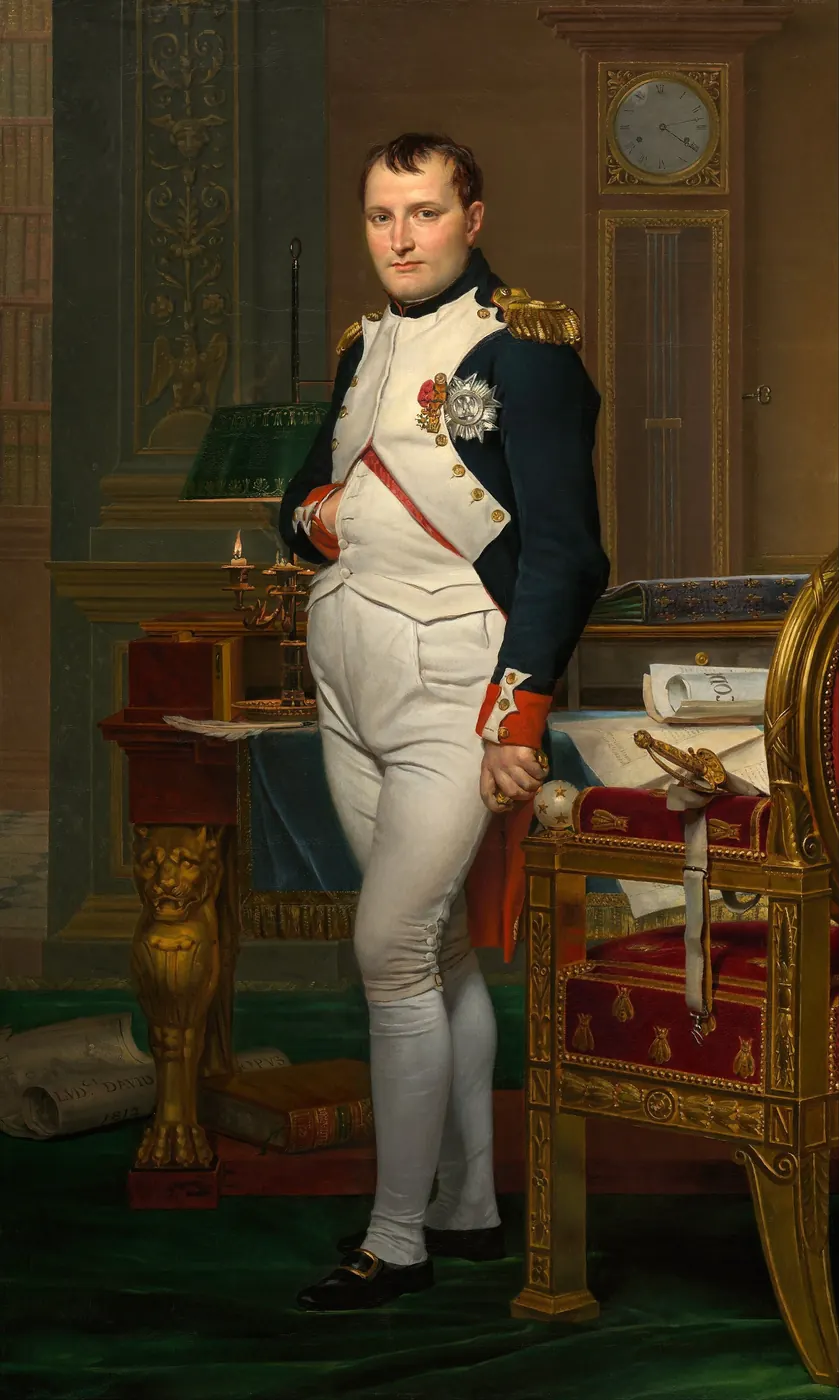
Napoleon, an artilleryman by training, paid particular attention to this arm; memoirs stress his eye for battery placement.
Organisation and matériel
Guard horse artillery organised in companies; numbers and composition evolved with Guard expansion through 1812-1814. Each piece was served by a trained crew, with draught horses and mounts for the gunners.
The Gribeauval system — standardisation of calibres and train — underpinned French artillery. Light field pieces (notably 4-, 6- or 8-pounders by issue and period) favoured mobility.
Exact piece counts at each battle vary by returns; the essence was the ability to concentrate elite fire quickly.
Drouot and command
Antoine Drouot (1774-1847), an artillery officer esteemed for fire science and modesty, became a central figure of Guard artillery. He embodied the learned officer more than the swordsman.
Under his influence and that of the arm's cadres, battery placement, timing and caisson management outweighed theatrical effect. At Waterloo, Drouot remained with Napoleon in decisions on Guard and artillery employment.
Other Guard artillery officers deserve mention by campaign; Drouot remains the name most associated with this excellence in collective memory.
Tactics
Horse artillery galloped to a point of the front, unlimbered, fired canister or roundshot by range, then moved before being taken under fire. That mobility made it ideal to support a cavalry charge or prepare an infantry attack.
Battery concentration — a principle dear to Napoleon — could create a "grand battery" whose fire prepared rupture. The Guard often supplied the quality core of such concentrations.
Limits remained those of all horse artillery: vulnerable teams, dependence on ammunition, muddy ground that fixed the wheels — Waterloo offers the example.
Battle honours
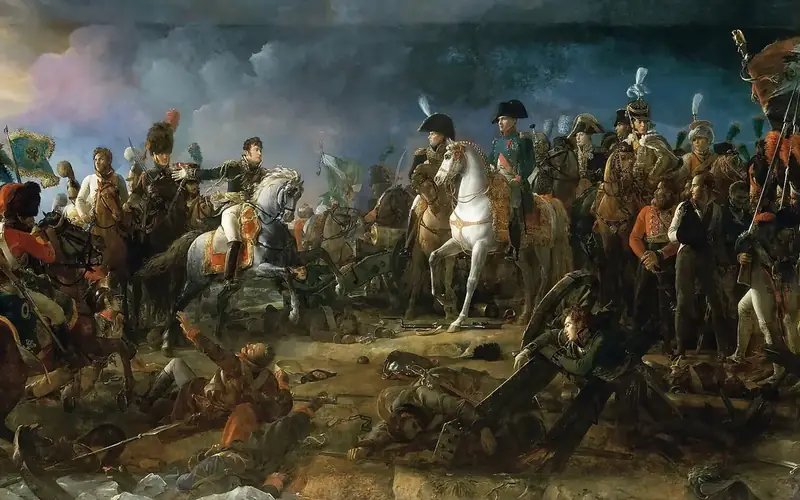
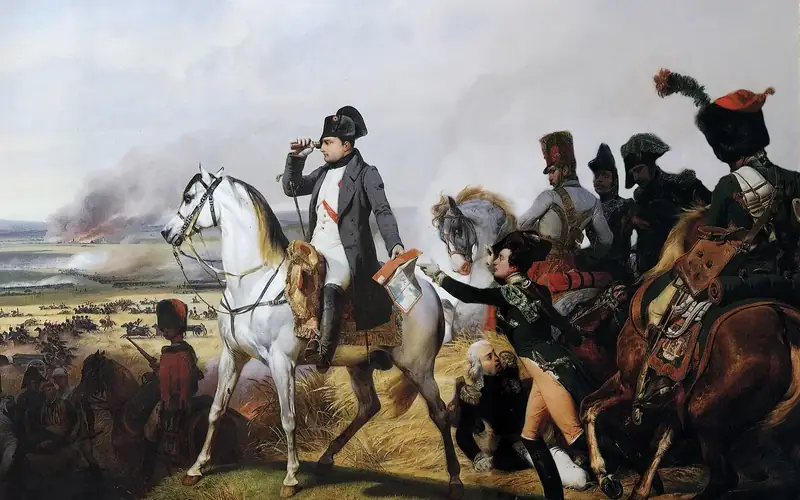
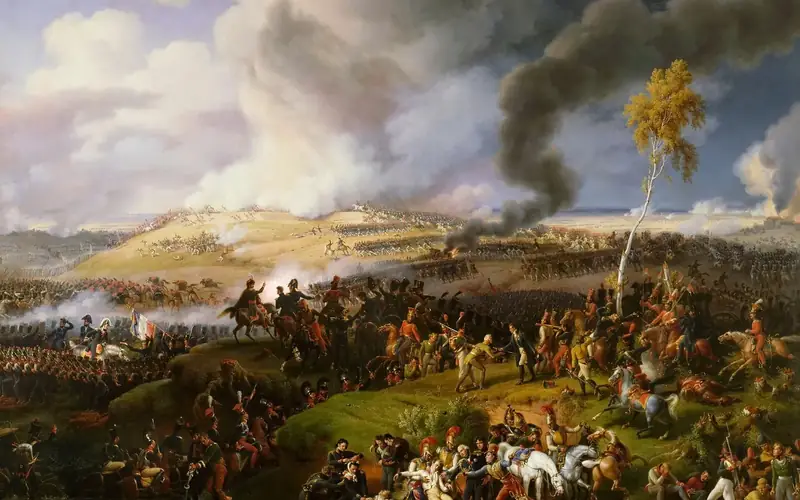
Present on the Empire's great days — Austerlitz, Eylau, Wagram, Borodino — Guard horse artillery supported moments when Napoleon played his reserve. At Eylau, fire and cavalry combined in the snowstorm.
In 1812 it followed the Guard to Moscow and suffered, like the rest of the army, in the retreat. In 1813-1814 it remained an asset on fields where quality sometimes offset numbers.
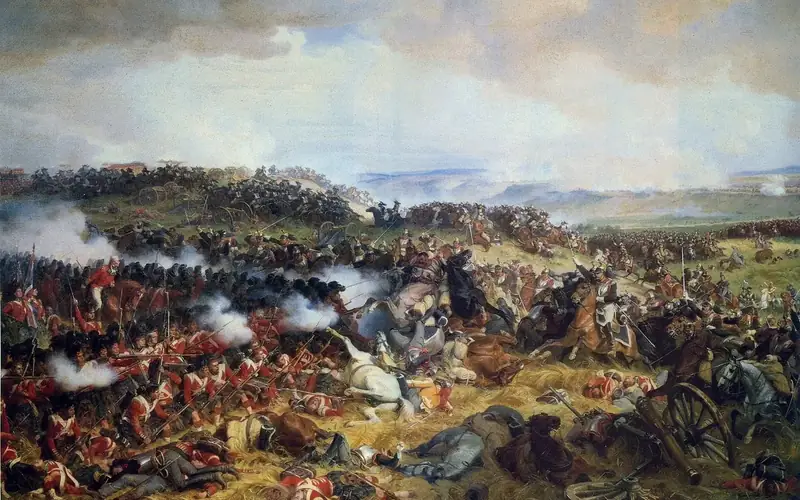
At Waterloo (18 June 1815), French artillery, Guard included, pounded Allied lines; ground state and enemy resistance limited exploitation. Defeat did not erase the arm's technical reputation.
Legacy
Guard horse artillery fixed the model of nineteenth-century mobile elite artillery. Drouot remains, in Napoleonic memory, the learned face of fire.
For Empire Napoléon it embodies precision in the service of decision — the Guard's most calculated armed arm.