He entered on 14 September 1812 a city emptied of its inhabitants, which burned the next day. Thirty-five days of waiting in the Kremlin, three letters to the Tsar, no answer: taking the capital does not make peace.
Historical context
A week after Borodino the army sighted the domes from the Sparrow Hills. But the expected delegation of notables never came: governor Rostopchin had had the city evacuated. Of three hundred thousand inhabitants perhaps fifteen thousand remained. Napoleon entered a silent capital on 14 September and installed himself in the Kremlin.
Fires began in the night of the 15th. The pumps had been removed or destroyed, freed convicts moved about with slow matches, the wind rose. In four days two thirds of the city, built of wood, disappeared. Napoleon had to leave the Kremlin through the flames and fall back on the Petrovsky palace. He cried barbarism; Rostopchin first denied, then claimed the deed.
Thirty-five days of immobility followed. He wrote three times to Alexander, sent Lauriston to Kutuzov, waited for a negotiation nothing announced. The Tsar had let it be known there would be no peace while a French soldier remained on Russian soil. Meanwhile the cavalry lost its horses, the army plundered, and winter drew near.
The departure came on 19 October. Thrown back onto the devastated Smolensk road after Maloyaroslavets, the army began the retreat that destroyed it: the cold, the Cossacks, the Berezina at the end of November. Of six hundred thousand men committed, a few tens of thousands recrossed the Niemen. Moscow is the victory that serves nothing — the demonstration that an empire is not taken by its capital.
Go further
Recommended books to dig deeper (affiliate links)
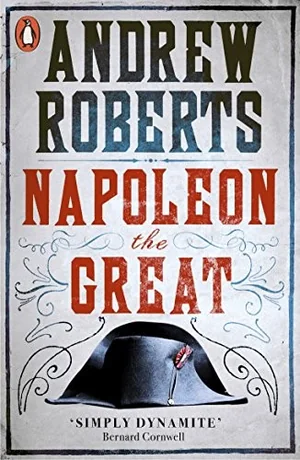
Napoleon the Great
Andrew Roberts · 2014
A monumental biography drawing on Napoleon’s 33,000 surviving letters, admiring but rigorous.
See on Amazon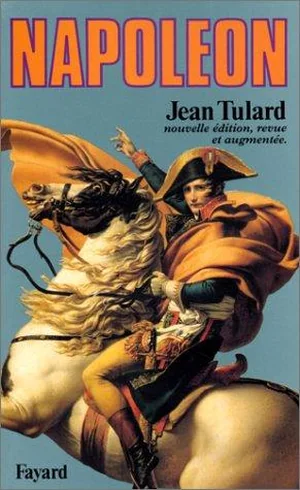
Napoléon ou le mythe du sauveur
Jean Tulard · 1977
The book that reshaped how the man is read: how France gave itself a saviour, and what it cost.
See on Amazon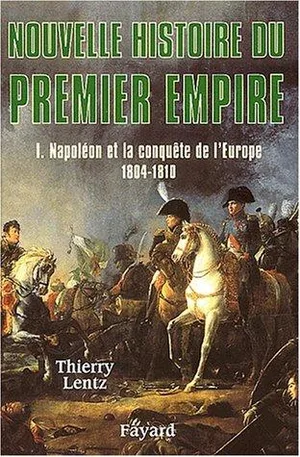
Nouvelle histoire du Premier Empire
Thierry Lentz · 2002-2010
Four reference volumes on institutions, diplomacy and collapse: the scholarly synthesis of the subject.
See on AmazonAs an Amazon Associate, this site earns from qualifying purchases.
Support the encyclopedia
Napoleon Empire is an independent project. Your contribution helps grow the content and keep the site running.
DonateSecure payment on the platform you choose.