On 2 May 1808 Madrid rose and Murat had men shot all night. Goya made two paintings of it; Spain made six years of war that would grind the Grande Armée to the bone.
Historical context
French troops had entered Madrid in March 1808, officially on their way to Portugal. When the royal family left for Bayonne, the city understood it had been dispossessed. On 2 May the crowd attacked the convoys taking away the last infantes; the rising spread to the Puerta del Sol, where the Guard's Mameluke cavalry charged.
The repression lasted all night. Hundreds of Madrileños were shot at the Moncloa and on the Príncipe Pío hill, on the orders of a military commission chaired by Murat. Goya would paint those two days in 1814, in the diptych of the Dos de mayo and the Tres de mayo: the charge and the firing squad, fury and administrative killing.
Joseph Bonaparte entered in July, had to flee three weeks later after Dupont's capitulation at Bailén, and returned only in December, when Napoleon retook the city in person. The Chamartín decrees abolished the Inquisition, feudal dues and two thirds of the convents: real reforms, imposed by an army of occupation, and therefore rejected along with it.
King Joseph, whom the Madrileños nicknamed Pepe Botella though he hardly drank, governed a hostile capital and opened up squares — the plaza de Oriente, the plaza de Santa Ana — which also earned him the nickname of king of the squares. He left Madrid for good after Vitoria, in June 1813. The Spanish war would cost the Empire more men than the Russian campaign.
Go further
Recommended books to dig deeper (affiliate links)
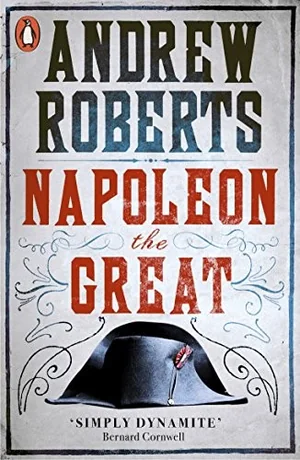
Napoleon the Great
Andrew Roberts · 2014
A monumental biography drawing on Napoleon’s 33,000 surviving letters, admiring but rigorous.
See on Amazon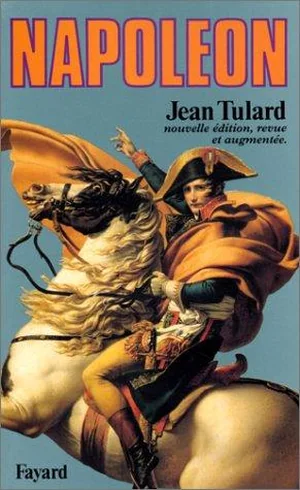
Napoléon ou le mythe du sauveur
Jean Tulard · 1977
The book that reshaped how the man is read: how France gave itself a saviour, and what it cost.
See on Amazon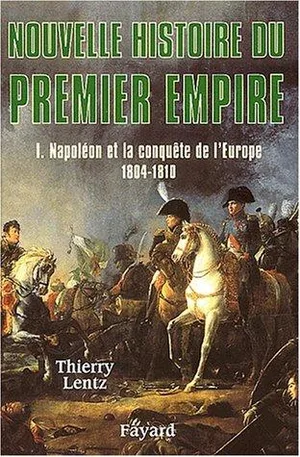
Nouvelle histoire du Premier Empire
Thierry Lentz · 2002-2010
Four reference volumes on institutions, diplomacy and collapse: the scholarly synthesis of the subject.
See on AmazonAs an Amazon Associate, this site earns from qualifying purchases.
Support the encyclopedia
Napoleon Empire is an independent project. Your contribution helps grow the content and keep the site running.
DonateSecure payment on the platform you choose.