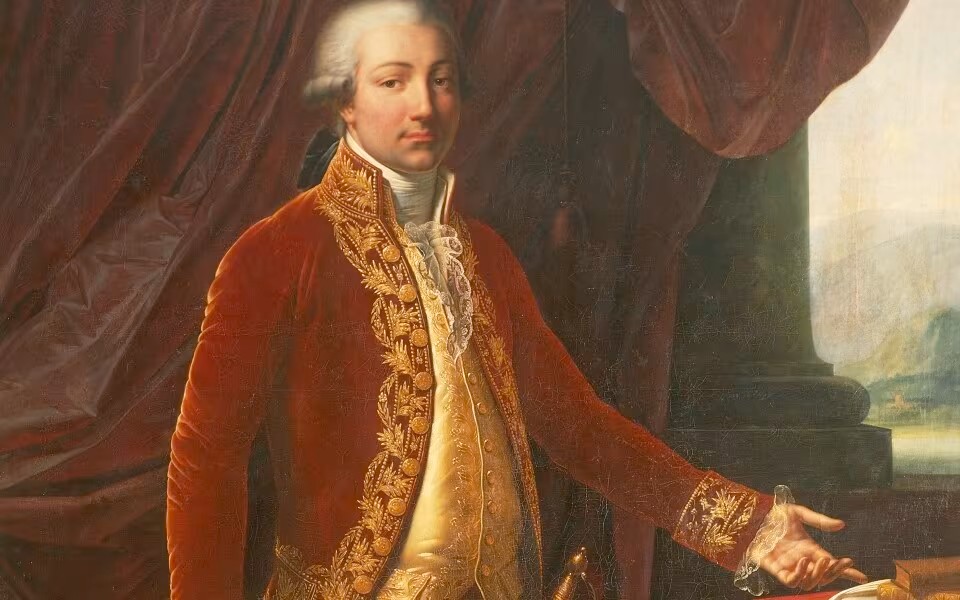
Carlo Maria Buonaparte, known as Charles-Marie, was born in Ajaccio in 1746 into a house claiming Tuscan nobility and fighting Genoa before swinging toward France. A law student in Rome and Pisa, placed under the guardianship of Archdeacon Lucien Buonaparte after his father's death in 1763, he married Letizia Ramolino in 1764 — notably under pressure from Pasquale Paoli — and became assessor at Ajaccio's royal jurisdiction, a voice in the consulte, then a firm supporter of the kingdom after Ponte Novo (1769). At Versailles in 1778-1779 he placed Joseph and Napoleon at Autun college before the younger boy moved to Brienne; continental stay debt gnawed at him. He died of a stomach tumour at Montpellier in 1785, leaving Letizia a widow with eight surviving children including Jerome, still an infant: the father absent from all imperial glory, yet the ancestor without whom the dynasty would not have taken shape.
Youth, the Archdeacon's Guardianship, and a Corsican Marriage
Charles-Marie Buonaparte was born in Ajaccio on 27 March 1746, in a Corsica still under the Republic of Genoa, son of Giuseppe Maria Buonaparte and Maria Saveria Paravicini. The family claimed Tuscan alliances and watched over its noble quarters — titles French genealogists would later scrutinise when proving to royal authorities that the Buonapartes deserved rank and favour. He studied in Rome and then at Pisa, where he absorbed jurisprudence and advocates' style; he was no idle gentleman, but a lawyer trained in texts.
In 1763 his father's death left him a minor under Old Regime law — majority was still far off. He passed into the guardianship of his paternal uncle Lucien Buonaparte, Archdeacon of Ajaccio: a tutelary figure who would matter in managing family property and the Milelli estate, and whose death in 1791 would deprive Letizia of precious support. That bond with island clergy shaped young Charles as much as the bar.
Under pressure from Pasquale Paoli — family tradition and historians agree on that political weight — he married Maria-Letizia Ramolino on 2 June 1764. She was about thirteen, he eighteen: a marriage in keeping with island custom and both houses' interests, but also a message of alliance in Paoli's game. The following years mingled children's deaths and births: a first son named Napoleone died in infancy in 1765; a daughter was born and did not survive; Joseph was born at Corte in January 1768; Napoleon was born in Ajaccio in August 1769, a few months after Corsica's effective entry into the French sphere.
Charles soon combined judicial offices: he was assessor at Ajaccio's royal jurisdiction — a post that anchored him in the kingdom's machinery while keeping him on Corsican ground. He drafted, pleaded, negotiated with notables; his pen also served the island cause when the consulta debated collective fate. Letizia, still an adolescent, went from one childbirth to the next; the household was large, budgets tight, the future uncertain.
The outlines of the father's character already emerged for witnesses: demanding about rank, concerned with education, sometimes absent for debt and missions away from the island — traits the Bonaparte brothers would recall in memoirs when, as ministers and kings, they measured what they owed to the man who would never see their titles.
Genoa, Paoli, Ponte Novo, and Rallying to France
Charles Bonaparte appears among those who fired resistance against Genoese overlordship: he is seen fighting in the Corsican war of independence he helped kindle. At the extraordinary consulta where submission to France was debated, he delivered a speech celebrating the courage of peoples who wish to remain free — a flash of eloquence handed down by patriotic memory and nineteenth-century accounts.
He was close to Paoli, esteemed by compatriots; he drafted memoranda, joined debate, frequented political as much as scholarly circles. But when Louis XV bought the island from Genoa in 1768 and royal troops landed, the stakes changed. Charles advised Paoli against the direct clash that in May 1769 led to defeat at Ponte Novo. The Corsican leader's retreat and the exile that followed were no longer merely military: they marked the end of an immediate independence dream.
Refusing exile in Italy with Paoli, Charles and Letizia fled through the maquis with little Joseph — an episode etched in family legend as the Bonapartes' initiation into the harshness of mountain tracks. When Paoli left for England, the family chose the French side. This was not frivolity: it was the wager that integration into the kingdom would preserve property, status, and the children's future, at the price of new loyalty to Versailles.
Count Charles-Louis de Marbeuf, governor of Corsica, became a familiar of the household — intimacy was such that rumour and chroniclers stressed his ties with Letizia. For French authorities, Charles embodied the cooperative notable to be promoted: noble quarters certified by genealogists let him sit among noble deputies at the general assembly of the États de Corse, summoned at Bastia from 11 May to 23 July 1777.
On 9 June 1778 he stood for election as one of the twelve representatives of Corsican nobility to the King's commissioners — a post that would have tied him two months a year to running the island. He failed; the setback did not remove him from play: he remained the man of networks and pen, at ease in assemblies and in memoranda to power.
Versailles, Debt, and the Kingdom's Schools for the Elders
On 15 December 1778 Charles left for Versailles. Louis XVI received him in audience; a first meeting with the sovereign is dated to 1776 in some accounts — the detail belongs to court narrative, but the core is entry into royal ceremonial and political visibility. The journey was not free honour: it also opened the door to Parisian spending, travel, presentation gifts — lines on the ledger of an already strained estate.
It was then that he placed his elder sons at Autun college — an institution later named Lycée Bonaparte. Three months later young Napoleon was transferred to the royal military school at Brienne-le-Château in the Aube: a decisive turn toward a military career, while Joseph stayed on a more civilian path. The father's stated aim was to secure his children's future in a Corsica now French, inserting them into continental nobilities of robe and sword.
Charles's visits to his sons in France were rare; Letizia too saw the younger boy only occasionally. Geographic and financial distance marked the future emperor and king's childhood: not neglect, but the logic of a family banking on royal boarding and patronage rather than daily presence. In parallel, daughters — Élisa notably — gained access through Marbeuf to institutions such as the royal house of Saint-Cyr, proof that Charles and the governor thought ascent beyond the Ajaccio bar alone.
Back in Corsica, Charles continued local offices and managed patrimonial interests that never ceased to worry him. Debts from the Versailles and Paris stay pursued him; they fed marital tension and the reputation of a brilliant but financially fragile man — a theme adult brothers would acknowledge with varying indulgence according to period and interest.
Death at Montpellier, Transfers of Remains, and Imperial Memory
At the end of 1784 Charles suffered vomiting and stomach pain; he had to restrict his diet. He chose Montpellier, home to a renowned medical faculty and experienced physicians. On 24 February 1785, feeling death near, he called a priest and died in lodgings on what is now the rue du Cheval-Vert. Autopsy described a large tumour at the stomach outlet and a liver swollen with bile — material confirmation of a fatal disease well beyond mere "vapours".
He was thirty-eight. Jerome, the last son, had been born in November 1784: the father had known this baby a few months — the only son with no direct memory of him. Letizia, thirty-four or thirty-five by registers, shouldered the children alone; the archdeacon uncle supported her until 1791. Napoleon was fifteen, Joseph seventeen: no glory on the horizon, only mourning, debt, and the approaching shadow of the Revolution.
Charles was first buried at Montpellier in the Cordeliers' vaults of the Observance. In 1803 Louis Bonaparte transferred his ashes to the chapel of the Château de Saint-Leu; in 1819 the Prince of Condé moved them to the crypt of the church at Saint-Leu-la-Forêt. Only in 1951 did they reach the imperial chapel at Ajaccio beside Letizia — a funerary journey that followed political and family shifts as much as filial piety.
The full-length portrait commissioned in 1802 from Girodet by Lucien — the painting is lost today, known through copies including one at Versailles and another at Ajaccio — reconstructed a father poorly fixed by period painting and miniatures; Madame Mère supplied the indications. The image of the Corsican gentleman in États dress, sword at hip, became a landmark for legend: not a witness of the coronation, but the link between the island and Europe's thrones.
Napoleon would seldom evoke his father with the same warmth as his mother; Josephine, joining the clan in 1796, met only a name and portraits. Marie Louise and the King of Rome inherited an abstract ancestor, useful to official genealogy. For the historian, Charles Bonaparte remains the strategist lawyer who wagered on France, placed his sons in the King's schools, and vanished before Brumaire — a discreet yet structuring figure, debt and pride in his family's memoirs.
Discover other characters
Letizia Bonaparte
Madame Mère
Napoleon Bonaparte
Emperor of the French
Joseph Bonaparte
King of Naples, then of Spain
Lucien Bonaparte
French prince
Louis Bonaparte
King of Holland
Jerome Bonaparte
King of Westphalia
Go further
Recommended books to dig deeper (affiliate links)
Napoleon the Great
Andrew Roberts · 2014
A monumental biography drawing on Napoleon’s 33,000 surviving letters, admiring but rigorous.
See on Amazon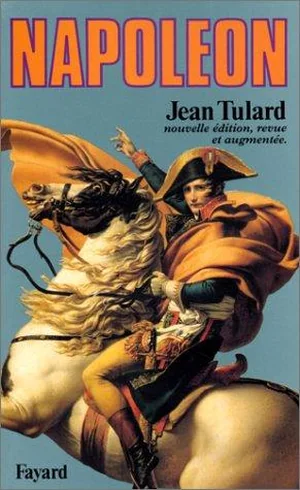
Napoléon ou le mythe du sauveur
Jean Tulard · 1977
The book that reshaped how the man is read: how France gave itself a saviour, and what it cost.
See on Amazon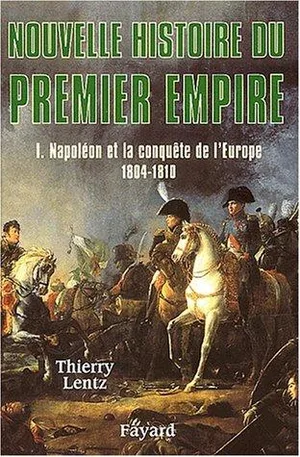
Nouvelle histoire du Premier Empire
Thierry Lentz · 2002-2010
Four reference volumes on institutions, diplomacy and collapse: the scholarly synthesis of the subject.
See on AmazonAs an Amazon Associate, this site earns from qualifying purchases.
Support the encyclopedia
Napoleon Empire is an independent project. Your contribution helps grow the content and keep the site running.
DonateSecure payment on the platform you choose.