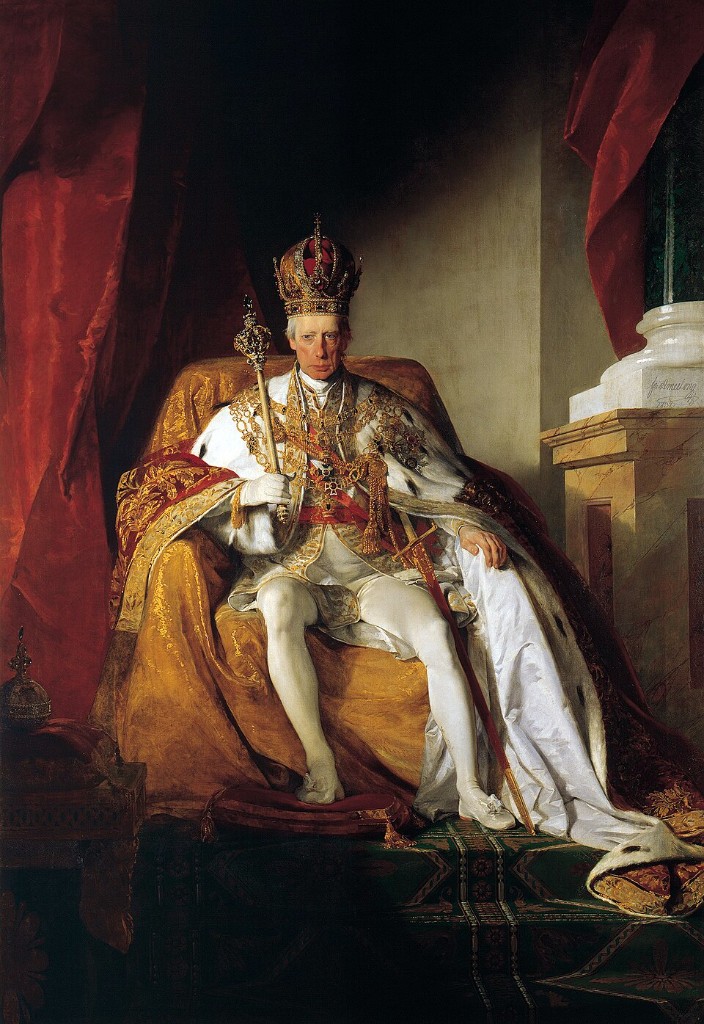
Francis of Habsburg-Lorraine (12 February 1768 Florence-2 March 1835 Vienna) bore two dynastic numbers: Francis II, last elected emperor of the Holy Roman Empire (1792-1806), then Francis I, first hereditary Emperor of Austria (1804-1835). Raised in the baroque and cameral continuity of Maria Theresa and Joseph II, he came to the throne amid revolutionary storm: Republican France became the systematic foe of Vienna’s cabinets while coalition wars redrew Germany and Italy. The young emperor soon learned the gap between imperial ceremony and army reality: Valmy, then French successes in Italy and Germany imposed costly peace — Campo Formio, Lunéville, Pressburg. Bonaparte then Napoleon I embodied for him the double face of military genius and title-shaker: each French victory shaved a province, fortress, recruiting route. In 1805 the Third Coalition brought Austrians and Russians together; Austerlitz broke the imperial army on Moravia’s frozen lakes and hastened the Treaty of Pressburg, which durably amputated Habsburg Italian and German holdings. Facing the Confederation of the Rhine, Francis II renounced the Holy Roman crown in August 1806 to avoid juridical vassalage to Napoleon: the medieval title vanished; the Austrian Empire, proclaimed in 1804, became the modern frame of Habsburg sovereignty. The 1809 war to Wagram and Treaty of Schönbrunn finished humbling Vienna before forcing matrimonial alliance: in 1810 Archduchess Marie Louise married the Emperor of the French — survival pact for Austria, monarchical title for Bonaparte, irony noted by every court. From 1813, after Napoleon’s Russian failure, Francis joined the Sixth Coalition; Leipzig then entry into Paris in 1814 restored the Habsburgs as European arbiters at the Congress of Vienna. The last twenty years of reign mixed polished bureaucracy, repression of nascent liberalism and multinational consolidation; at his death the empire passed to Ferdinand I in already tense climate. For Empire Napoléon Francis embodies the adversary who sacrificed Holy Empire symbol to save dynastic substance, bargained by marriage without letting the Napoleonic myth absorb him, then closed the continental trap with long-game patience.
Florence, Vienna and the Lorraine-Habsburg Legacy
Born in Florence in 1768, son of Emperor Leopold II — then Grand Duke of Tuscany — and Maria Luisa of Spain, Francis belonged to a lineage where throne conjugated with public law of scattered patrimonies. His childhood mixed humanities schooling, court religion, horsemanship and observation of fiscal mechanisms inherited from Joseph II: rationalised administrations, Baroque piety, mistrust of imported Jacobinism. His father’s accession to the imperial throne in 1790 drew him toward Vienna’s centre of gravity; Leopold’s premature death in 1792 thrust the young man onto dual archducal and imperial charge.
Francis had neither Joseph II’s systematic reforming spirit nor a legendary sovereign’s theatrical charisma: he is often described as reserved, methodical, capable of long work sessions with counsellors he barely let dominate. That bearing matched survival strategy: as ideas of 1789 circulated in German and Czech, the emperor embodied legitimist continuity without skipping open counter-revolution that would blow provinces apart.
Early reign years coincided with Louis XVI’s execution and French radicalisation: Austria entered war in the name of « legitimacy » and Rhine frontier safety. Valmy in September 1792 was not total tactical rout for coalitions, but it symbolised Republican resistance and imposed conflict duration imperial finances struggled to sustain. Francis discovered Habsburg armies, though reputed, suffered divided command and less flexible recruitment than French mass levy.
Bonaparte’s Italian campaigns then Treaty of Campo Formio (1797) tore Lombard positions from the Habsburg monarchy and laid bases of Italian reorganisation favourable to Paris. Francis read those clauses as temporary amputation to buy back with a new coalition; he sometimes underestimated how fast the Corsican general turned local victories into state architecture.
The Second Coalition saw the emperor still bet on classic strategy: Austrian and Russian armies converged on Switzerland and northern Italy. Marengo (1800) and Hohenlinden (1800) finished inverting the balance; Treaty of Lunéville confirmed territorial losses and French pre-eminence in western Germany. For Francis the lesson was clear: while Bonaparte directed operations, traditional chancellery diplomacy did not suffice — army reform, information centralisation, accepting symbolic sacrifices to preserve Maria Theresa’s core inheritance were needed.
Third Coalition and Austerlitz: The Empire of Titles Falters
In 1804, even before Holy Empire dissolution, Francis proclaimed the Austrian Empire: double crown in one sovereign, juridical answer to Bonaparte’s elevation to French imperial title. The gesture aimed to preserve Habsburg « august » dignity facing an emperor elected by plebiscite and senatus-consulte; it also testified to modernising the state frame, less dependent on Reich medieval institutions.
The 1805 Third Coalition assembled Russians, Austrians and British in mixed maritime and continental logic. Operations accelerated in Bavaria and Moravia; Napoleon, master of tempo, forced the enemy to battle where Russian cavalry and Austrian infantry struggled to coordinate. On 2 December 1805 Austerlitz — « battle of three emperors » in collective memory — broke the allied centre and imposed humiliating capitulation.
Francis, present in the region without directing fire in Napoleonic sense, had to swallow Treaty of Pressburg: losses in South Tyrol, Venetia, southern Germany; confirmation of rise of German states clients of Paris. The emperor displayed public stoicism of supreme clerk; privately court noted contained anger and will not to let Austrian staff scatter reserves in minor tactical gains again.
Historians stress Austerlitz accelerated Holy Empire crisis: German princes, now drawn to Confederation of the Rhine, sought Napoleonic protection against weakened Vienna. Francis understood he could no longer hold elected imperial crown and effective defence of hereditary Austria simultaneously: he had to cut before Napoleon cut for him.
For Empire Napoléon this phase fixes image of methodical Habsburg laid low by French execution genius; for Vienna it inaugurated military reform culture — Archduke Charles became symbol of that moulting even if court friction sometimes delayed applying battlefield lessons.
1806: Imperial Renunciation and the Confederation of the Rhine
On 6 August 1806 Francis II laid down the crown of the Holy Roman Empire: juridical act of immense symbolic scope, presented as voluntary liberation of the « German body » as much as defensive strategy. Napoleon had structured Confederation of the Rhine under French protectorate; remaining elected emperor risked title confiscation by decree or military defeat. By renouncing, Francis preserved dynastic moral integrity while abandoning an untenable medieval frame.
The same sovereign continued as Francis I of Austria, title proclaimed two years earlier: personal continuity, institutional rupture. European chancelleries decoded the message: Habsburg centre of gravity refocused on hereditary patrimonies — Austria, Bohemia, Galicia, remaining Lombardy — and diplomacy had to compose with Paris without resigning to vassalage.
Years 1806-1808 saw Austria rebuild alliances and watch Spanish war, which distracted part of French forces. Francis hesitated between relaunching preventive war and consolidating state fiscally; war faction won in 1809, fed by hope of Spanish national rising and Prussian revolt — hopes partly disappointed.
The 1809 campaign mixed local Austrian victories — Aspern-Essling on the Danube — and decisive defeat at Wagram: second demonstration that Napoleon, even caught short, kept operational advantage when battle joined on plain. Treaty of Schönbrunn amputated the country again: territorial cessions, indemnities, military limits. Francis had to swallow peace making Austria a secondary power forced to prudence.
Domestically the emperor tightened censorship, watched student secret societies and gripped control of military nobility. This was not enlightened reformer profile but monarch who believed survival passed through corps discipline and confessional loyalty — theme reappearing at Congress of Vienna under other trappings.
1810: Marie Louise, Empress of the French — Alliance and Calculation
Facing 1809 military failure Vienna’s cabinet chose matrimonial path: Archduchess Marie Louise, Francis’s daughter, married Napoleon I in Paris on 1 April 1810 — civil then religious ceremony, court pomp mixed with cold geopolitics. For Francis it was not dynastic « affection » toward the Corsican become emperor: it was breathing pact avoiding immediate new invasion and giving Austria a son-in-law whose prestige might temporarily stabilise continental Europe.
For Napoleon marriage to a Habsburg archduchess brought monarchical warranty Joséphine could no longer lend: legitimate descent, implicit court recognition, bridge toward Russia and Prussia in reason-of-state marriage logic. Caricaturists and memorialists ironised: traditionalist Francis gave an empress to the regicide become King of Rome; irony masked shared lucidity — both sides knew alliance was revocable.
Marie Louise, raised in piety and palatial discipline, within months became pivot of French imperial system: birth of King of Rome in 1811 sealed Napoleonic hope of lineage; for her father it was guarantee of discreet influence in Paris through embassies and Austrian household staff. Francis read dispatches with banker reading balance attention: each distant French victory could become risk for Vienna’s desired balance.
Georges Rouget’s canvas on the marriage fixed for posterity image of packed cathedral, officers in dazzling uniforms, French emperor in solemn gesture and young archduchess veiled in white: spectacle of dynastic consent. Behind stage negotiators had discussed dowries, titles, ranks at Vienna court for minor Bonapartes — details recalling treaty heart was juridical.
Between 1810 and 1812 Austria held armed neutrality that was not indifference: Francis let Napoleon borrow roads and subsistence for Russian campaign while discreetly rebuilding regiments. As Grand Army thawed in retreat Vienna watched: moment to rejoin coalition approached without sovereign yet openly breaking with son-in-law.
1813-1815: Sixth Coalition, Paris and Congress of Vienna
In 1813 after Russian disaster Austria officially joined Sixth Coalition alongside Russia, reborn Prussia and United Kingdom. Francis did not lead armies in field like Charles or Schwarzenberg as permanent spearhead, but arbitrated war and peace decisions with Metternich: mix of Catholic prudence, raison d’état and fear of Prussian liberalism as much as French militarism.
Leipzig in October 1813 became « battle of nations » where hundreds of thousands clashed; Austrian forces held honourable share of allied deployment. Napoleon’s fall on Rhine then in France accelerated; March-April 1814 coalitions entered Paris. Francis negotiated son-in-law’s fate with protocol coldness: abdication, Elba, partial preservation of French imperial dynasty in treaty margins — balance between kings’ vengeance and fear of revolutionary void.
Marie Louise received Parma or Italian compensations by diplomatic game phases; King of Rome remained hostage of titles and future alliances. Francis saw to it his daughter was not mere human trophy: private correspondence, filtered by historiography, showed father mindful of archduchess status even when politics forced public concessions.
Congress of Vienna restored Habsburgs to centre of restored European system: Lombardy-Venetia, influence in southern Germany, presence in central Italy. Francis saw compensation for Napoleonic years: Holy Empire had vanished but Austrian Empire emerged enlarged and structured as police power of revolutionary ideas. Holy Alliance, carried by Alexander I, found conservative support in Francis without as flamboyant mystique.
Hundred Days forced brief remobilisation; Waterloo finished Napoleonic cycle. For Empire Napoléon this sequence shows Habsburg able to use marriage and coalition successively: family alliance had not prevented total war when dynastic interest commanded.
Restoration, Bureaucracy and End of Reign
The last thirty years of Francis I’s reign — especially after 1815 — are often described as long « cabinet government »: sovereign presided, signed, controlled; Metternich and high administration bore daily weight of decisions. The emperor mistrusted Italian and German nationalisms, tightened press screw, encouraged moral police compatible with restoration of Italian and German princes clients of Vienna.
Dynastically succession question haunted him: son Ferdinand I had handicaps complicating transmission; cadet archdukes, secondary marriages and family endowments took growing share of imperial time. Francis appeared increasingly as guardian of multilingual patrimony — German, Czech, Hungarian, Italian, Polish — no liberal constitution should weaken in his view.
References to Napoleonic era did not vanish: former Austrian officers still compared youth manoeuvres to Wagram campaigns; public finances bore trace of indemnities and loans. Francis refused cult of Austerlitz victor but did not erase strategic memory: military archives were reorganised to build more professional staff culture.
In 1835, exhausted by age and perhaps fifty years uninterrupted responsibility, Francis died in Vienna. His burial celebrated Habsburg continuity in ceremonial mixing Baroque and empire classicism. Liberal Europe criticised him as reaction symbol; Austrian provincial élites saw guarantor of order after Napoleonic tremor.
For Empire Napoléon Francis II-I remains inverse figure of conqueror: he who yielded millennial title to save substance, who gave a daughter to Emperor of French without moral annexation, and who closed nineteenth-century Europe on restoration whose cracks would burst after his death.
Discover other characters
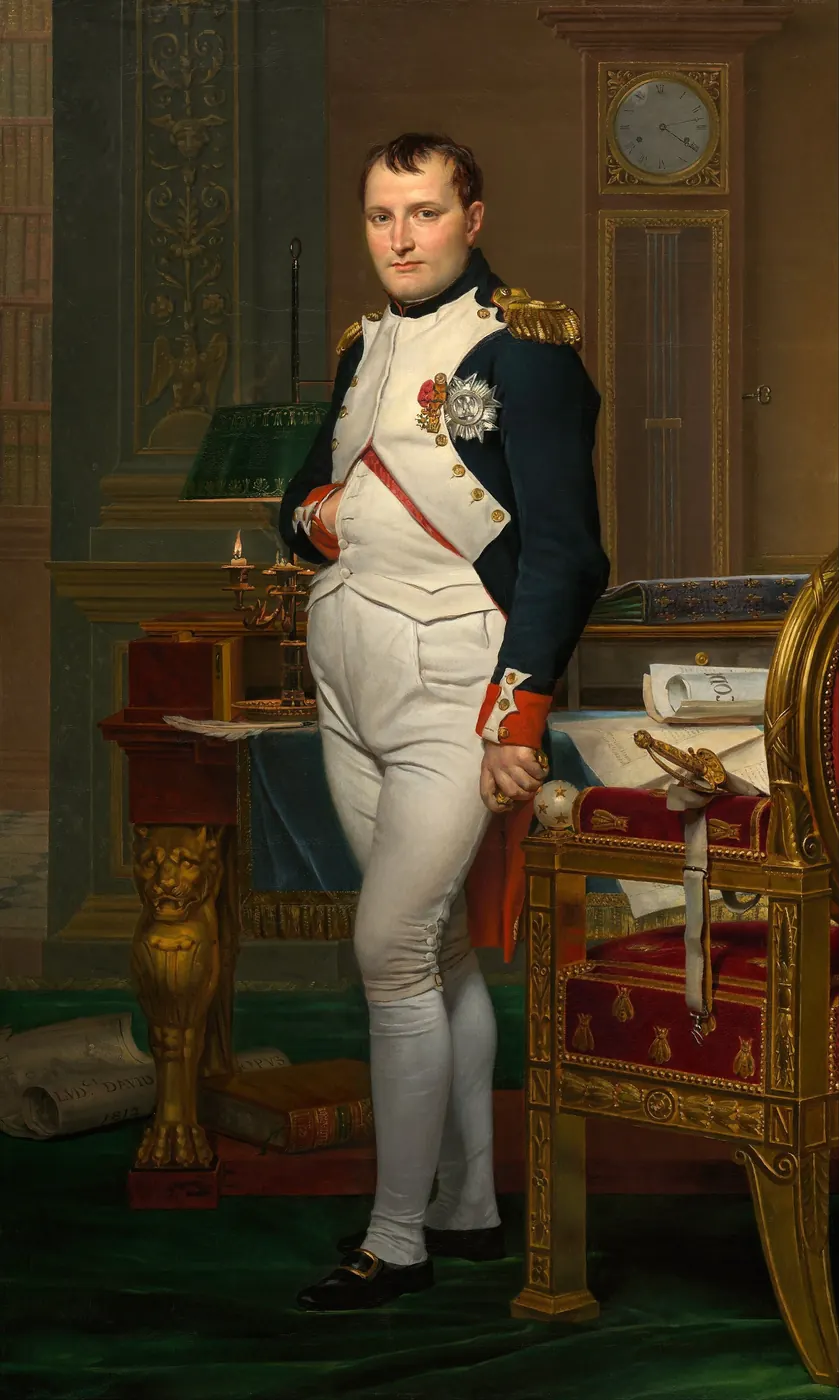
Napoleon Bonaparte
Emperor of the French
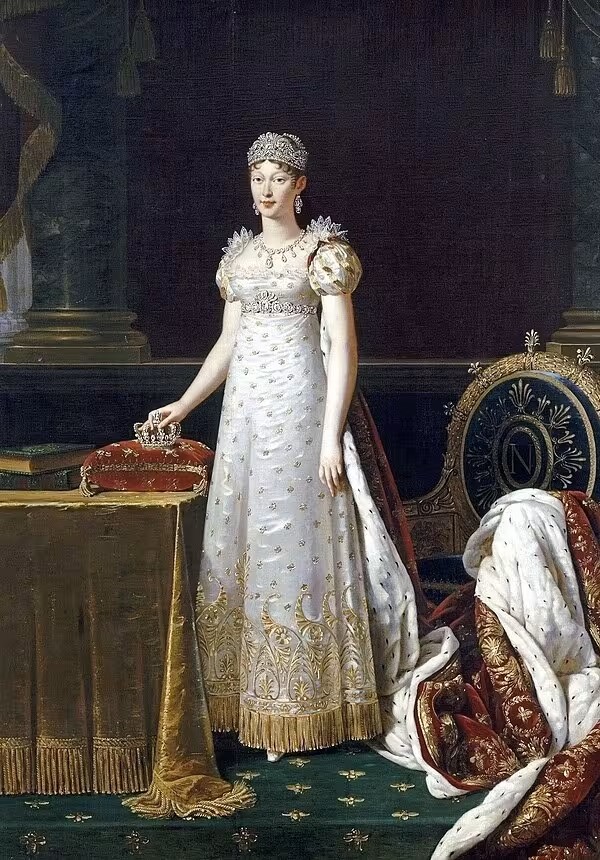
Marie Louise of Austria
Empress of the French
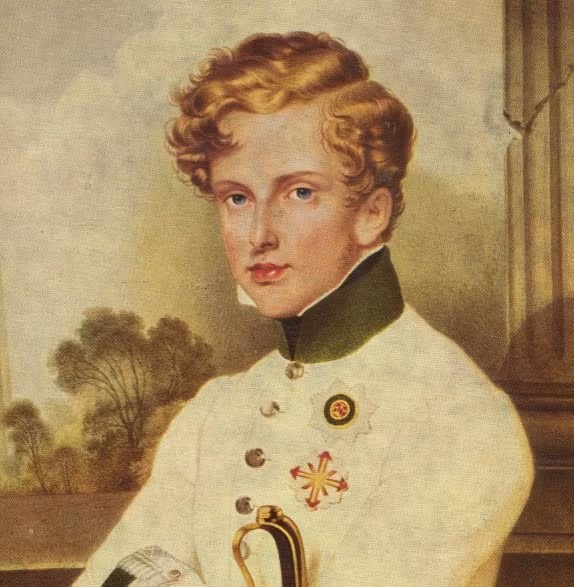
Napoleon II
King of Rome
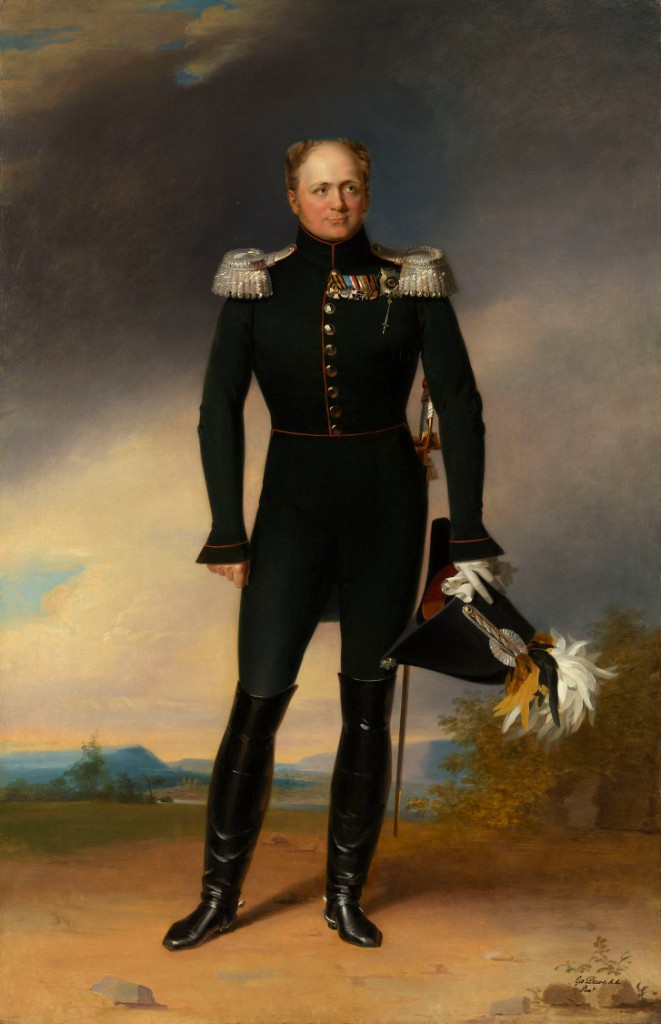
Alexander I Pavlovich, Emperor of all Russia
Emperor of all Russia (1801–1825)
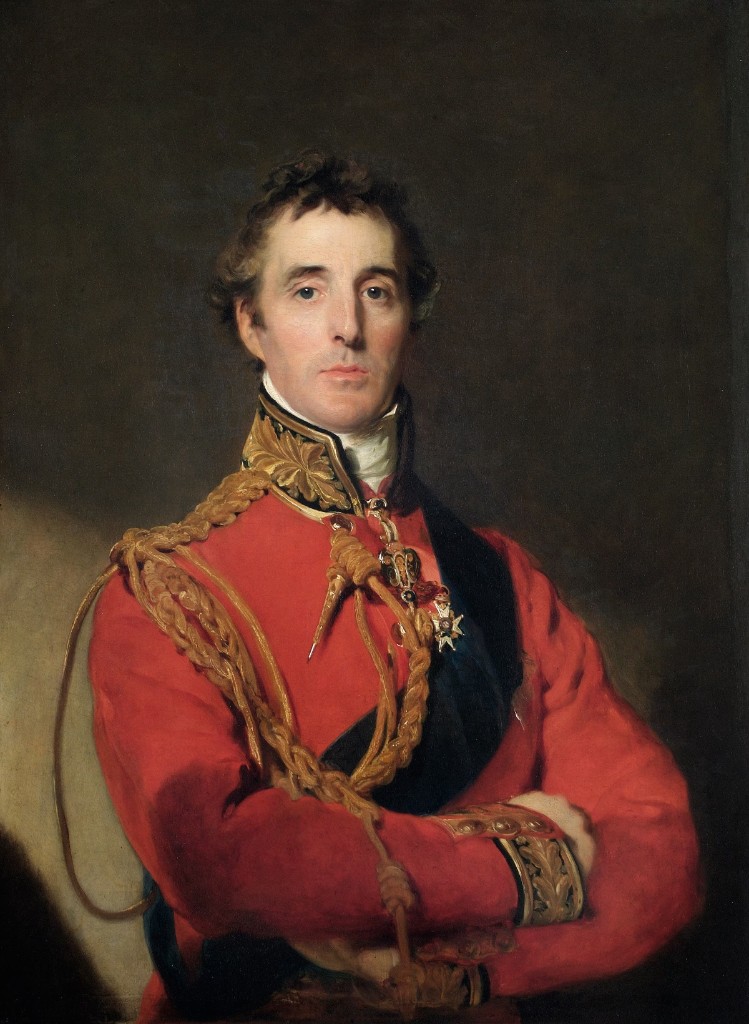
Arthur Wellesley, 1st Duke of Wellington
British general, victor of Waterloo, Prime Minister
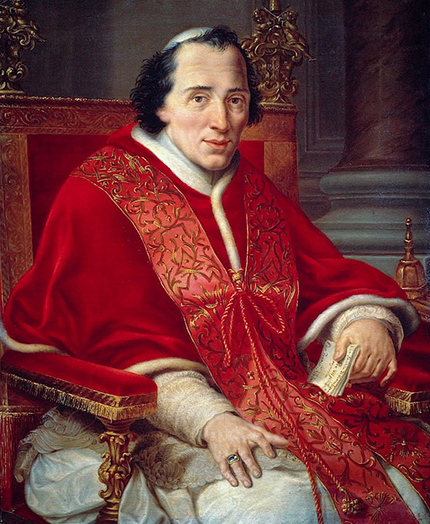
Pius VII
Pope, signatory of the Concordat, political hostage of Napoleon
Go further
Recommended books to dig deeper (affiliate links)
Napoleon the Great
Andrew Roberts · 2014
A monumental biography drawing on Napoleon’s 33,000 surviving letters, admiring but rigorous.
See on Amazon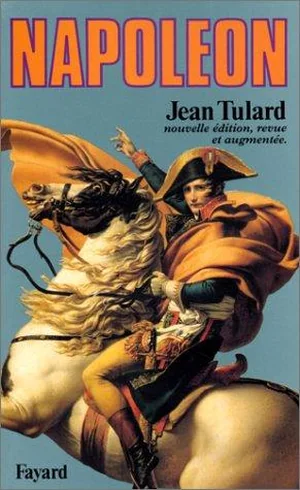
Napoléon ou le mythe du sauveur
Jean Tulard · 1977
The book that reshaped how the man is read: how France gave itself a saviour, and what it cost.
See on Amazon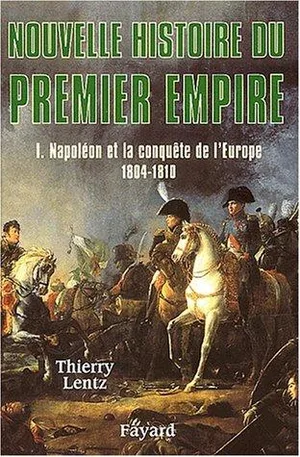
Nouvelle histoire du Premier Empire
Thierry Lentz · 2002-2010
Four reference volumes on institutions, diplomacy and collapse: the scholarly synthesis of the subject.
See on AmazonAs an Amazon Associate, this site earns from qualifying purchases.
Support the encyclopedia
Napoleon Empire is an independent project. Your contribution helps grow the content and keep the site running.
DonateSecure payment on the platform you choose.