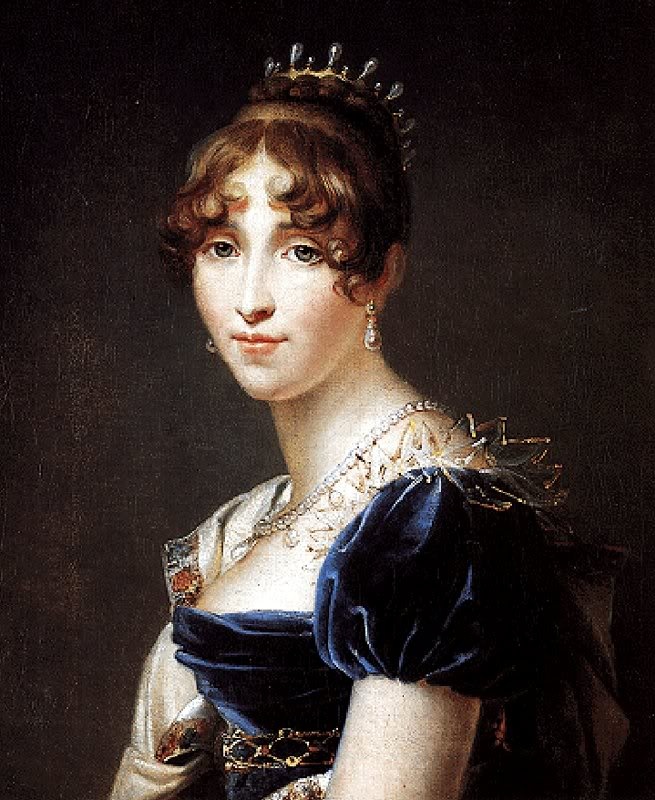
Hortense de Beauharnais (1783-1837), daughter of Josephine and Alexandre de Beauharnais, compelled wife of Louis Bonaparte (1802) and then Queen of Holland (1806-1810) under the Batavian style Koning Lodewijk: she embodied the Bonaparte-Beauharnais dynastic merger Napoleon sought. The marriage, jealous and painful, tied her to Malmaison and her mother's salon; her liaison with Charles de Flahaut and the birth of Charles-Louis (1808) have fuelled two centuries of paternity debate — sources often favour Flahaut, though Louis never disowned the child. After Holland's annexation (1810), the imperial divorce and Josephine's death (1814), Waterloo forced her into exile: proscribed by the Bourbons, she bought Arenenberg on Lake Constance and shaped the upbringing of the man who would become Napoleon III. Composer of romances including "Partant pour la Syrie" (1807), memoirist and salon hostess in Paris and then Switzerland, she died in 1837 without seeing the Second Empire turn her song into the regime's unofficial anthem.
Childhood, Beauharnais salon, and marriage to Louis
Hortense de Beauharnais was born in Paris on 10 April 1783, two years after her brother Eugene. Daughter of Marie Josèphe Rose Tascher — the future Josephine — and the vicomte Alexandre de Beauharnais, in 1794 she became a child of the guillotine: her father was executed on 23 July; her mother narrowly escaped the same fate at the Carmes. After Thermidor she grew up in Josephine's wake, between modest lodgings and the Directory salons where her mother wove the network that would save the family.
She attended the Campan school — that famous establishment where young ladies of good family learned singing, drawing, piano, and light composition. Chroniclers describe her as cheerful, witty, sociable: a temperament that would clash with Louis Bonaparte's melancholy. She belonged to the first generation to see childhood shift from Revolution to Consulate, then to Empire.
In 1802 Napoleon — First Consul and Josephine's husband — imposed marriage to Louis Bonaparte, his younger brother. The alliance was to merge Bonaparte and Beauharnais dynastically and secure the succession. Neither Hortense nor Louis consented from the heart: whispers spoke of her attachment to Géraud Duroc, Grand Marshal of the Palace; Louis, ill since Egypt — fevers, rheumatism, gloomy mood — felt little attraction to this overly lively young woman. The civil marriage was celebrated on 4 January 1802; the couple obeyed without manufacturing affection.
The early years mingled court ceremony and private coldness. Hortense remained tied to her mother and Malmaison; Louis followed the career his brother assigned. The sons' births — Napoleon-Charles in 1802, Napoleon-Louis in 1804 — met dynastic expectation, but the first child's death from croup in 1807 plunged Hortense into grief that deepened the cracks in the marriage.
Queen of Holland and The Hague court
In 1806 Napoleon made Louis King of Holland — "Koning Lodewijk". Hortense became queen; the court resided at The Hague and Amsterdam. She performed ceremonial duties but fled to Paris or Malmaison whenever etiquette allowed. Louis, jealous and suspicious, accused her of infidelity; the marriage slid into visible crises the Emperor struggled to calm.
At Malmaison she met Charles de Flahaut, Murat's aide-de-camp, Talleyrand's natural son — brilliant, charming. A liaison began. In 1808 Charles-Louis was born; paternity (Louis or Flahaut) has been debated for two centuries — biographers usually lean toward Flahaut. Hortense raised all her children with tenderness and guarded their place at court.
She composed romances in the fashionable vein; "Partant pour la Syrie" (1807) remains the most famous: a knight leaves for the crusade, the lady gives him a ring, he swears fidelity. The song circulated in salons and printed sheets; it became the sonic echo of an age when imperial aesthetics mixed medieval and oriental motifs.
In 1810 Napoleon annexed Holland; Louis abdicated. Hortense received the title of Duchess of Saint-Leu and moved between Paris and the residences allotted her. The imperial couple's break in 1809 and Josephine's death in 1814 shook her; she remained tied to the Napoleonic kin until Waterloo hastened the Restoration.
Arenenberg, Bonapartist memory, and death
After 1815 Hortense had to leave France; the Bourbons placed her on proscription lists. In 1817 she bought Arenenberg Castle on Lake Constance — medieval tower, meadows, view over the water. There she raised Charles-Louis, the future Napoleon III: bulletins of the Grand Army, portraits of the Emperor, tales of a lost greatness shaped his childhood. Bonapartist exiles and travellers found cultured hospitality there.
In 1831 Napoleon-Louis died at Forlì during an attempted insurrection with the Carbonari; dynastic hopes rested on Charles-Louis. The failed Strasbourg coup in 1836 shook his mother. Illness drove her to dictate or write her Memoirs: an affectionate portrait of Josephine, criticism of Louis without naming him, defence of Napoleonic memory — a source of great value and acknowledged bias.
She died at Arenenberg on 5 October 1837, aged fifty-four. Her son, after the coup of 2 December 1851, became Napoleon III on 2 December 1852. Hortense would not see the Second Empire; she had prepared the man whose biological paternity is still debated, but of whom she was undeniably the mother.
Music, salon, and voice in historiography
Hortense remained a musician and hostess all her life. In Paris before 1815 she received artists and men of letters; at Arenenberg she continued the salon despite isolation. "Partant pour la Syrie" circulated under the Restoration in Bonapartist circles; under the Second Empire Napoleon III made it the unofficial anthem — ceremonies, regiments, later an orchestration by Berlioz. The song outlived regimes as a sonic relic.
Her Memoirs, published after her death, idealise Josephine, soften her own lapses, cast Louis as an impossible husband without naming him. Historians use them with caution: partial, they are nonetheless a unique inside view of a woman between the Tuileries and exile.
In recent scholarship Hortense appears less as a mere "reluctant queen" than as an agent of patronage, maternal strategy, and cultural production — a figure where Beauharnais legacy, Bonapartist memory, and women's courtly art intersect.
Discover other characters
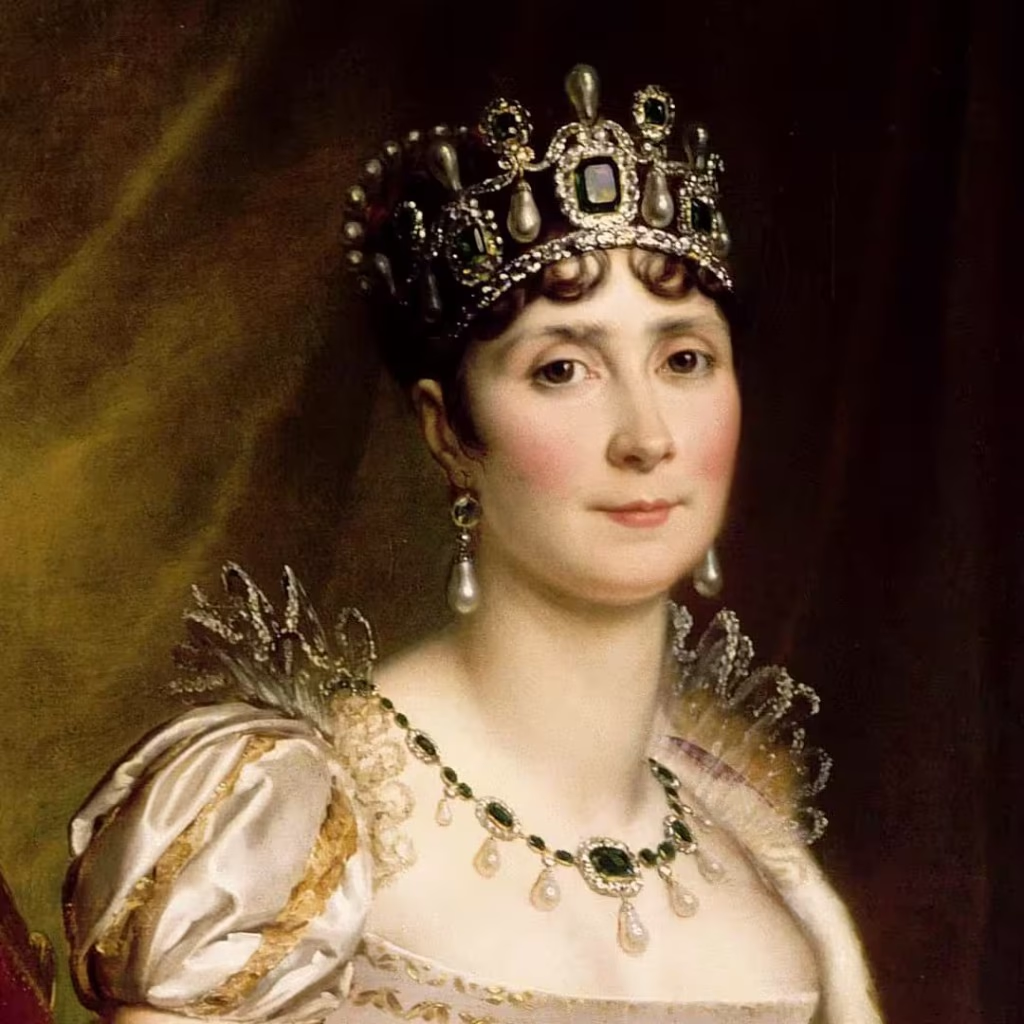
Joséphine de Beauharnais
Empress of the French
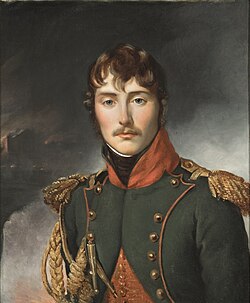
Eugène de Beauharnais
Viceroy of Italy
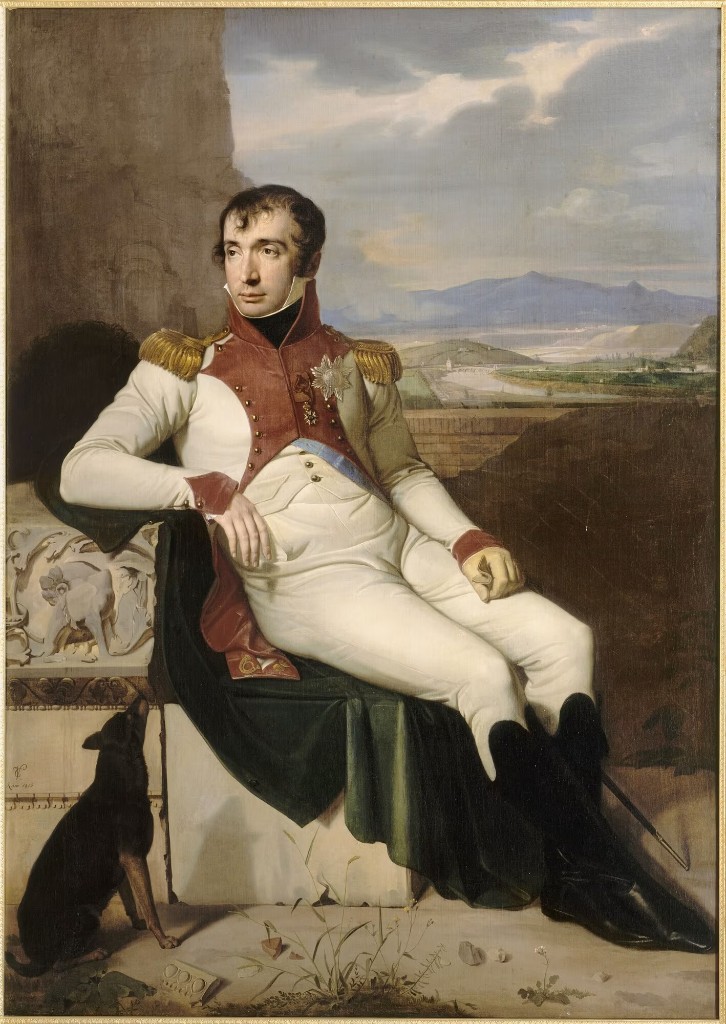
Louis Bonaparte
King of Holland
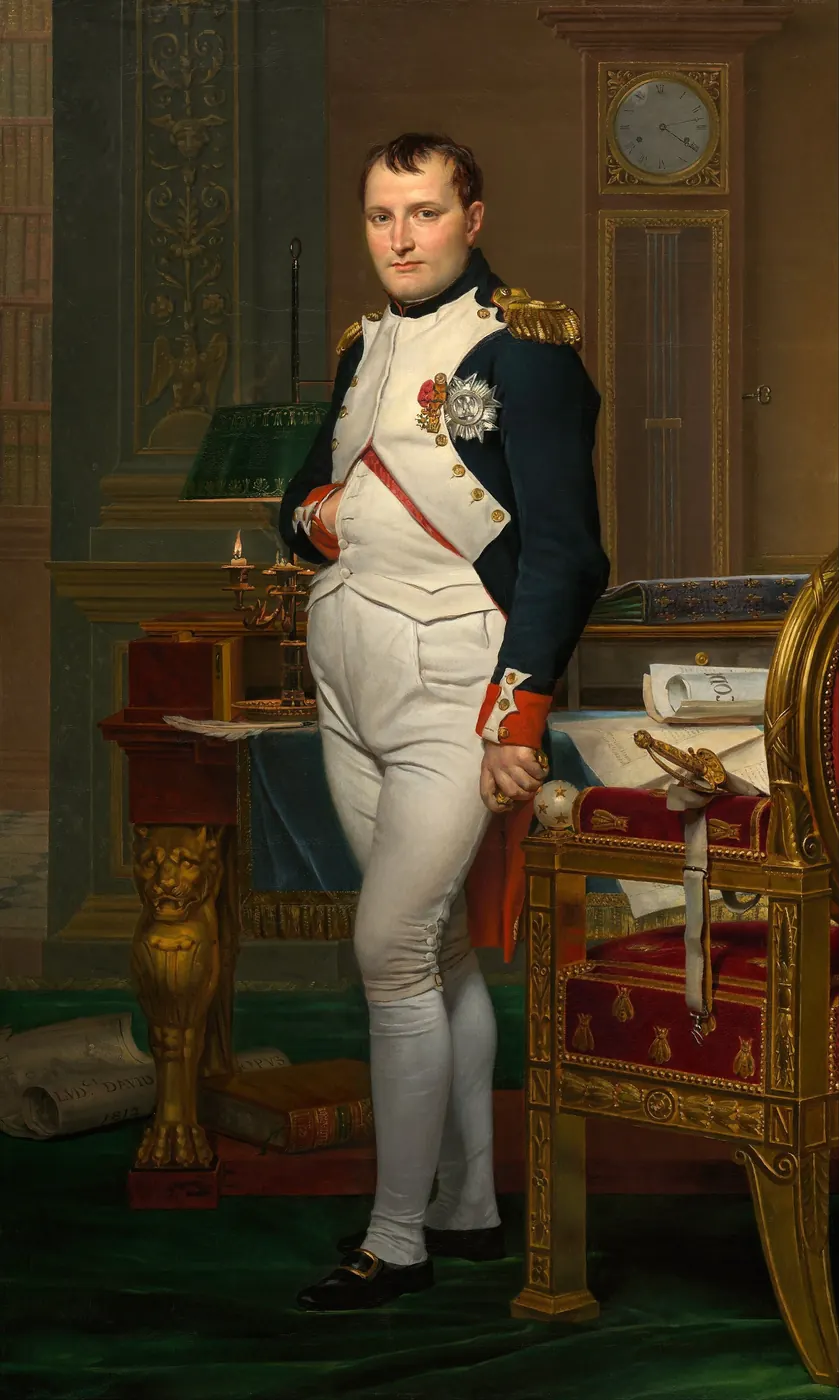
Napoleon Bonaparte
Emperor of the French
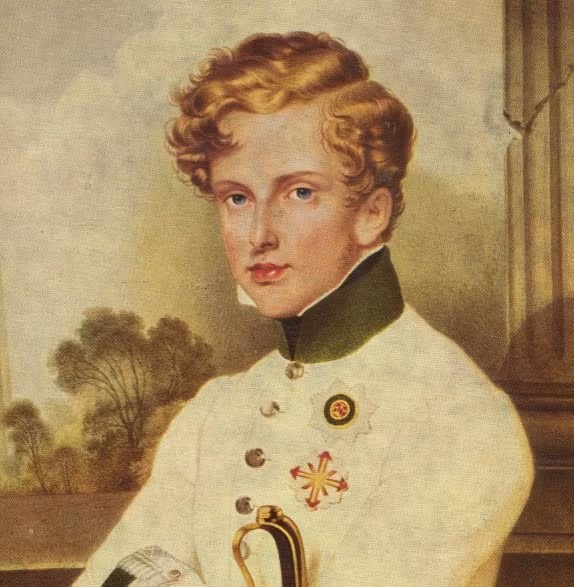
Napoleon II
King of Rome
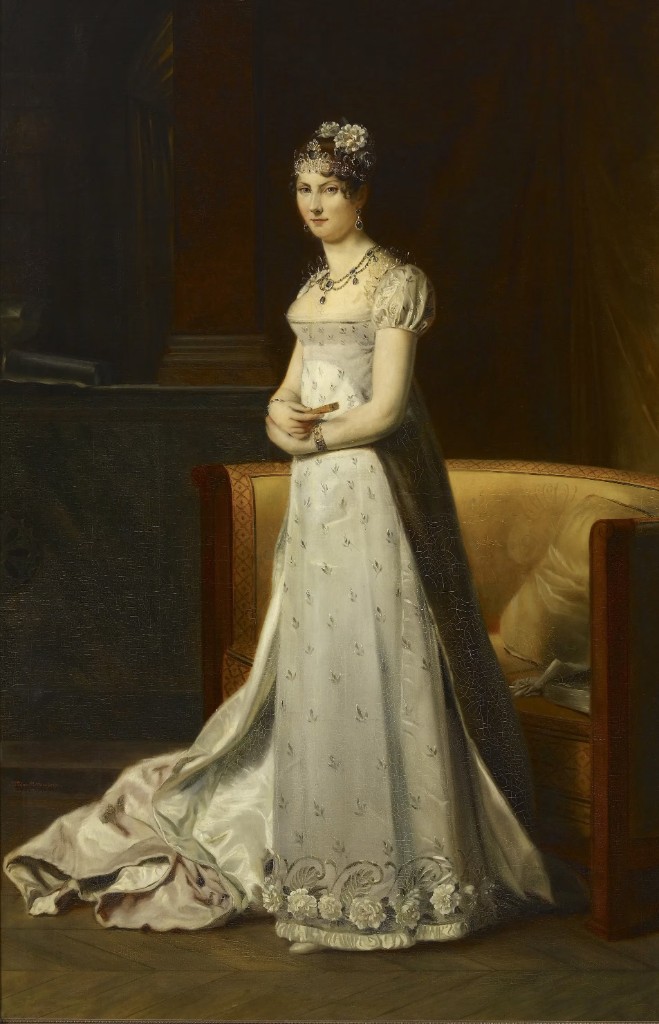
Stéphanie de Beauharnais
Grand Duchess of Baden
Go further
Recommended books to dig deeper (affiliate links)

Napoleon the Great
Andrew Roberts · 2014
A monumental biography drawing on Napoleon’s 33,000 surviving letters, admiring but rigorous.
See on Amazon
Napoléon ou le mythe du sauveur
Jean Tulard · 1977
The book that reshaped how the man is read: how France gave itself a saviour, and what it cost.
See on Amazon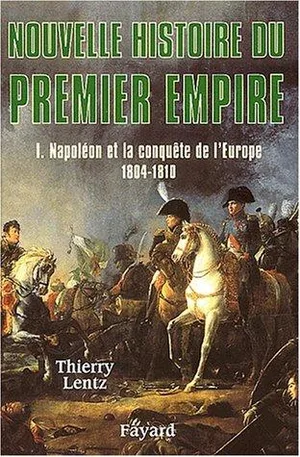
Nouvelle histoire du Premier Empire
Thierry Lentz · 2002-2010
Four reference volumes on institutions, diplomacy and collapse: the scholarly synthesis of the subject.
See on AmazonAs an Amazon Associate, this site earns from qualifying purchases.
Support the encyclopedia
Napoleon Empire is an independent project. Your contribution helps grow the content and keep the site running.
DonateSecure payment on the platform you choose.