An army in rags
On 27 March 1796 Bonaparte took command at Nice of the Army of Italy: thirty-eight thousand ill-fed men, unpaid for months, on a front the Directory considered secondary. His proclamation was a contract: "Soldiers, you are naked, ill-fed… I want to lead you into the most fertile plains in the world." In six days he split the Piedmontese from the Austrians at Montenotte, Millesimo and Mondovì; the armistice of Cherasco took Piedmont out of the war.
Lodi, Arcole, Rivoli
On 10 May the bridge at Lodi was carried at bayonet point; Milan fell five days later. Four Austrian relief armies came down in turn from the Tyrol to raise the siege of Mantua: Wurmser was beaten at Castiglione and Bassano, Alvinczi at Arcole on 15-17 November, where three days of fighting in the marshes ended in an outflanking move, then at Rivoli on 14 January 1797. Mantua capitulated on 2 February.
The method was already complete: rapid marches, concentration against the weak point, battle joined with local superiority against an enemy numerically stronger but dispersed.
A general who governs
Bonaparte did not merely win. He signed the armistices, imposed levies that paid his army and filled the coffers in Paris, took paintings and manuscripts for the Louvre, created the Cisalpine and Ligurian republics. He negotiated with the pope at Tolentino without referring to the Directory.
When he marched on Vienna in the spring of 1797 and imposed the preliminaries of Leoben, the balance had reversed: the civil power no longer directed its general, it registered his decisions. Campo Formio, in October, would be his peace, not the Republic's.
See also
Go further
Recommended books to dig deeper (affiliate links)
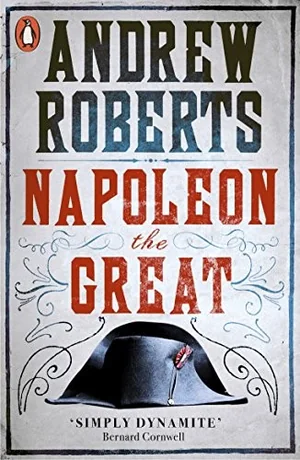
Napoleon the Great
Andrew Roberts · 2014
A monumental biography drawing on Napoleon’s 33,000 surviving letters, admiring but rigorous.
See on Amazon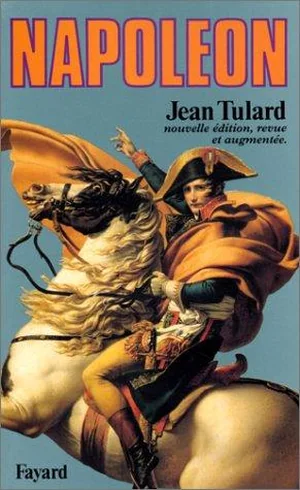
Napoléon ou le mythe du sauveur
Jean Tulard · 1977
The book that reshaped how the man is read: how France gave itself a saviour, and what it cost.
See on Amazon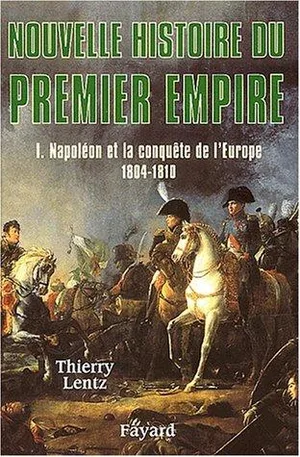
Nouvelle histoire du Premier Empire
Thierry Lentz · 2002-2010
Four reference volumes on institutions, diplomacy and collapse: the scholarly synthesis of the subject.
See on AmazonAs an Amazon Associate, this site earns from qualifying purchases.
Support the encyclopedia
Napoleon Empire is an independent project. Your contribution helps grow the content and keep the site running.
DonateSecure payment on the platform you choose.