On 12 May 1797, under threat from Bonaparte's troops, the Great Council voted an end to a thousand years of Republic. Five months later Venice was handed to Austria by the Treaty of Campo Formio.
Historical context
In the spring of 1797 the Republic of Venice had made the mistake of staying neutral while the Italian campaign was fought on its territory. An incident at the Lido, where a French frigate was fired on, provided the pretext. Bonaparte raged: "I shall be an Attila for Venice." On 12 May the Great Council voted its own abolition by 512 votes to 20; Ludovico Manin, the last doge, took off his ducal cap saying he would not need it again.
What followed was open bargaining. By the Treaty of Campo Formio of 17 October 1797, Bonaparte handed Venice, Istria and Dalmatia to Austria in exchange for Belgium and recognition of the Cisalpine Republic. He had not consulted the Directory. A thousand-year-old republic was traded for a frontier: the first act of a diplomacy in which nations were counters.
The seizures followed: the four bronze horses of St Mark's basilica left for Paris and were set on the Carrousel triumphal arch, along with the lion of the Piazzetta and dozens of paintings. They came back in 1815. After Pressburg (1805) Venice joined the Kingdom of Italy; Napoleon stayed there from 29 November to 8 December 1807.
French rule left a lasting urban mark: the Napoleonic wing closing St Mark's Square, built by demolishing the church of San Geminiano; the public gardens taken from convents; the cemetery of San Michele, created because burial in the city was being banned. Venice lost its independence, kept its scenery, and inherited an occupier's town planning.
Go further
Recommended books to dig deeper (affiliate links)
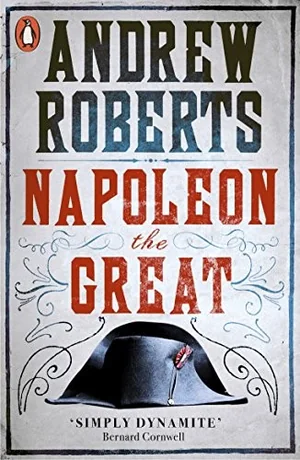
Napoleon the Great
Andrew Roberts · 2014
A monumental biography drawing on Napoleon’s 33,000 surviving letters, admiring but rigorous.
See on Amazon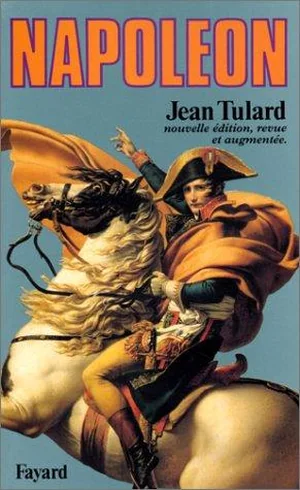
Napoléon ou le mythe du sauveur
Jean Tulard · 1977
The book that reshaped how the man is read: how France gave itself a saviour, and what it cost.
See on Amazon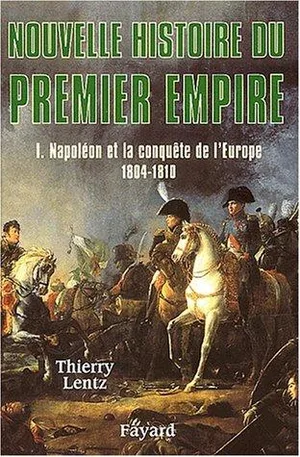
Nouvelle histoire du Premier Empire
Thierry Lentz · 2002-2010
Four reference volumes on institutions, diplomacy and collapse: the scholarly synthesis of the subject.
See on AmazonAs an Amazon Associate, this site earns from qualifying purchases.
Support the encyclopedia
Napoleon Empire is an independent project. Your contribution helps grow the content and keep the site running.
DonateSecure payment on the platform you choose.