Renamed the Musée Napoléon in 1803 and run by Vivant Denon, the Louvre became the greatest museum ever assembled — by conquest. In 1815 the victors came to take their works back.
Historical context
The palace abandoned by the kings had become the Muséum central des arts in 1793. Bonaparte gave it its doctrine: art follows the armies. The Treaty of Tolentino (1797) forced the Pope to hand over a hundred masterpieces; the Laocoön, the Apollo Belvedere and the Italian canvases entered Paris on 27 July 1798 in a triumphal procession with camels, bears and a brass band, on floats bearing the inscription: "Greece gave them up, Rome lost them."
Appointed director general of museums in November 1802, Vivant Denon organised the taking methodically. He followed the campaigns, drew up lists, judged what could travel and what should stay. Convoys came from Italy, Germany, Austria, Spain, the Low Countries. In 1803 the institution took the name Musée Napoléon; open to the public, free on certain days, it became the model for every European museum later founded to rival it.
The Louvre was also a ceremonial setting. On 2 April 1810 the Salon Carré, turned into a chapel, hosted the religious wedding with Marie Louise; the procession crossed the Grande Galerie lined with seized paintings, between ranks of guards. Thirteen cardinals refused to attend, judging the annulment of the marriage to Joséphine irregular: they lost their revenues and were exiled.
The reckoning was brutal. After Waterloo, Wellington and Blücher demanded restitution; in October 1815, under allied commissioners, more than five thousand items went back to Rome, Venice, Berlin, Antwerp. Denon resigned. What remained was what had been acquired earlier, bought or negotiated — the Mona Lisa from François I, the Wedding at Cana obtained by exchange. The universal museum lasted fifteen years; the idea of the public museum never stopped.
Go further
Recommended books to dig deeper (affiliate links)
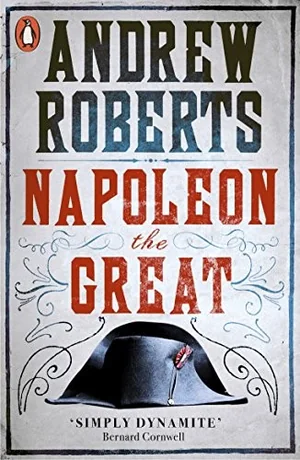
Napoleon the Great
Andrew Roberts · 2014
A monumental biography drawing on Napoleon’s 33,000 surviving letters, admiring but rigorous.
See on Amazon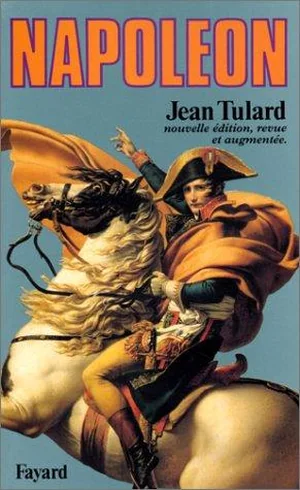
Napoléon ou le mythe du sauveur
Jean Tulard · 1977
The book that reshaped how the man is read: how France gave itself a saviour, and what it cost.
See on Amazon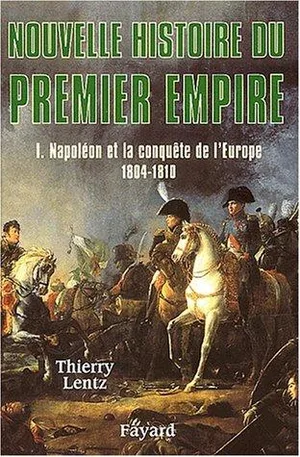
Nouvelle histoire du Premier Empire
Thierry Lentz · 2002-2010
Four reference volumes on institutions, diplomacy and collapse: the scholarly synthesis of the subject.
See on AmazonAs an Amazon Associate, this site earns from qualifying purchases.
Support the encyclopedia
Napoleon Empire is an independent project. Your contribution helps grow the content and keep the site running.
DonateSecure payment on the platform you choose.