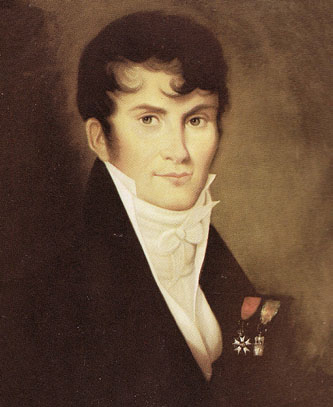
Born in Paris on 2 April 1778, Claude-François de Méneval rose within Bonapartist power through Joseph Bonaparte, whose secretary he became in 1800 before being recommended to the First Consul. In 1802 he replaced Louis Antoine Fauvelet de Bourrienne, dismissed for embezzlement: he entered the heart of political intimacy, lodged in a room adjoining the study, transcribed dictation at all hours, and kept drafts, private letters, and his master's personal archives. Under the Empire he followed Napoleon on campaigns in Central and Eastern Europe, worked with Hugues-Bernard Maret on formatting some official texts while reserving confidential correspondence and sensitive projects — Josephine's divorce, courtship of Marie Louise of Austria, birth of the King of Rome — to his pen. Baron of the Empire in 1810, he endured the Russian campaign until exhaustion: the retreat and Berezina cost part of the files; in 1813 Napoleon replaced him at his person with Agathon-Jean-François Fain and appointed him secretary of the Empress's commands — an honorific promotion that removed him from the decision centre. He accompanied Marie Louise to Blois in 1814 and remained tied to her household under the Restoration; his Memoirs to serve the history of Napoleon I, published after his death, still feed historiographical debate on how power was made and the private face of the Emperor. He died in Paris on 18 June 1850.
Paris, nobility of the robe, and entry into Joseph Bonaparte’s service
Claude-François de Méneval was born in Paris into a family of the nobility of the robe: parlements, legal studies, and secretaries to authority were familiar ground before he chose a career. The Revolution overturned traditional frameworks, but demand for correct drafting, discretion, and administrative mastery remained; men able to write for power — without committing to the loudest factions — found openings with new leaders.
In 1800 he entered Joseph Bonaparte's service as secretary. The eldest Bonaparte brother then held diplomatic and political posts requiring a small but competent staff: correspondence, certified copies, dossier preparation for negotiations. Méneval proved methodical, little given to public display; Joseph saw a reliable collaborator and recommended him to Napoleon, now First Consul at the summit of state.
The shift of 1802 was decisive: Louis Antoine Fauvelet de Bourrienne, the First Consul's secretary since the Italian and Egyptian years, fell into disgrace for financial embezzlement. The affair sent a clear signal in the antechambers: the chief's proximity did not protect against sanction if trust was broken. Méneval inherited an envied and perilous post — touching secrets before they became official acts.
He was neither minister nor general; he was the man who filed drafts, reread phrases dictated in haste, ensured the dispatched version matched the expressed will — sometimes the night before, sometimes at three in the morning. His room adjoining the Tuileries study embodied continuity: fragmented sleep, permanent availability, the blurred line between professional life and physical presence at the master's side.
The early Consular years set the pace: dry dictation on ministers, generals, allies; barely sketched letters Méneval had to shape without altering tone; personal archives thickening — contracts, notes on projected divorce or possible matrimonial alliances. None of this yet belonged to public spectacle; all of it nonetheless fed the machinery of government.
In 1804, upon the Empire's proclamation, Méneval kept his office: the title changed, power's concentration grew, but the need for an intimate pen stayed the same. He witnessed protocol transitions — hereditary consulate, then imperial dignity — as an insider, watching language shift between « citizen » and « Sire ».
Campaigns, itinerant cabinet, and tandem with the pen of state
From Central Europe to the edges of Napoleonic Poland, Méneval followed Napoleon in mobile headquarters: his « desk » was a plank, a chest, a requisitioned inn room. Victories at Austerlitz, Jena, Eylau, or Friedland marked months when military and political correspondence exploded; the Emperor dictated between two maps and three couriers; Méneval had to hold the thread without losing a nuance.
At Tilsit in 1807, in the wake of the triple meeting on the Niemen, he transcribed and filed confidential instructions framing talks with Tsar Alexander and the King of Prussia. He was not the front-line negotiator — ministers and marshals held the stage — but custodian of working versions, last-minute corrections, letters the cabinet sent before the official wrapping of treaties.
The 1809 Austrian campaign imposed the same pace: Wagram capped weeks when bulletins, orders, and private missives crossed. Méneval helped clean texts Maret, Secretary of State, then fed into Le Moniteur's chain and circulars: the line between « private » and « public » stayed sharp in organisation, even if both men met at the edges of the same documentary river.
That division of labour structured the imperial cabinet: Maret channelled public expression of power — communiqués, protocol form of visible decisions; Méneval kept what must not appear in the first available sheet — dictated rages, projects of marital rupture, rumours to deny by personal letter rather than communiqué. Court envious sometimes eyed Méneval sourly: he had neither division nor command, but access courtiers lacked.
Sleepless nights piled up: Napoleon worked until dawn, nibbled, restarted a phrase, changed his mind on an adjective. Méneval held the notebook, read back softly, fixed syntax without betraying thought. Court legend reported the imperial joke about a secretary who « never slept »: courtly hyperbole covering chronic fatigue and physical endurance.
Personal archives swelled: copies of letters to Josephine, then — when divorce became inevitable — draft letters to the deposed Empress, draft instructions for intimates. Nothing authorised Méneval to publish in his lifetime; everything nonetheless exposed him, should the regime fall, to suspicion of those who would seize the « tyrant's » papers.
Josephine’s divorce, Archduchess Marie Louise, and the 1810 barony
1809 sealed the marital rupture Méneval lived at closest range. When Napoleon decided to officialise separation from Josephine de Beauharnais, it was not merely a matter of the heart: dynastic succession, European alliance, and monarchical legitimacy were at stake. Letters the Emperor sent the Empress — mingling political coldness with remnants of tenderness — passed through the private secretary's pen; witnesses of the 30 November scene at the Tuileries remembered it as domestic drama projected onto the scale of history.
Méneval did not write the court novel; he shaped dictated phrases, archived versions, ensured cabinet copies matched what actually went out. That technical stance exposed him both to the sovereign's mute gratitude — needing a reliable executor — and to diffuse resentment from those who would like to read in his chests what they dared not ask aloud.
Courtship of Marie Louise of Austria in 1810 opened another sequence: alliance letters, matrimonial negotiations parallel to cabinet talks, correspondence balancing imperial vanity and Habsburg propriety. Méneval prepared drafts Napoleon reworked; the master's haste contrasted with the secretary's care, harmonising style and courtesy without softening political will.
Marriage at the Archbishopric of Paris and the new Empress's entry to the Tuileries shifted intimate geography: Méneval became one of the few servants allowed near private apartments — not from worldly curiosity, but because dictation followed the sovereign into spaces the court did not reach.
In 1810 Napoleon made him a baron of the Empire: a typical reward of the imperial household for close men of pen and administration; it marked social ascent without turning Méneval into a grand figure of display. The title stayed in the shadow of the office — secretary — that defined his identity for contemporaries and posterity alike.
Birth of the King of Rome, overwork, and the Russian campaign
In March 1811 was born the son Napoleon called King of Rome: for the regime, promise of a dynasty on male descent; for Méneval, another wave of dispatches, preparatory proclamations, and letters to European courts. He drafted official announcements, filed congratulations, ordered the paperwork around an event both familial and emblematic.
Witnesses sometimes noted the sovereign's softening; Méneval, who saw the chief outside great ceremonies, later described moments where imperial distance cracked — without sliding into naive hagiography. His testimony remained that of a proximity official: he observed behaviour, drew no complete psychology, but fixed details official bulletins omitted.
The Russian campaign from spring 1812 took the itinerant cabinet east: crossing the Niemen, advance to the Moskova, entry into burned Moscow. Méneval kept trunks of papers, registers, duplicate correspondence; cold, retreats, and human losses also hit archival material — part vanished in the Berezina chaos, material symbol of strategic collapse.
Physical and nervous exhaustion won out: Méneval could no longer sustain the infernal pace of travel and dictation. Leaving the Emperor's immediate entourage was not a political resignation; it was medical and human inability to hold a post demanding young bodies or steel temperaments. Napoleon had to replace the man of trust for written intimacy — painful for master as for servant.
In 1813 Baron Agathon-Jean-François Fain succeeded as secretary to Napoleon's person; Méneval received the title of secretary of Empress Marie Louise's commands. At court level it was an honorific promotion; at the level of real power it was removal from where urgent military and diplomatic decisions were taken. The « intimate pen » career ended; a phase of secondary service to the sovereign wife began.
Fall of the Empire, Marie Louise at Blois, and posthumous Memoirs
In 1814, during Coalition invasion and the Fontainebleau abdication, Méneval was no longer the daily shadow of Austerlitz's victor; he remained attached to the imperial household through service to Marie Louise. He accompanied her to Blois in the weeks the Empire dissolved and the Bourbons returned to Paris — a moment when loyalties redistributed among exile, rallying, and strategic withdrawal.
During the Hundred Days Napoleon briefly resumed power without recalling Méneval to his old post: Fain and other secretaries ensured continuity with the returned Emperor; Méneval, tied to the Empress and her court, held a lateral position. After Waterloo and the second abdication, the political layout forbade any return to favour with the defeated man deported to Saint Helena.
Méneval gradually withdrew from public life while keeping papers, memories, and the project of a testimonial work. Memoirs to serve the history of Napoleon I appeared after his death — the author did not join the editorial debate in the Emperor's lifetime, but his voice added to Constant, Las Cases, and other cabinet witnesses.
Nineteenth- then twentieth-century historians used Méneval cautiously: proximity yields precious detail on daily power, but memorial filter and temporal distance demand source criticism. Modern editions and specialist studies reposition his narrative in the wider Napoleonic documentary corpus rather than as sole gospel.
He died in Paris on 18 June 1850, in a France already turning toward other revolutions and empires. His name remains tied to the faithful secretary — who long kept silent what he knew before leaving posterity only a filtered fragment through the book.
Discover other characters
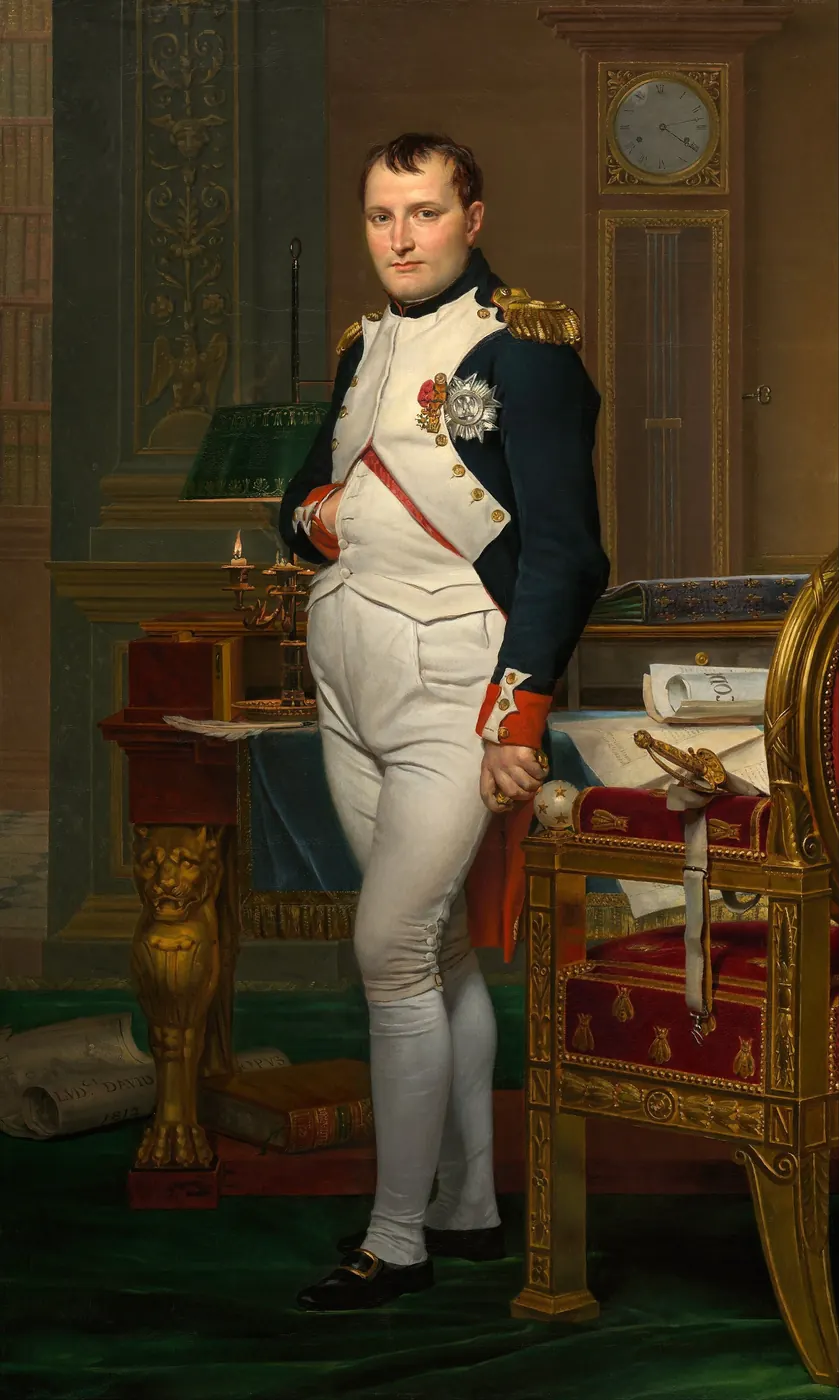
Napoleon Bonaparte
Emperor of the French
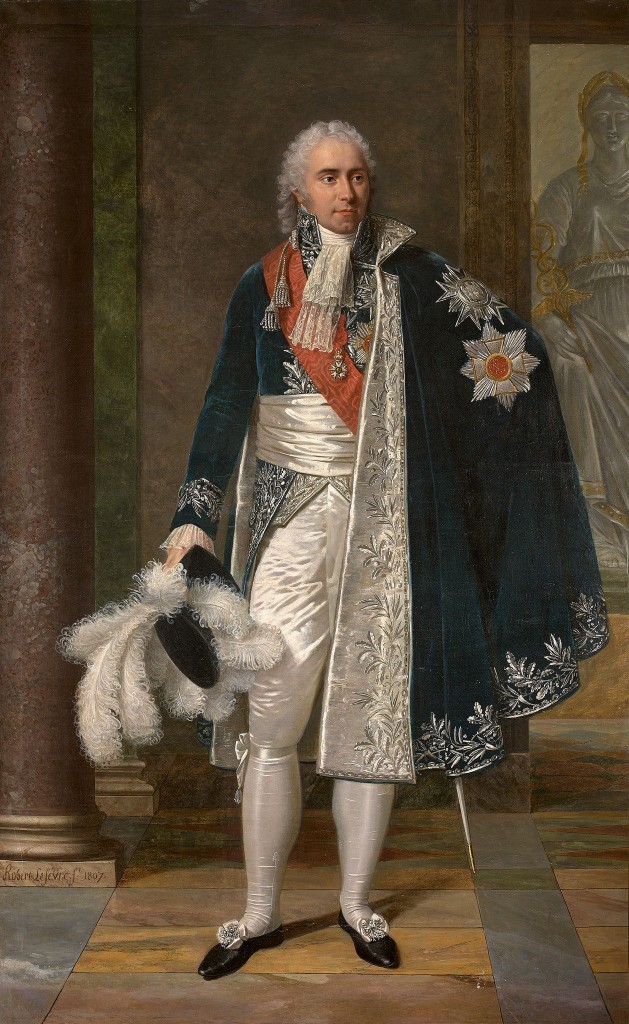
Hugues-Bernard Maret
Duke of Bassano, Secretary-General of the Government then Minister for Foreign Affairs and Secretary of State (1811–1813)
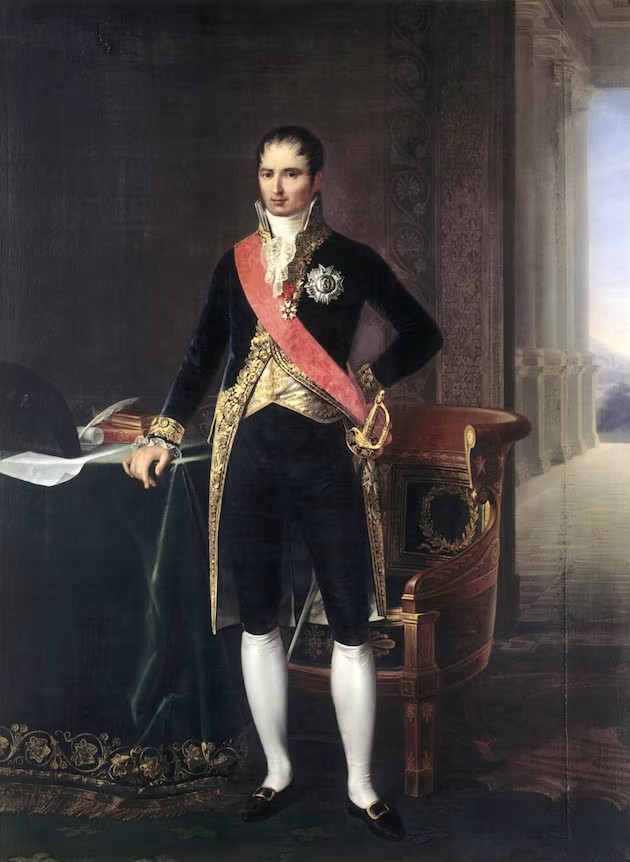
Joseph Bonaparte
King of Naples, then of Spain
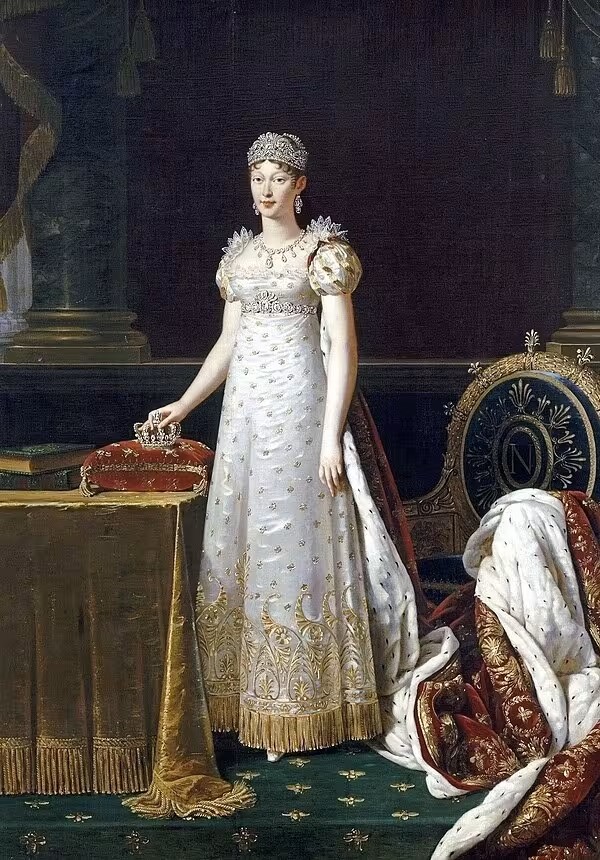
Marie Louise of Austria
Empress of the French
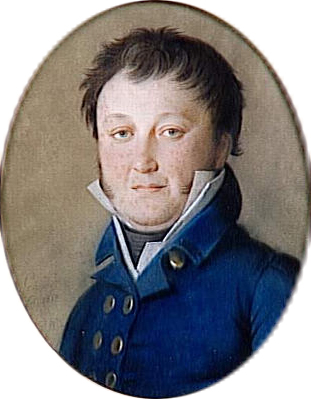
Louis Constant Wairy
First valet de chambre to Napoleon (1806–1814); memorialist (Memoirs, 1830)
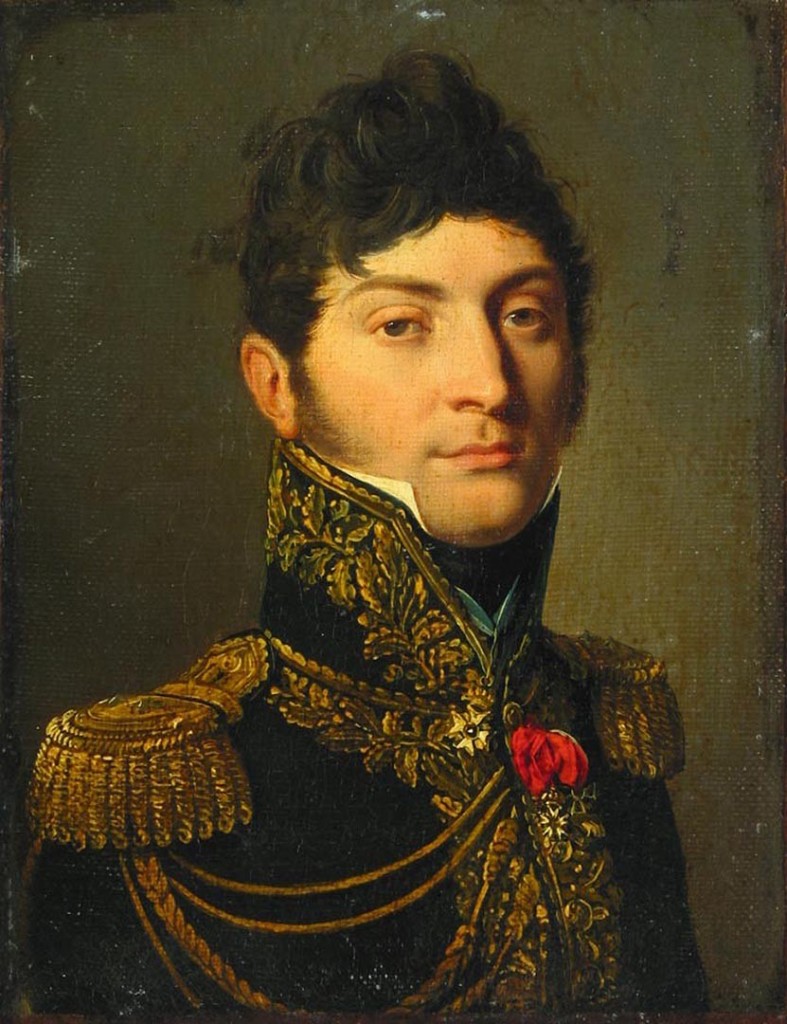
Géraud Christophe Michel Duroc de Troël
Divisional general, Grand Marshal of the Palace, Duke of Friuli
Go further
Recommended books to dig deeper (affiliate links)

Napoleon the Great
Andrew Roberts · 2014
A monumental biography drawing on Napoleon’s 33,000 surviving letters, admiring but rigorous.
See on Amazon
Napoléon ou le mythe du sauveur
Jean Tulard · 1977
The book that reshaped how the man is read: how France gave itself a saviour, and what it cost.
See on Amazon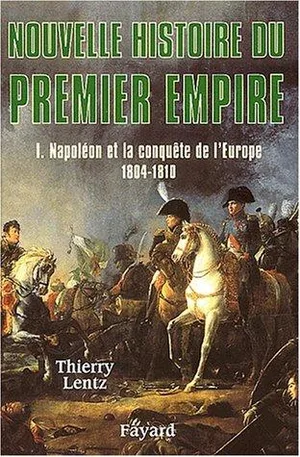
Nouvelle histoire du Premier Empire
Thierry Lentz · 2002-2010
Four reference volumes on institutions, diplomacy and collapse: the scholarly synthesis of the subject.
See on AmazonAs an Amazon Associate, this site earns from qualifying purchases.
Support the encyclopedia
Napoleon Empire is an independent project. Your contribution helps grow the content and keep the site running.
DonateSecure payment on the platform you choose.