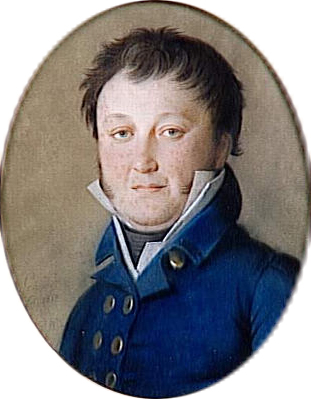
Born on 3 October 1778 at Blet in the Cher département, Louis Constant Wairy rose through Bonapartist household service via Eugène de Beauharnais: in 1798 he entered as groom to Eugène de Beauharnais, Josephine's son; the following year the Empress kept him at Malmaison. Bonaparte's return from Egypt and the young man's discreet zeal did the rest: on 6 May 1800 he became ordinary valet de chambre to the First Consul — dressing, baths, personal effects, night watch when the master worked until dawn. In February 1806, after Mameluke Roustam's departure, he was promoted first valet de chambre to the Emperor, a post he held until 1814, sharing tents, bivouacs, and retreats from the Moskova to the Berezina. Witness to rages, tears, and rituals of imperial daily life, he moved among Méneval, secretaries, and ministers without leaving the sphere of material intimacy. At the Fontainebleau abdication he accompanied Napoleon to Elba but chose not to stay; his early return to France and entry into Marie Louise's service — and rumours of goods taken — earned lasting resentment from the ex-Emperor. During the Hundred Days he was not recalled. In 1830 he published Memoirs in six volumes that met wide success and still feed debate on the « truth » of the insider witness. He died in Paris on 29 November 1845, aged sixty-seven.
Blet, Malmaison, and the First Consul’s door (1798–1804)
Louis Constant Wairy was born at Blet, a small commune in Berry, in a France still monarchical but already shaken by Revolutionary upheaval. Modest social origins and practical training — service, horsemanship, obedience to household hierarchies — prepared thousands of young men for careers in great houses; Constant was not born to power's antechambers, but through the Beauharnais–Bonaparte network he reached them.
In 1798 he entered Eugene de Beauharnais's service as groom. The future Viceroy of Italy and Josephine's son offered a first rung: stables, travel, contact with military uniform and orderlies. The following year Josephine took him on at Malmaison: the country residence became the laboratory where Constant learned the rhythm of the future court — receptions, relative intimacy, fragile balance between private sphere and political display.
Bonaparte's return from Egypt reorganised Consular priorities: the First Consul needed men who could hold their tongue, anticipate a need, stay invisible when decisions were taken. Constant's zeal and lack of loud ambition drew attention; on 6 May 1800 he was appointed ordinary valet de chambre. The office was not honorific: rousing the master, preparing the scalding bath he rubbed with a horsehair glove, arranging coats and boots, ensuring no crease hindered the head of state's gesture.
The Tuileries imposed denser domestic protocol than Malmaison: corridors, retiring rooms, passages only trusted servants used. Constant learned impossible hours — midnight bed, four o'clock rising — and the law of silence: what was seen in the alcove or dressing room must never become scandal chronicle.
The early Consular years set the implicit moral contract: loyalty to the sovereign's person rather than to an ideology; absolute discretion on moods, illness, marital quarrels backstage. Constant was neither adviser nor minister; he was the material executor of daily dignity of power.
In 1804 the Empire's proclamation raised the master without fundamentally changing the valet's trade: titles accumulated, ceremonies multiplied, but coffee swallowed standing, shirt changed in haste, and watch by the desk remained the job's foundation.
Early Consular domestics became, for some of them, silent pillars of the crown household: cash gratuities, service lodgings, sometimes late crosses or ribbons — never marshals' glitter, but material recognition distinguishing those who held the sovereign's wardrobe from mere antechamber lackeys.
First valet, Roustam, and the machinery of coronation
Until 1806 imperial domesticity split work among several figures: Roustam Raza, a Mameluke of Caucasian origin, often held the study door and close security; Constant managed the interior — wardrobe, hygiene, meals taken near the sovereign. The pairing was functional: one embodied the visible exoticism of the guard, the other the regularity of French service.
Roustam's resignation or departure in 1806 opened the top post: Constant was promoted first valet de chambre. The title formalised an already real centralisation: henceforth the domestic chain of command passed through him for everything touching the sovereign's body, linen, and precious effects.
Great ceremonies — coronation at Notre-Dame in December 1804, solemn entries, imperial feasts — added complexity: court dress, chains, swords, white gloves, trains. The first valet coordinated with wardrobe officers, checked fastenings, avoided a stain on velvet when the world's eyes fixed on the throne. David's painting immortalised the spectacle; behind the frame, men like Constant had ensured the crown was at hand for the right gesture.
The court watched this domestic raised to the summit of his trade: neither sword noble nor academician, he yet possessed irreplaceable tactile knowledge — exact size of the bicorne, ribbon tension, bath water temperature. Napoleon hated new clothes; Constant had to « break in » cloth and wool before the Emperor wore them in public — thankless but essential work for the image.
Rewards came sometimes late, but they came: gratuities, increased trust, access to Josephine's private apartments then, after divorce, Marie Louise's. The first valet became an inevitable witness to marital transitions — never arbiter, always executor who tidied material evidence of ruptures and recompositions.
This period fixed Constant's reputation among courtiers: few words, tireless, able to stand for hours while the master dictated or read files. The joke about the secretary who never slept applied in lesser measure to the first valet — whose sleep was likewise broken by night calls.
Twenty-four hours in imperial intimacy
Constant shared Napoleon's life on an almost continuous rhythm: waking, dressing in minutes if the Emperor was hurried, coffee often skipped or drunk walking to the office. Lunch, around eleven, stayed frugal — grilled meat, vegetables, rarely dessert — and did not stop the flow of orders: the sovereign spoke between mouthfuls, sometimes dictated to Méneval or another secretary while the valet cleared plates.
The bath was an intense physical ritual: very hot water, vigorous rubbing, no softness. Constant knew every habit — the little hat, grey campaign coat, boots to polish without trace. Court uniforms demanded redoubled watch: snagged embroidery, a missing button became affairs of state on a day of solemn audience.
Movements among the Tuileries, Saint-Cloud, Fontainebleau, or campaign headquarters multiplied trunks: Constant packed by an unchanging mental list — the same effects, the same order, to avoid panic on a battle morning or improvised council. The master's displayed simplicity rested on invisible but inflexible domestic machinery.
With Josephine, Constant observed tender or icy mornings: the Empress in négligé crossing a corridor, the Emperor slamming the study door. After divorce and the Austrian marriage, he served Marie Louise with the same protocol deference — shifting domestic tone without ever commenting conjugal politics.
Secret passages and palace antechambers were not novelistic décor for him: they were work routes, shortcuts to avoid crowds of courtiers, places where silence was absolute rule. Intimate geographical knowledge of power made the first valet an involuntary keeper of architectural secrets as much as mood secrets.
Rages, tears, and memory of the sovereign body
Napoleonic rages were part of the job: inkwell thrown, table overturned, voice through doors. Constant tidied, wiped, did not judge. The trade ruled out displayed moral disapproval: the valet was not there to moderate the master's temper, only to repair material damage and preserve outward dignity once the storm passed.
He also saw the Emperor in tears — after Géraud Duroc's death, after certain letters from Josephine, in moments when the imperial façade cracked. These images contrasted with granite legend; they explain why Constant's Memoirs fascinated the nineteenth century: they offered documented counterpoint to the official portrait.
The King of Rome's birth in 1811 added a domestic dimension: Constant witnessed incubator preparations, doctors' and ladies-in-waiting's comings and goings, joys displayed at court. He was not the political chronicler of the event; he noted sensory details — sounds, smells, father's haste — that humanised the dynasty.
The Russian campaign and retreat tested service limits: cold, want, fear. At the Berezina Constant crossed with the civil suite; the Memoirs would describe chaos with the precision of one who counted trunks saved and lost. Testimony mixed observation and later memory — historians now cross the text with other sources to gauge reliability.
Constant deliberately cultivated domestic objectivity: « I served a man, not an idol » summed an editorial strategy as much as a service ethic. He denied neither the figure's greatness; he trimmed the halo to show tired body, worn shirt, frugal appetite — fodder for panegyric but nourishment for social historiography of power.
Elba, break with Napoleon, Restoration, and 1830 Memoirs
In 1814, at the Fontainebleau abdication, Constant followed Napoleon to Elba — last mark of physical proximity. He did not settle there long: he returned to France, entered Empress Marie Louise's service, soon titular regent for a still-young son. From a Bonapartist view the act looked like defection; rumours — sometimes exaggerated by enemy propaganda — credited Constant with carrying off valuables or jewels. Verifiable and mythic mingled in contemporary accounts; what is certain is that Napoleon, on Saint Helena, kept rancour toward his former first valet.
During the Hundred Days Constant was not recalled: his place was filled, his loyalty deemed compromised. He watched from afar the last imperial adventure then the Second Restoration, in relative retirement — far from political fires but not from editorial memory.
In 1830 appeared Memoirs of Constant, first valet de chambre of the Emperor, on the private life of Napoleon, his family and his court — six volumes that met considerable bookseller success. Translations, controversies, imitations followed: the genre of « beneath the throne » became an industry; Constant was one of its most cited pioneers.
Modern historical criticism reads this corpus cautiously: later memory, July Monarchy stakes, and public taste for anecdote coloured the narrative. Yet the density of domestic detail — hours, menus, gestures — keeps heuristic value for those studying daily life of absolute power.
Louis Constant Wairy died in Paris on 29 November 1845. Buried at Père-Lachaise cemetery, he left a paradoxical silhouette: domestically effaced in life, famous author afterward, on the border between witness and peddler of secrets — an unavoidable figure for any material history of the First Empire.
Discover other characters
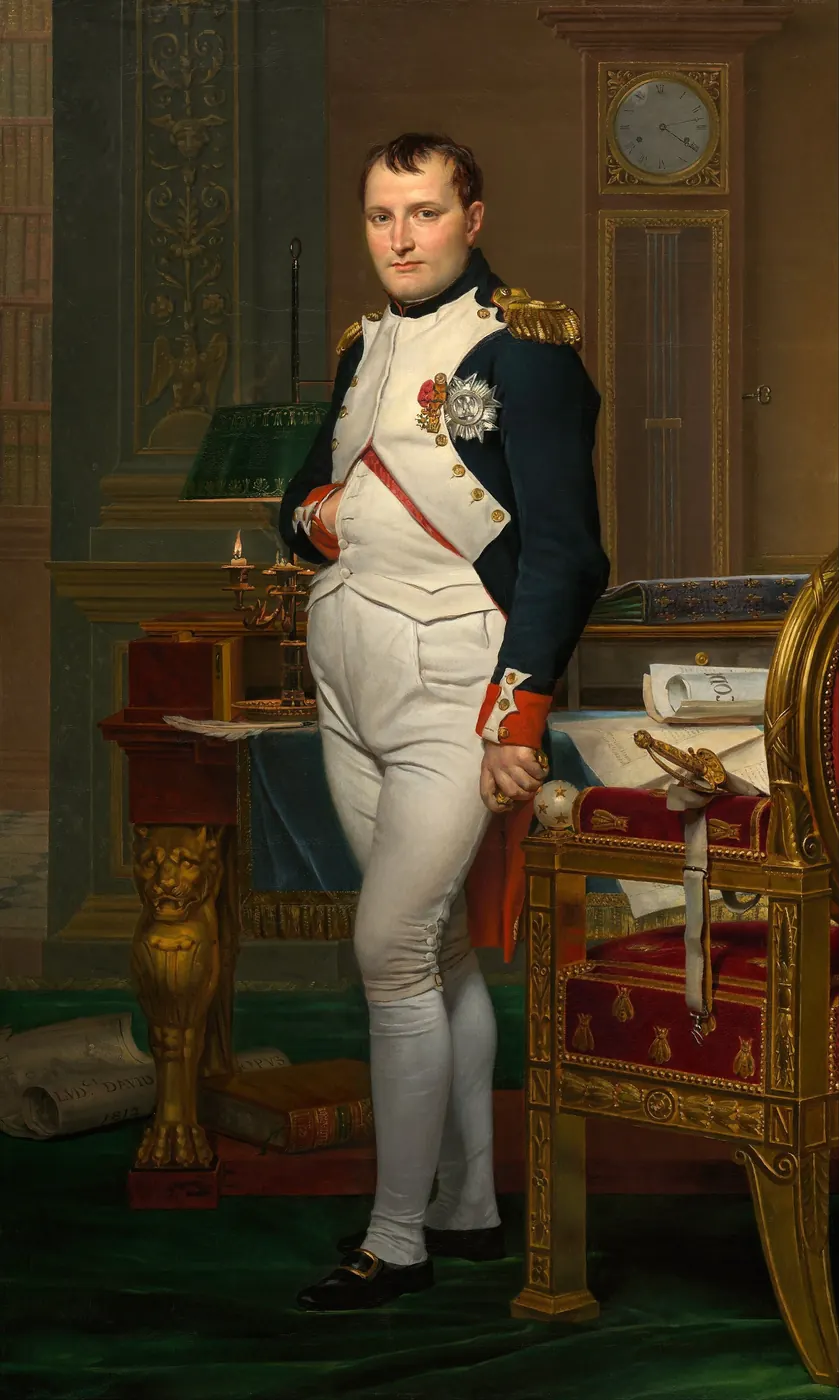
Napoleon Bonaparte
Emperor of the French
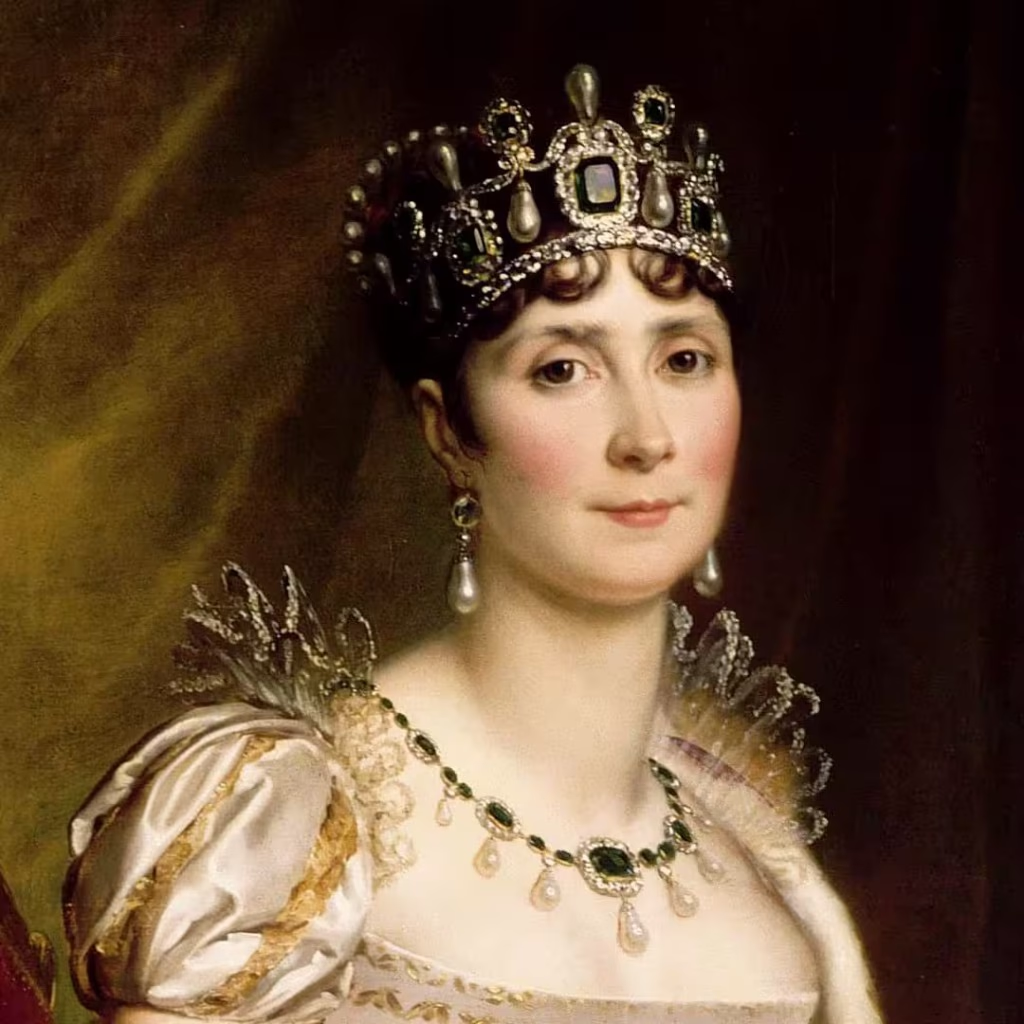
Joséphine de Beauharnais
Empress of the French
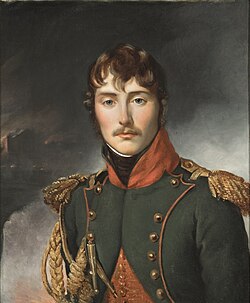
Eugène de Beauharnais
Viceroy of Italy
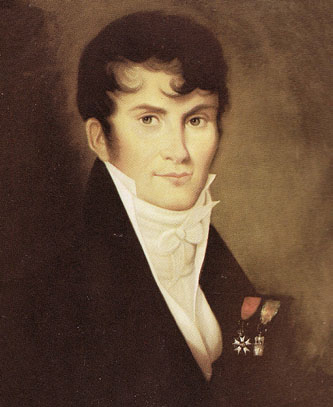
Claude-François de Méneval
Private secretary to Napoleon (1802–1813), Baron of the Empire; then secretary of the orders of Empress Marie Louise
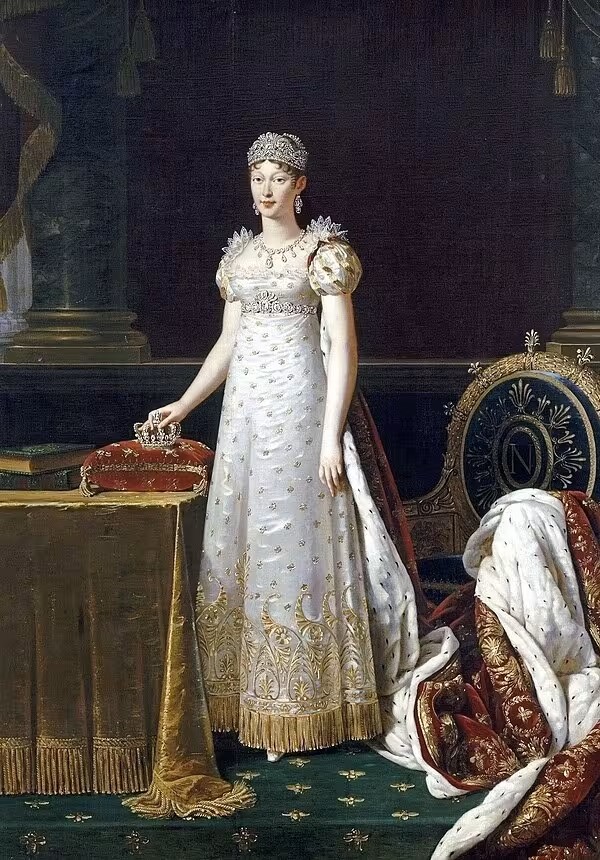
Marie Louise of Austria
Empress of the French
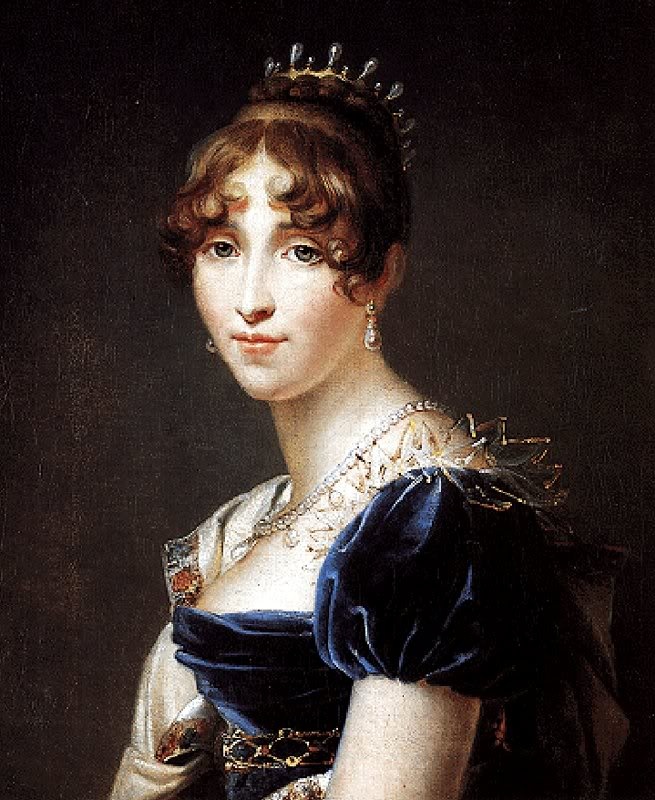
Hortense de Beauharnais
Queen of Holland
Go further
Recommended books to dig deeper (affiliate links)

Napoleon the Great
Andrew Roberts · 2014
A monumental biography drawing on Napoleon’s 33,000 surviving letters, admiring but rigorous.
See on Amazon
Napoléon ou le mythe du sauveur
Jean Tulard · 1977
The book that reshaped how the man is read: how France gave itself a saviour, and what it cost.
See on Amazon
Nouvelle histoire du Premier Empire
Thierry Lentz · 2002-2010
Four reference volumes on institutions, diplomacy and collapse: the scholarly synthesis of the subject.
See on AmazonAs an Amazon Associate, this site earns from qualifying purchases.
Support the encyclopedia
Napoleon Empire is an independent project. Your contribution helps grow the content and keep the site running.
DonateSecure payment on the platform you choose.