From 2 to 9 April 1814, Blois was the capital of the Empire: the regent Empress, the King of Rome, the ministers and the Treasury fell back there while Paris capitulated. Ten days later there was no Empire left.
Historical context
On 28 March 1814 the regency council met at the Tuileries as the allies closed in. Napoleon had left a written instruction: on no account must the Empress and his son fall into enemy hands. Joseph applied it to the letter. The next day, against the advice of several ministers who argued for staying, the convoy left Paris — the famous scene of the three-year-old King of Rome clinging to the banisters, shouting that he did not want to go.
The court settled at Blois with the archives, the Crown diamonds and a full government. For a week the town housed ministries, the secretariat of state and the council; Cambacérès handled the routine business of a regime that no longer existed. The corridors emptied by the day: everyone was calculating their position in the next regime.
News arrived late and in fragments. Paris capitulated on 31 March; the Senate declared the Emperor deposed on 2 April; Napoleon abdicated at Fontainebleau on the 6th, unconditionally on the 11th. At Blois the Empress learned in turn that she was no longer regent, that her son was no longer heir, and that an Austrian commissioner was coming for her. She left for Rambouillet on 9 April.
Historians still argue about that departure from Paris. By leaving the capital, the regency gave Talleyrand a clear field; in forty-eight hours he organised the provisional government and the Bourbon restoration. Blois did not bring down the Empire, but it was the empty office in which its disappearance was recorded.
Go further
Recommended books to dig deeper (affiliate links)
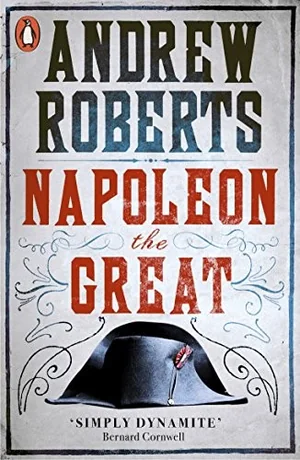
Napoleon the Great
Andrew Roberts · 2014
A monumental biography drawing on Napoleon’s 33,000 surviving letters, admiring but rigorous.
See on Amazon
Napoléon ou le mythe du sauveur
Jean Tulard · 1977
The book that reshaped how the man is read: how France gave itself a saviour, and what it cost.
See on Amazon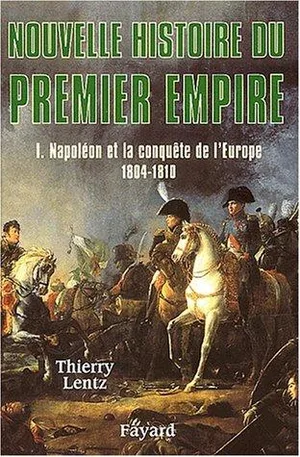
Nouvelle histoire du Premier Empire
Thierry Lentz · 2002-2010
Four reference volumes on institutions, diplomacy and collapse: the scholarly synthesis of the subject.
See on AmazonAs an Amazon Associate, this site earns from qualifying purchases.
Support the encyclopedia
Napoleon Empire is an independent project. Your contribution helps grow the content and keep the site running.
DonateSecure payment on the platform you choose.