By the Treaty of Fontainebleau, Napoleon received sovereignty over the island of Elba. He landed there on May 4, 1814 and remained until his escape on February 26, 1815.
Historical context
The treaty of 11 April 1814 gave him full sovereignty over an island of two hundred and twenty-four square kilometres and twelve thousand inhabitants, with a guard of four hundred men and an annuity of two million charged to France. He landed at Portoferraio on 4 May, greeted by bells and a curious population.
He governed as he had always governed. A flag of his own design — white ground, red band, three bees —, a land survey, roads opened, the iron mines of Rio and the salt works revived, a theatre installed in a former chapel, a hospital. Two residences sufficed: the Mulini in town and San Martino in the country.
The court was thin. His mother Letizia and his sister Pauline joined him; Marie Louise and the King of Rome, held in Vienna, never did. The promised annuity never came, the British commissioner Campbell watched the movements of the port, and the news from France spoke of officers on half-pay and émigrés demanding their lands back.
Ten months were enough. On 26 February 1815, taking advantage of Campbell's absence, he boarded the Inconstant with eleven hundred men. The island has kept its two houses, now Italian national museums, and the memory of the only sovereign it ever had of its own.
Go further
Recommended books to dig deeper (affiliate links)

Napoleon the Great
Andrew Roberts · 2014
A monumental biography drawing on Napoleon’s 33,000 surviving letters, admiring but rigorous.
See on Amazon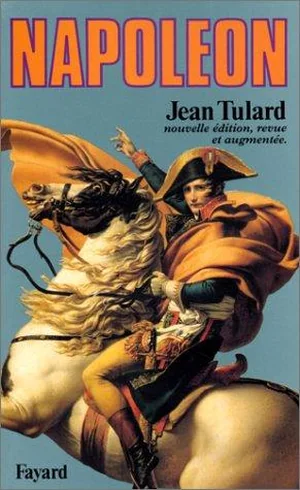
Napoléon ou le mythe du sauveur
Jean Tulard · 1977
The book that reshaped how the man is read: how France gave itself a saviour, and what it cost.
See on Amazon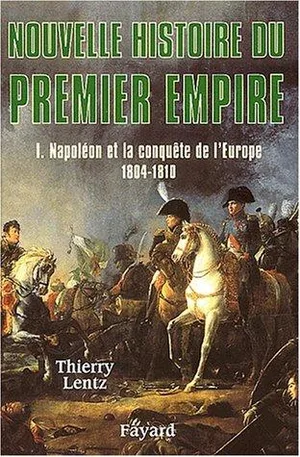
Nouvelle histoire du Premier Empire
Thierry Lentz · 2002-2010
Four reference volumes on institutions, diplomacy and collapse: the scholarly synthesis of the subject.
See on AmazonAs an Amazon Associate, this site earns from qualifying purchases.
Support the encyclopedia
Napoleon Empire is an independent project. Your contribution helps grow the content and keep the site running.
DonateSecure payment on the platform you choose.