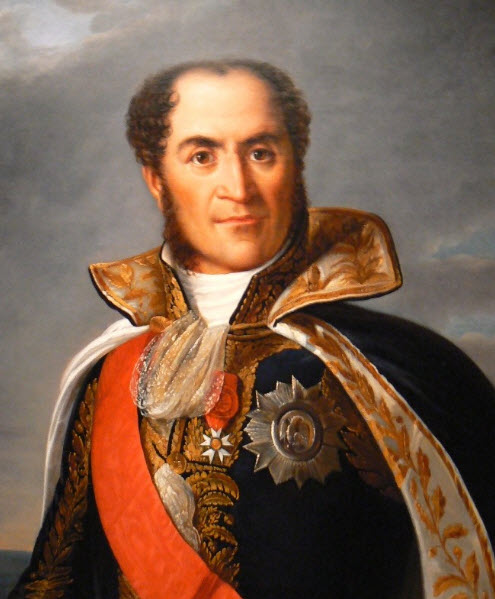
Guillaume Marie-Anne Brune (13 March 1763-2 August 1815), son of the king’s advocate at Brive presidial, embodies the path of a Paris law student turned printer, then editor of the Petit Gauthier within the Cordeliers club, before the sabre overtook the pen: National Guard, adjutant with Dumouriez, brigadier at Hondschoote, pacification of the Midi and siege of Avignon from 1795, Vendémiaire beside Bonaparte, divisional general on the field at Rivoli. The Army of Helvetia gave him manoeuvre in Switzerland: Fribourg, Bern treasure forwarded to the Directory, then Italy and above all Holland, where Bergen then Castricum in October 1799 broke the Anglo-Russian expedition and imposed the Convention of Alkmaar — a triumph Napoleon at St Helena would credit with sparing the Republic a major peril. Brumaire recycled him to the Council of State; Marengo made him commander-in-chief of the Army of Italy, Verona, armistice of Treviso, battle of Pozzolo — the First Consul, embarrassed by his republicanism, sent him ambassador to Constantinople. Marshal on 19 May 1804 (ninth in precedence), Grand Eagle, he held the camp at Boulogne then governed the Hanseatic cities; the 1807 Pomeranian campaign turned to disgrace: the capitulation signed with the King of Sweden read « French army » not « army of His Imperial and Royal Majesty », pretext for seven years of erasure from court until 1814’s abdication. Freemason, reluctant Bourbon rallié, Saint-Louis cross without zeal, he regained favour in the Hundred Days: 8th division at Marseille, observation corps on the Var, peer and count of the Empire, state of siege, tricolour at Toulon until July 1815. Refusing discreet embarkation for Le Havre, he travelled up the Rhône and fell on 2 August to Avignon’s « verdets »: slander about the Princesse de Lamballe, shooting in an inn room, body dragged, stabbed, thrown in the river, forged suicide report. His widow won justice at Riom; burial at Saint-Just-Sauvage in 1829 closed a career where Revolution, Empire and White Terror contest the memory of a journalist-marshal. For Empire Napoléon Brune links Jacobin tribune to imperial baton, Castricum’s victory to the lynching at Avignon’s Hôtel du Palais-Royal — the price of a republican under restored monarchies.
Brive, Cordelier Pen, and First Revolutionary Ranks
Born at Brive-la-Gaillarde, Brune finished humanities at the Doctrinaires college before Paris in 1785 for law, Collège de France and gambling debts; printer to live, disappointing return to Corrèze in 1787, then literary bid with an anonymous picturesque journey announcing ambition for letters more than obsession with rank.
In Paris he knew Marat, Fréron, Fabre d’Églantine, attached to Desmoulins and Danton, joined Cordeliers in 1791 and bought a press: the Journal général de la Cour et de la Ville — Petit Gauthier — spread Parisian and assembly news with a militant heat beyond commentary.
Arms followed: National Guard, 2nd volunteer battalion of Seine-et-Oise, adjutant-major October 1791, Dumouriez’s staff in Army of the North, then deputy to adjutants-general, adjutant-general and colonel in 1793 — straight line of a republican ready to crush federalists as much as hold the club’s broadsheet.
Commissioner to Army of Belgium, Sepher’s chief of staff, he defeated Wimpfen at Pacy-sur-Eure, returned North, became brigadier 18 August 1793 and fought at Hondschoote before political storm: denounced by Tallien and Ysabeau, proscribed for « defending the king » September 1792, he owed escape from the Committee of Public Safety only to Danton.
Rehabilitated autumn 1795, he pacified Gard, Drôme and Vaucluse against Jehu companies, imposed state of siege at Avignon in October — first lasting tie to a city that, twenty years later, would kill him.
For Empire Napoléon this Limousin illustrates the generation where press and sword merge: Brune is not a commoner of pure barracks; he is the editor turned general, object of lasting mistrust for any personal throne.
Switzerland, Italy, and Castricum: Saving the Republic in the Dutch Marshes
Promoted divisional general on the field after Rivoli and Tyrol fighting, Brune received Army of Helvetia: Fribourg taken without systematic looting, letter to Directory announcing Confederation submission, Bern treasure sent to Paris to fund Egypt — management feeding quarrels over greedy commissioners but also confirming his will to discipline.
Replacing Berthier then Masséna in Army of Italy, he inherited an already hot theatre before shifting north: January 1799, Army of Holland must contain Anglo-Russian invasion landed on Batavian coasts.
At Bergen 19 September he dealt severe losses to the Allies; at Castricum 6 October Franco-Batavian manoeuvre forced the Duke of York to Convention of Alkmaar — landing strategy failed, victory less spectacular than Arcole but decisive for exhausted Directory morale.
Batavian government, fearing coup, dismissed him December; Directory threw him to Army of the West against Chouannerie and Vendée, brief success mission measuring republican tool able to close civil hearth after closing foreign bridgehead.
Napoleon later would not deny the stake: Holland saved, Republic spared northern disaster — Brune won armour offered by Marengo’s victor, material symbol of recognition imperial court would gladly erase.
For Empire Napoléon this chapter fixes Brune’s true military stature before marshalcy: not Bonaparte’s Italian glory, but battle of dikes and dunes where one holds because one cannot fall back.
Consulate, Constantinople Embassy, and Republican Marshal
Brumaire opened Council of State: Brune presided war section 1801-1802, translating into institutions the general who could write orders of the day as clear as articles.
After Marengo he replaced Masséna in Italy: Verona, Vicenza, Pozzolo victory against Austrians, armistice of Treviso — consolidation campaign where tactical talent did not reassure a life-consul wary of turbulent republicans.
September 1802 removal took diplomatic form: embassy at Constantinople, impossible alliance mission but first contacts with Persia, stay where he agreed to godfather General Dumas’s son — personal chain between army revolution and family novel.
19 May 1804, ninth marshal of first promotion, Grand Eagle of Legion, he left Sublime Porte to return to imperial ceremonial — baton without illusion: Napoleon knew a Cordelier printer remained a political variable.
September 1805: command of Boulogne camp and Army of Ocean Coasts — invasion mass never launched under his hand alone, then 1806 governor-general of Hanseatic cities, administration of commercial space where uniform replaced tribune without erasing opinions.
For Empire Napoléon this institutional rise masks constant tension: military usefulness and ideological mistrust, sword’s reward and citizen’s marginalisation.
Pomerania, Bourbon Disgrace, and Court Shadow
1807: observation corps against Prussia, capture of Stralsund then Rügen — tactical successes in a war the Emperor fought elsewhere, until meeting Gustav IV Adolf where capitulation text omitted imperial titulature for « French army ».
Protocol slight became pretext: Brune vanished from bulletins, feasts, honour lists 1807-1814 — disgrace of a republican who refused throne language even when throne was French.
Freemason among marshals, he frequented networks police and chapel disliked; his bulky silhouette as marshal without major Napoleonic campaign fed court memorialists’ scorn.
1 April 1814, constrained Bourbon ralliement: Saint-Louis cross as lukewarm reward, services chilled by legitimist mistrust of the man of 10 August intellectually as much as militarily.
He survived in Parisian shadow, far from Uxbridge and Schwarzenberg, while Europe shared without him; First Restoration finished classing him among « politically incorrect » marshals — useful in past, awkward for white future.
For Empire Napoléon this desert crossing prepares 1815 paradox: Emperor of Hundred Days would recall Brune knew suburbs and old Revolutionary strings better than many Auerstädt dukes.
Hundred Days: Marseille, Tricolour Toulon, and Death Road to Avignon
April 1815: War Minister Davout gave him 8th division at Marseille and observation corps on Var — five thousand men to calm Provençal civil war and hold Piedmontese border, thankless task between local royalism and English fleet.
Peer of France and count of the Empire 2 June, Brune imposed state of siege, received Waterloo 24 June and, 4 July, still proclaimed Napoleon II and French liberty in order of the day scandalising country’s white faction.
Tricolour flew over Toulon until 31 July; only 22 July did he recognise Louis XVIII, hand command to Marquis de Rivière, then refused sloop prepared by Duperré and Grivel for « unworthy » sea return — fatal choice of Rhône road.
Recognised at Aix, threatened, he dismissed exhausted 14th chasseur escort at Saint-Andiol; at Cavaillon told soldiers recalled to Toulon. Postmaster forced passage through Avignon despite avoidance advice.
2 August at ten, Place de la Comédie, post chief Verger delayed passports; royalist crowd surrounded Hôtel du Palais-Royal. Prefect Saint-Chamans and Mayor Puy tried to douse fire; Soullier’s verdets cried murder of Princesse de Lamballe — historically false but effective slander.
Denied pistols, stoned then shot in his room, body dragged, stabbed, thrown in Rhône under jeers; suicide report was forgery signed by complicit authorities. For Empire Napoléon that day ties Avignon to White Terror as Castricum to Republic in arms — river as provisional tomb for a baton.
Widow's Justice, Tomb in the Marne, and Name Carved under the Arc
Amédée Pichot recovered body near Arles; Baron de Chartrouse allowed burial near Tarascon before widow Angélique retrieved remains in 1817 and kept them in salon until judicial truth followed mourning.
Riom court 1821 condemned known assassins: Fargue dead, Guindon contumacy; established Brune did not carry Lamballe’s head, embezzled no funds, did not commit suicide — memorial triumph of widow against paper White Terror.
13 January 1829, pyramidal burial at Saint-Just-Sauvage cemetery in Champagne, wife beside — stone finally fixing marshal whose career ended in quayside mud.
Name on Arc de Triomphe (23rd column); National Archives hold personal papers (179AP), Brive municipal fonds — dual institutional and local memory for man from rue Majour.
Nineteenth-century historians preferred Davout or Masséna; recent scholarship revalues press-revolution-army link and 1815 political violence against « suspect » generals.
For Empire Napoléon Brune remains counter-example and symbol: marshal without cult imperial battle, but Castricum hero and Avignon martyr — France of Enlightenment and cockades paid in blood on theatre square become Crillon.
Discover other characters
Napoleon Bonaparte
Emperor of the French
Jean-Baptiste Jourdan
Marshal of the Empire, Count Jourdan
André Masséna
Marshal of the Empire, Prince of Essling
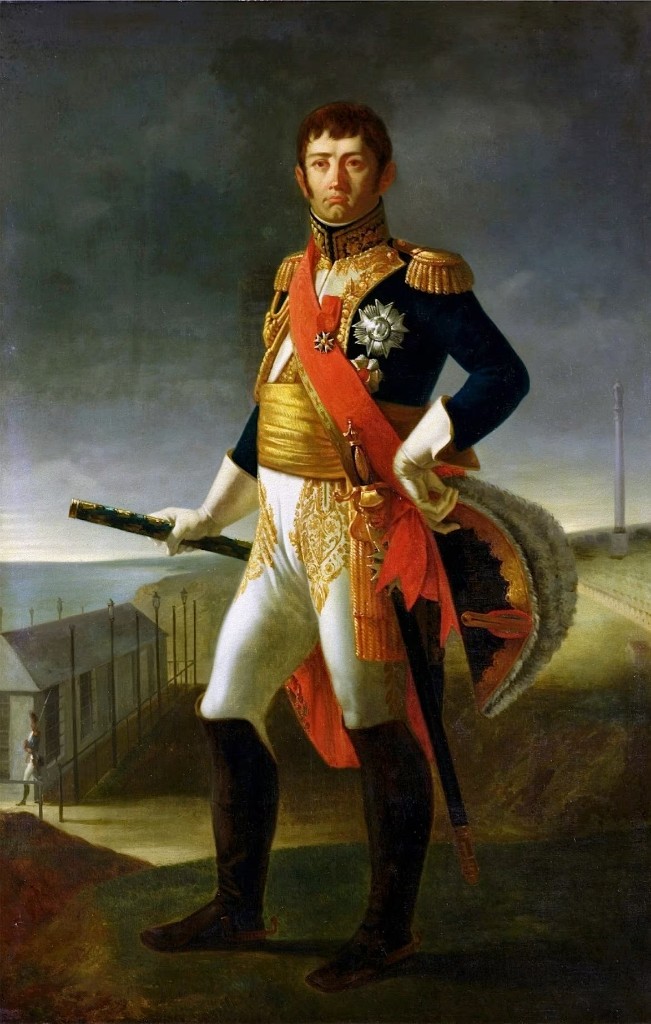
Jean-de-Dieu Soult
Marshal of the Empire, Duke of Dalmatia
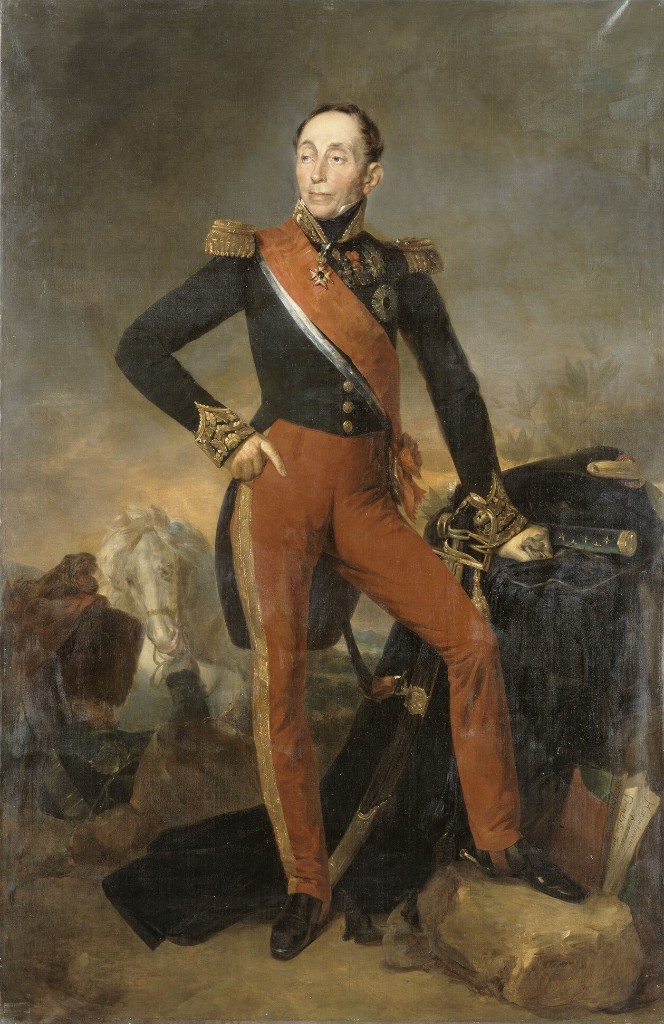
Emmanuel de Grouchy
Marshal of the Empire, Count of Grouchy
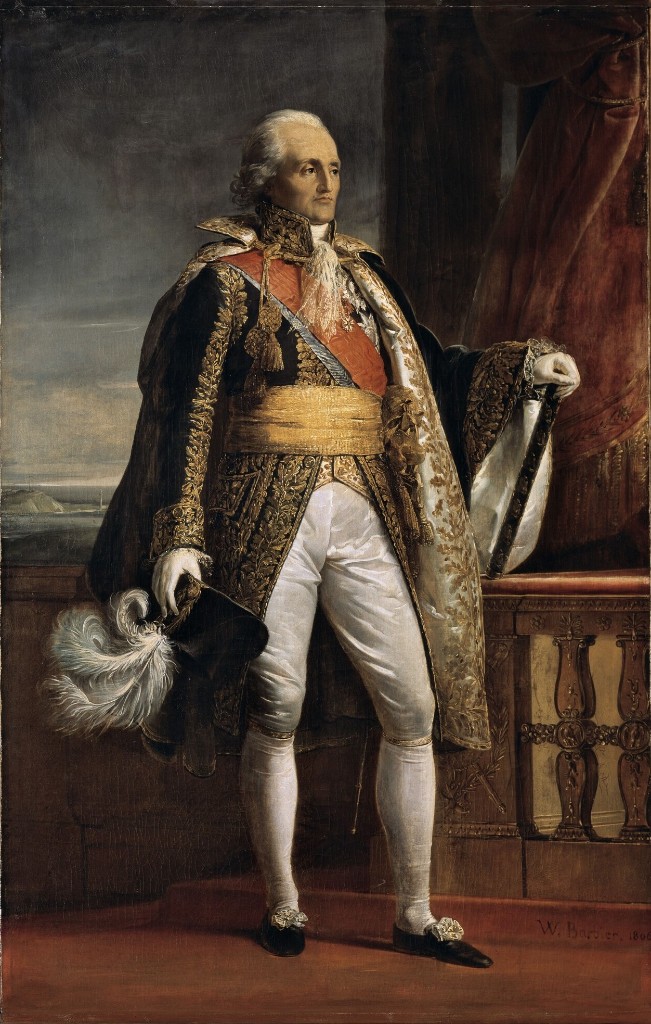
Bon-Adrien Jannot de Moncey
Marshal of the Empire, Duke of Conegliano
Go further
Recommended books to dig deeper (affiliate links)
Napoleon the Great
Andrew Roberts · 2014
A monumental biography drawing on Napoleon’s 33,000 surviving letters, admiring but rigorous.
See on Amazon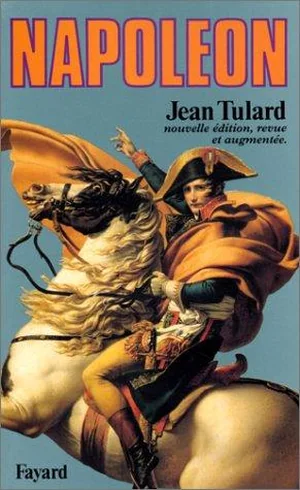
Napoléon ou le mythe du sauveur
Jean Tulard · 1977
The book that reshaped how the man is read: how France gave itself a saviour, and what it cost.
See on Amazon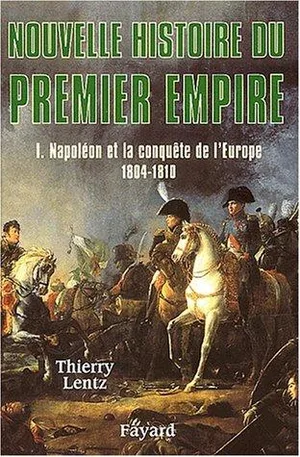
Nouvelle histoire du Premier Empire
Thierry Lentz · 2002-2010
Four reference volumes on institutions, diplomacy and collapse: the scholarly synthesis of the subject.
See on AmazonAs an Amazon Associate, this site earns from qualifying purchases.
Support the encyclopedia
Napoleon Empire is an independent project. Your contribution helps grow the content and keep the site running.
DonateSecure payment on the platform you choose.