Birth and command
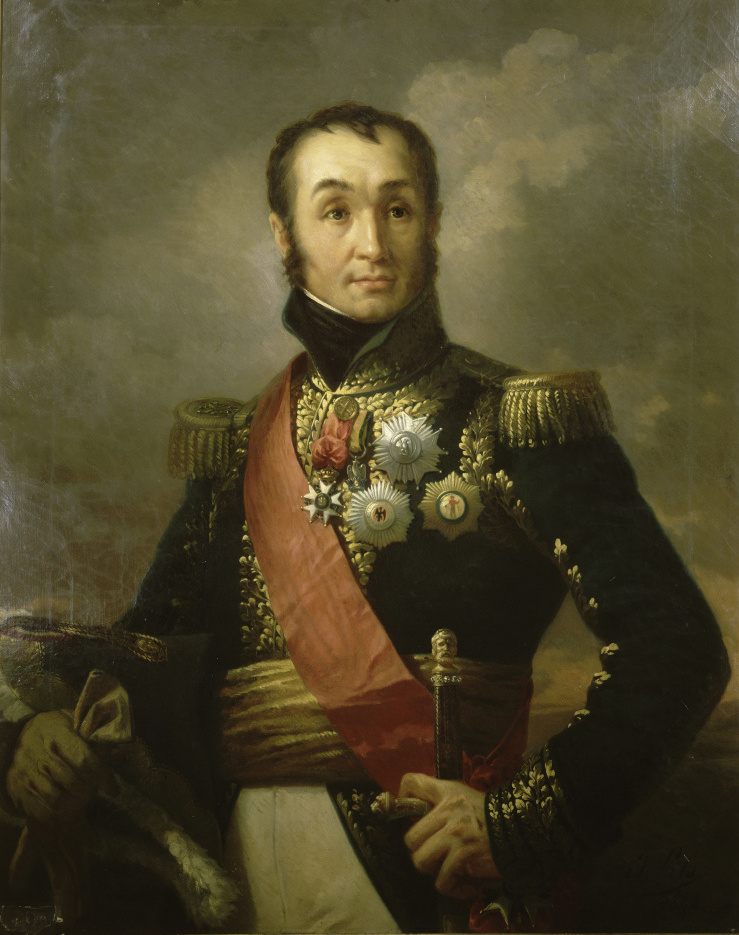
Nicolas-Charles Oudinot, marshal in 1809, had already distinguished himself at the head of grenadier formations and elite line units. In 1809 he commanded a combined grenadier corps — often called Oudinot's corps — before corps numbers settled in the order of battle.
In 1812, during the invasion of Russia, Oudinot received II Army Corps. That number must not be confused with other corps attributions at other dates: the Napoleonic system frequently redistributed numbers.
Wounded many times in his career, Oudinot embodied the 'fighting' marshal: present under fire, sometimes hors de combat, always associated with hard sectors.
Organisation and divisions
Oudinot's corps in 1809 grouped grenadier battalions and elite troops drawn from various regiments, forming a temporary shock mass. It was not an 'ordinary' corps of permanent territorial divisions.
In 1812 II Corps comprised infantry divisions (including allied contingents according to situation reports), artillery and light cavalry. Initial strengths often exceeded twenty thousand men before campaign attrition.
Oudinot's staff had to manage considerable distances on the northern wing of the invasion, far from the main group marching on Moscow.
Major campaigns
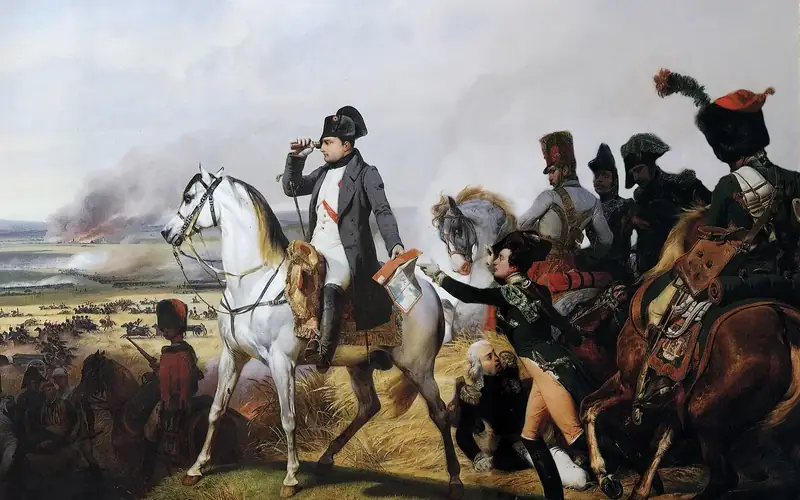
In 1809, after Essling, Oudinot and his grenadiers played an important role in regaining the initiative. At Wagram (5-6 July 1809) Oudinot's corps weighed on the Austrian deployment and contributed to the French victory on the Marchfeld.
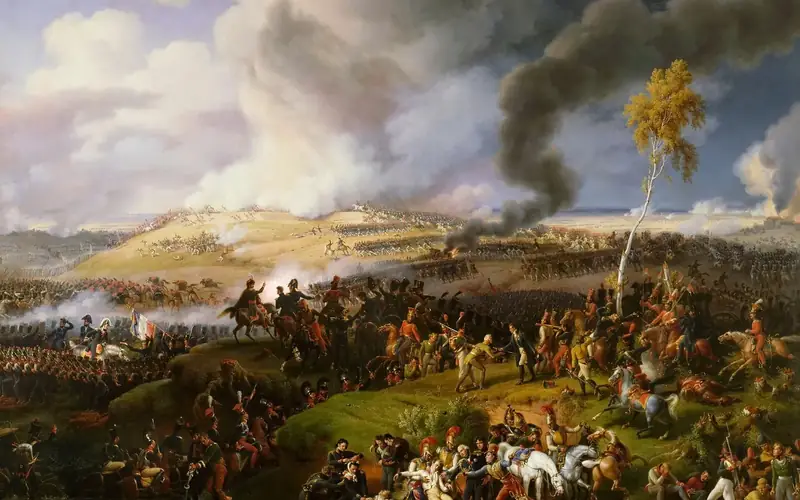
In 1812 Oudinot's II Corps was not engaged on the Borodino battlefield (7 September). It operated further north, against Wittgenstein's forces, notably in the Polotsk region.
The battles of Polotsk (August and October 1812) mobilised Oudinot — wounded — then Saint-Cyr. II Corps thus protected the Grande Armée's northern wing while Napoleon marched on Moscow.
Linking II Corps to the 'Borodino campaign' is therefore accurate in the broad sense of 1812, but inaccurate if one means presence on the Borodino plateau. The distinction matters for historical honesty.
Operational role
Oudinot gave Napoleon an energetic executor for sectors where it was necessary to hold, attack or fix an adversary distant from the main centre of gravity.
At Wagram the corps served the overall manoeuvre on the Marchfeld. In Russia it assumed a wing mission: preventing Wittgenstein from threatening the Grande Armée's communications.
Oudinot's repeated wounds sometimes interrupted command, forcing interim arrangements — Saint-Cyr at Polotsk in particular — without erasing the marshal's initial responsibility.
Memory and assessment
Oudinot's II Corps remains associated with Wagram and the northern Russian campaign. Its memory invites careful distinction between engagement on a named battlefield and participation in a global campaign.
For historiography Oudinot embodies the courageous and often wounded marshal, executor more than theorist, indispensable on the wings and in battering blows.