From Boulogne to the Danube
The Third Coalition formed in the spring of 1805: London paid, Vienna and Saint Petersburg supplied the armies. Napoleon broke camp at Boulogne on 27 August and pushed seven corps across the Rhine on a two-hundred-kilometre front. Mack capitulated at Ulm on 20 October; Vienna was occupied on 13 November. But Prussia was arming, the army was far from its bases, and a decision was needed before winter.
The trap of the Pratzen heights
Napoleon chose his battlefield and then gave it up: he deliberately evacuated the Pratzen plateau, visibly weakened his right and feigned negotiation to convince the Allies he was in difficulty. On the morning of 2 December, eighty-five thousand Austro-Russians came down from the plateau to turn that weakened right, which Davout — arrived from Vienna after one hundred and twenty kilometres in forty-eight hours — held foot by foot.
Around nine o'clock the fog lifted. Soult stormed the emptied plateau, cut the Allied army in two and took from behind the wing that was descending. By late afternoon the Russian retreat was breaking up towards the frozen ponds of Satschan.
Consequences
Some nine thousand French casualties against twenty-seven thousand Allied, one hundred and eighty guns taken. Francis II asked for an armistice the very next day; Alexander led his remnants back to Poland. The Treaty of Pressburg, on 26 December, drove Austria out of Italy and Germany.
In London, Pitt had the map of Europe rolled up: "It will not be wanted these ten years." He died six weeks later. Austerlitz remains the textbook model of the decisive battle, and the victory of which the Emperor stayed proudest.
See also
Go further
Recommended books to dig deeper (affiliate links)
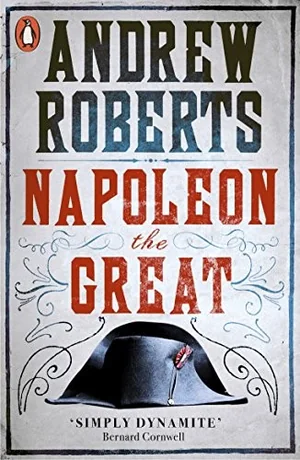
Napoleon the Great
Andrew Roberts · 2014
A monumental biography drawing on Napoleon’s 33,000 surviving letters, admiring but rigorous.
See on Amazon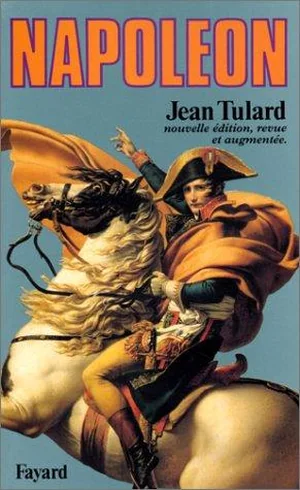
Napoléon ou le mythe du sauveur
Jean Tulard · 1977
The book that reshaped how the man is read: how France gave itself a saviour, and what it cost.
See on Amazon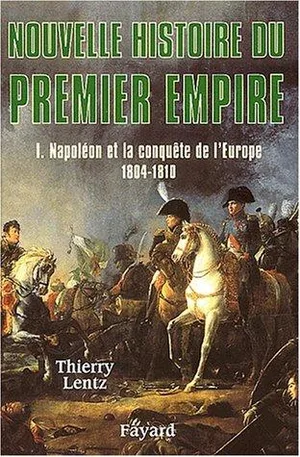
Nouvelle histoire du Premier Empire
Thierry Lentz · 2002-2010
Four reference volumes on institutions, diplomacy and collapse: the scholarly synthesis of the subject.
See on AmazonAs an Amazon Associate, this site earns from qualifying purchases.
Support the encyclopedia
Napoleon Empire is an independent project. Your contribution helps grow the content and keep the site running.
DonateSecure payment on the platform you choose.