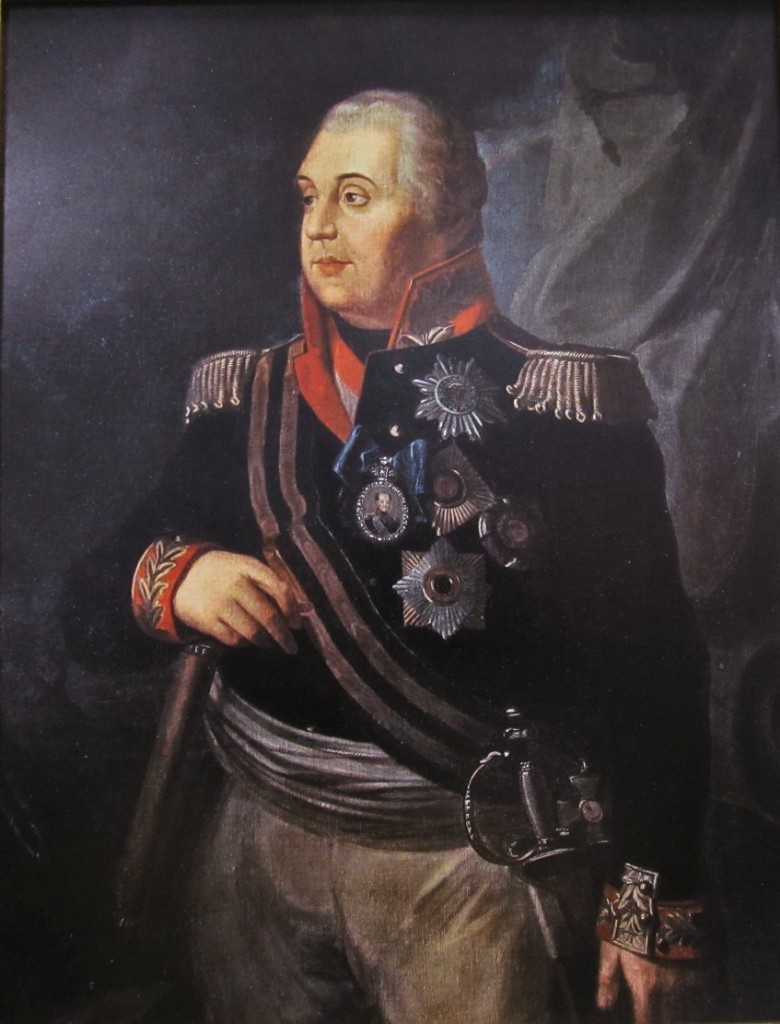
Mikhail Illarionovich Golenishchev-Kutuzov was born in 1745 into Moscow service nobility as the Russian Empire consolidated southern frontiers against the Ottomans and asserted weight in Europe. Trained under Catherine II, he rose through infantry and artillery ranks, studied steppe campaigns and Bosphorus sieges; a duel cost him an eye and forged the image of an impassive veteran. He knew Italy with Suvorov, the Peace of Jassy, Paul I’s intrigues then Alexander I’s relative stability — with alternation of favour and eclipse. In 1805 he was at Austerlitz without commanding all forces: the Russo-Austrian defeat marked him deeply and reinforced mistrust of single pitched battle against the Napoleonic machine. After Friedland and Tilsit Russia bought peace; Kutuzov knew years of partial disgrace before the 1812 invasion recalled him to the fore. Named unified commander-in-chief in August, the old marshal embodied compromise between Barclay de Tolly’s camp — structured retreat to preserve the army — and Bagration’s more offensive wing. At Borodino he accepted shock to slow Napoleon without risking annihilation; the French held the field, the Russians kept a fighting mass retreating toward Moscow. Abandonment then fire in the capital emptied French tactical victory of strategic sense; small war, Cossacks, and logistics broke the Grand Army on the road back. Kutuzov coordinated pursuit to the Berezina crossings; he did not cross the mythic river alone, but his staff helped pincers that kept Napoleon from durably exploiting a breakthrough. Alexander heaped glory on him; Russian opinion made him saviour of the fatherland — a figure Tolstoy in War and Peace both sacralised and brought back to one man’s fatigue. He died in April 1813 at Bunzlau in Silesia before Leipzig and Napoleon’s definitive fall in central Europe. For Empire Napoléon Kutuzov remains the antithesis of imperial thunderbolt: the one who won by refusing to give the Emperor decisive battle on ground and calendar Napoleon imposed.
Service Nobility, Catherine II and Southern Wars
Born at Saint Petersburg or, by some accounts, on a family estate near Moscow, Kutuzov belonged to that « state » nobility owing military career and loyalty to the throne. His father, a general of engineers, steered young Illarionovich toward siege mathematics and campaign cartography — rare skills among purely parade officers. Under Catherine II he served against Ottomans: assaults in Crimea, flotilla logistics on the Dnieper, lessons of patience before Turkish fortresses that capitulated only after months of trenches.
The war of 1768-1774 and Peace of Küçük Kaynarca taught him Russian victory was measured as much in annexed square miles as in preserved army corps. He worked with generals who dreamed of Frederickian glory; he practised attrition, correspondence with Ottoman headquarters, negotiation between volleys. That southern formation contrasted with northern winter imagery that later served the 1812 legend — Kutuzov in fact combined decades of European and Mediterranean experience.
In 1774 a duel — legend names a quarrel of honour with a colleague — cost him use of an eye. The handicap became accepted mark of courage: the one-eyed man in white uniform appeared in portraits as embodiment of the tried soldier rather than the smooth courtier. Catherine and her successors knew he could command in the front line without seeking salon approval.
Italian and Swiss campaigns beside Suvorov at the turn of the century finished training him in coalition war: Austro-Russian armies, imperfect order translation, rivalry between emperors. Kutuzov observed how a victorious forced march could turn to disaster if the supply line failed — a lesson he would mentally pair with the Grand Army in Russia.
For Empire Napoléon this pre-1805 Kutuzov was already the man of long time: neither enthusiast of decorative battles nor paralysed pessimist; a calculator who knew the Russian Empire often won by not having lost enough for the tsar to sign humiliating peace too soon.
Paul I, Alexander, Austerlitz and the Road to 1812
Paul I’s accession in 1796 upended structures: Prussian uniforms, obsessive parades, capricious favours. Kutuzov, already a field marshal, suffered disgrace then recall according to sovereign mood. He learned to survive politically without betraying professional line — useful skill when Alexander I after 1801 mixed liberal reforms and coalition wars. In 1805, named commander-in-chief of one allied army wing, Kutuzov did not coordinate the whole at Austerlitz: federal decisions between Austrians and Russians, some generals’ haste, Napoleonic speed produced the catastrophe of 2 December.
The old marshal did not alone write the failure, but drew a conviction: facing Napoleon in open field with blurred command chains offered the Emperor of the French the spectacle he expected. Later campaigns — retreat, negotiations, Peace of Tilsit — saw Kutuzov alternate diplomatic missions and semi-disgrace. Alexander kept him in a reserve of prestige: figure known to regiments, acceptable to council’s Germanophile and Slavophile factions.
In 1812, when Napoleon crossed the Niemen with the greatest military concentration of the age, the tsar hesitated between Barclay de Tolly, advocate of ordered retreat to buy time, and Bagration, who wanted early blows to mobilise national morale. Kutuzov, heavyset, ill, one-eyed, at an age when others retired, appeared as third term: old enough to embody Suvorovian continuity, political enough to arbitrate without breaking the staff.
His official appointment to unified supreme command on 20 August 1812 (1 September N.S.) came after weeks of tactical disaster at Smolensk and latent tension among generals. Alexander’s choice aimed to calm court and opinion: « the good old marshal » must rally militia and provincial noble confidence without abandoning force-preservation strategy.
For Empire Napoléon this phase shows that behind the myth of solitary Russian genius lay a monarchy that until the last moment hesitated between battle psychology and space geometry — Kutuzov became its human receptacle, not only the textbook strategist.
Borodino: “Glory Enough for One Day”
On 7 September 1812 (26 August Julian then used in the Russian army), near Borodino village on the Moskva, two giant armies — over one hundred twenty thousand Russians, French numbers of the same order — clashed in the greatest battle of the invasion. Kutuzov accepted battle not to wipe Napoleon out at once but to slow advance, inflict losses, prove the imperial army would not retreat indefinitely without fighting. Redoubts, Murat’s and Ney’s cavalry charges, counter-attacks around Raevsky’s positions composed a day of violence rare even in Napoleonic wars.
At nightfall the field theoretically stayed French; Russians nonetheless withdrew in order eastward, leaving Napoleon a costly tactical success. The Emperor, exhausted, did not order total pursuit several marshals demanded — hesitation historians still debate: health, prudence, or awareness empty Moscow waited as political trap. Kutuzov reported to Alexander that Russia had not lost as long as the army existed: formula of propaganda as much as military reality.
Borodino entered Russian memory as « battle of peoples »; for modern specialists it illustrates command dilemma facing a classically superior-tempo adversary: accept limited shock to preserve mass, at price of tens of thousands dead in hours. Bagration, mortally wounded during the day, dropped from the equation; Barclay and Kutuzov had to reorganise without him.
The phrase often lent to Napoleon — « glory enough for one day » — ambiguously sums the situation: French victory without Russian annihilation, Russian defeat without capitulation. Kutuzov embodied that paradoxical outcome: neither displayed victor nor morally beaten, he shifted the campaign toward the phase where space and time worked against Napoleonic logistics.
For Empire Napoléon Borodino is where tactical invincibility myth hit the Russian glass ceiling: Napoleon held ground but did not destroy the instrument that would make burned Moscow and the Berezina possible.
Empty Moscow, Fire and Retreat toward Tarutino
After Borodino Kutuzov sought no second immediate pitched battle on Moscow approaches: he preserved the bulk of forces while suggesting possible defence of the capital. French entry into a city largely evacuated by authorities’ orders and civilian panic turned conquest into hollow occupation. Napoleon awaited capitulation, mediation, a political gesture from the tsar; Alexander, advised by his circle and by logic Kutuzov defended, refused any negotiation legitimising the occupier.
Fires that devastated Moscow in September 1812 — causes mixing municipal administration, accidents, sabotage and rumour — deprived the Emperor of the French of an administrative centre and stable victory symbol. Kutuzov was not chief arsonist of popular legend but exploited strategic effect: without usable Moscow the Grand Army became a mass of mouths to feed on hostile soil. The marshal shifted Russian headquarters southeast, positioning the army to threaten French lines of communication while avoiding envelopment.
The « Tarutino position », established in following weeks, let Russians regain operational initiative: cavalry raids, convoy capture, liaison with militia and landowners financing irregular detachments. Napoleon in Moscow saw time pass: Murat’s early departures, marshal dissensions, first winter chill. Kutuzov, ill, commanded by delegation but imposed hard line: no separate peace, no risky battle before the enemy had begun to rot morally.
Historians stress tension between the old marshal and some younger generals who would have struck earlier; Alexander arbitrated backstage, aware public opinion demanded both success and army survival. French retreat begun in October was no surprise to Kutuzov: it confirmed the attrition wager.
For Empire Napoléon this sequence is the core of Napoleon’s Russian failure: not single field defeat but Moscow’s emptiness as political lever — and Russian discipline refusing the Napoleonic game of quick capitulations.
Pursuit, Berezina and End of the Grand Army
Once French columns left Moscow, the Russian army and Cossacks turned to pursuit — not one decisive battle but gnawing: flank harassment, train attacks, frozen rivers delaying makeshift bridges. Kutuzov, pinned by fever and age, delegated an increasing share to generals Miloradovich, Wittgenstein and others but kept strategic coordination: keep Napoleon from « exiting » the campaign with a corps still able to impose treaties in Poland or East Prussia.
Krasnoe episodes saw Grand Army fragments come apart under partial blows; Napoleonic discipline held in heroic shards but mass melted. Reaching the Berezina in November 1812, the French army attempted crossings under Russian fire; improvised bridges, ice, panic finished an image of disaster entered European imagination. Kutuzov was not physically on every bank, but his staff joined manoeuvres that pinched bridgeheads and limited exploitation of a breakthrough.
Human losses on both sides remained huge: the Russian army too suffered disease, exhaustion, failing supply. Russian victory was that of a system willing to pay terrible price not to let the invader leave intact. Alexander heaped titles and honours on Kutuzov — field marshal, Prince of Smolensk in some posthumous legend sources — while public opinion raised the old one-eyed man to near-mythic saviour rank.
In strictly military terms later critics — notably Soviet then post-Soviet — stressed coordination errors, slowness, missed chances to encircle Napoleon completely. Modern research nuances: without radio or modern roads, « annihilating » a dispersed retreating army was as much geography as genius. Kutuzov chose certainty of attrition over risk of enveloping manoeuvre that could have broken the Russian army against a foe still capable of ripostes.
For Empire Napoléon the Berezina seen from Russian staff finished the 1812 story: no longer war of imperial bulletins but of muddy maps, paper-strength numbers false, and time turning against the Emperor of the French.
Death at Bunzlau, Posterity and Place in Napoleonic Legend
Exhausted by the campaign, Kutuzov died on 28 April 1813 (16 April Julian) at Bunzlau in Silesia — today Bolesławiec in Poland — as Sixth Coalition armies reformed for Leipzig shock. He would see neither Paris’s fall nor Fontainebleau abdication; his death interrupted a career that might have placed him at heart of 1813-1814 negotiations. Alexander organised grand funerals; the body was brought to Saint Petersburg and buried in Saints Peter and Paul Cathedral among sovereigns and great servants of the dynasty.
Official Russian then Soviet memory made Kutuzov patron hero of the 1812 « Patriotic War » — long at the expense of fine analysis of general tensions and Alexander’s role. Nineteenth-century Western historians oscillated between admiration for defensive strategy and « Oriental » condescension toward a commander painted lazy or too political. Recent research, backed by archives and correspondence, restores a man of cabinet as much as battlefield, aware of imperial Russia’s material limits.
In War and Peace Tolstoy turned Kutuzov into ambivalent figure: close to people, hostile to abstract plans of Prussian staff, bearer of historical truth above Napoleonic « geniuses » — a novel that shaped world image of the marshal as much as textbooks. For Empire Napoléon that literary strand matters: it explains why in French imagination Kutuzov sometimes stays benevolent shadow while Blücher embodies revanchist Prussia.
Comparatively Kutuzov completes the triptych of Napoleon’s continental victors: Blücher for forced march, Wellington for held line, he for space and refusal of battle on the Emperor’s demand. Each style answered geography and military culture; 1812 showed the Napoleonic model was not universally exportable without adapting tempo to Russian depth.
Closing his entry on Kutuzov means recalling Grand Army defeat sprang less from single brilliance than from a chain of decisions — tsar, staff, abandoned capital, winter, Cossacks — of which the old one-eyed marshal was the most visible face for contemporaries and posterity.
Discover other characters
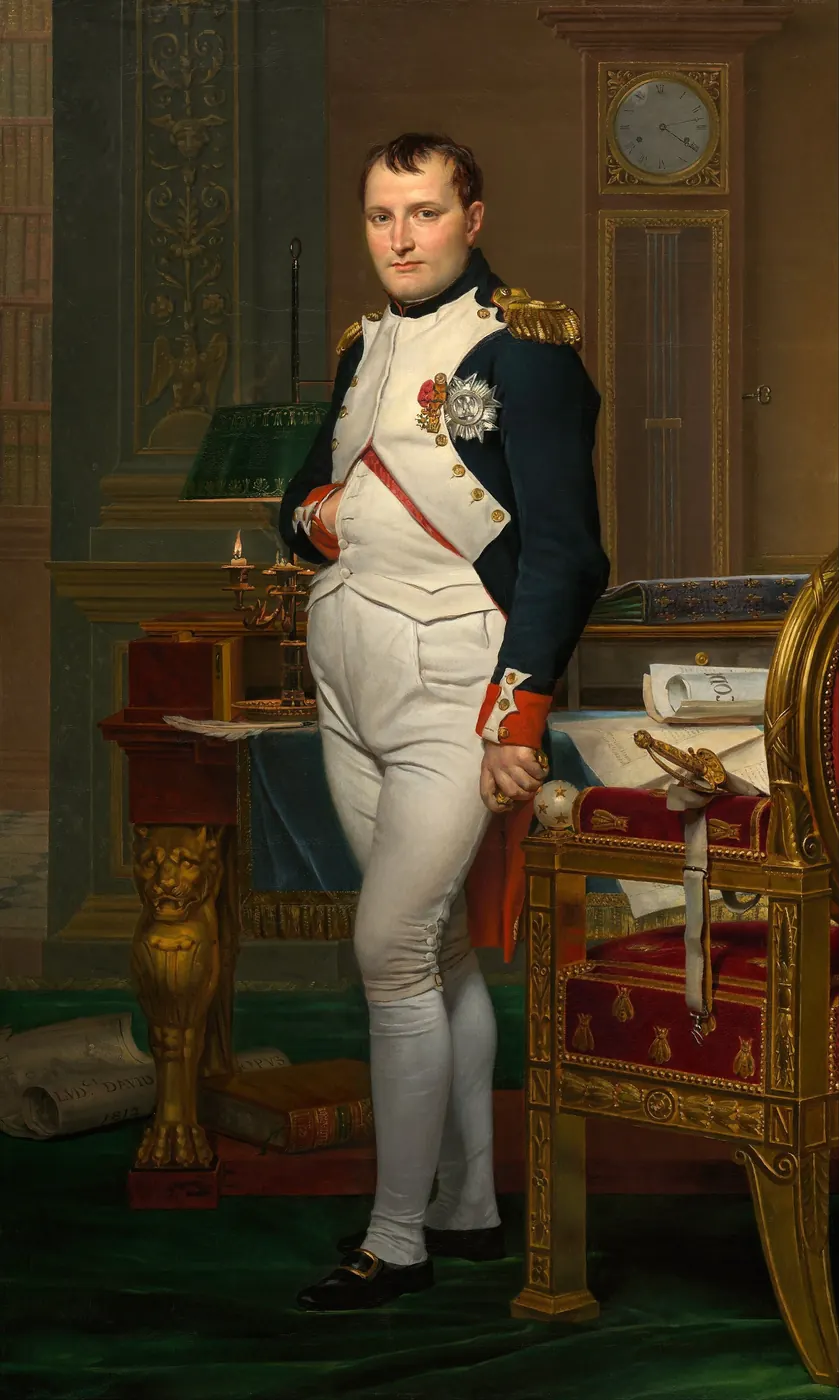
Napoleon Bonaparte
Emperor of the French
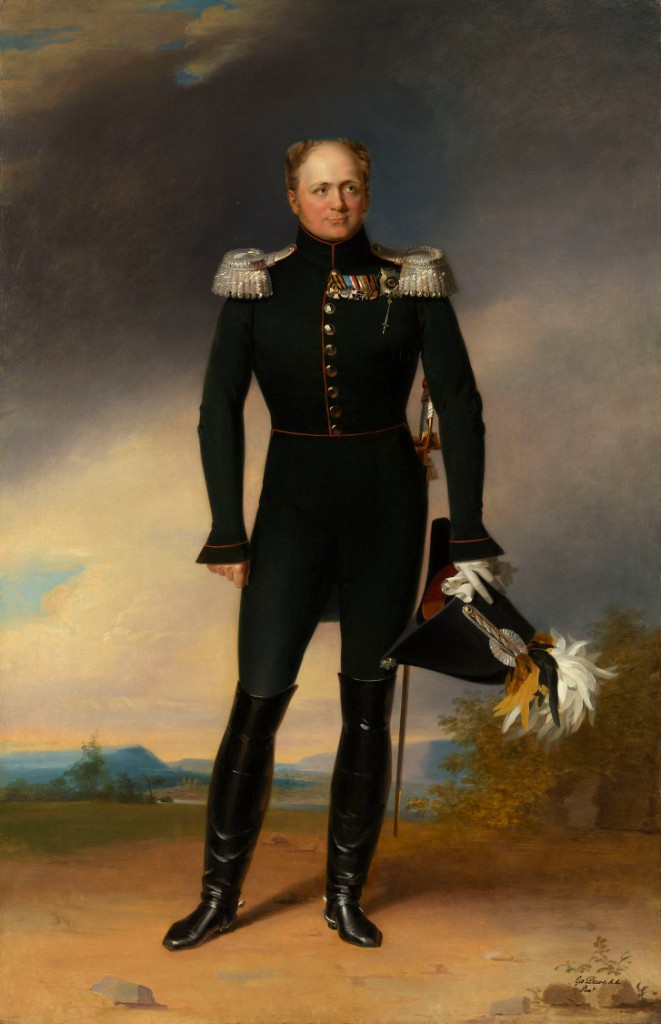
Alexander I Pavlovich, Emperor of all Russia
Emperor of all Russia (1801–1825)
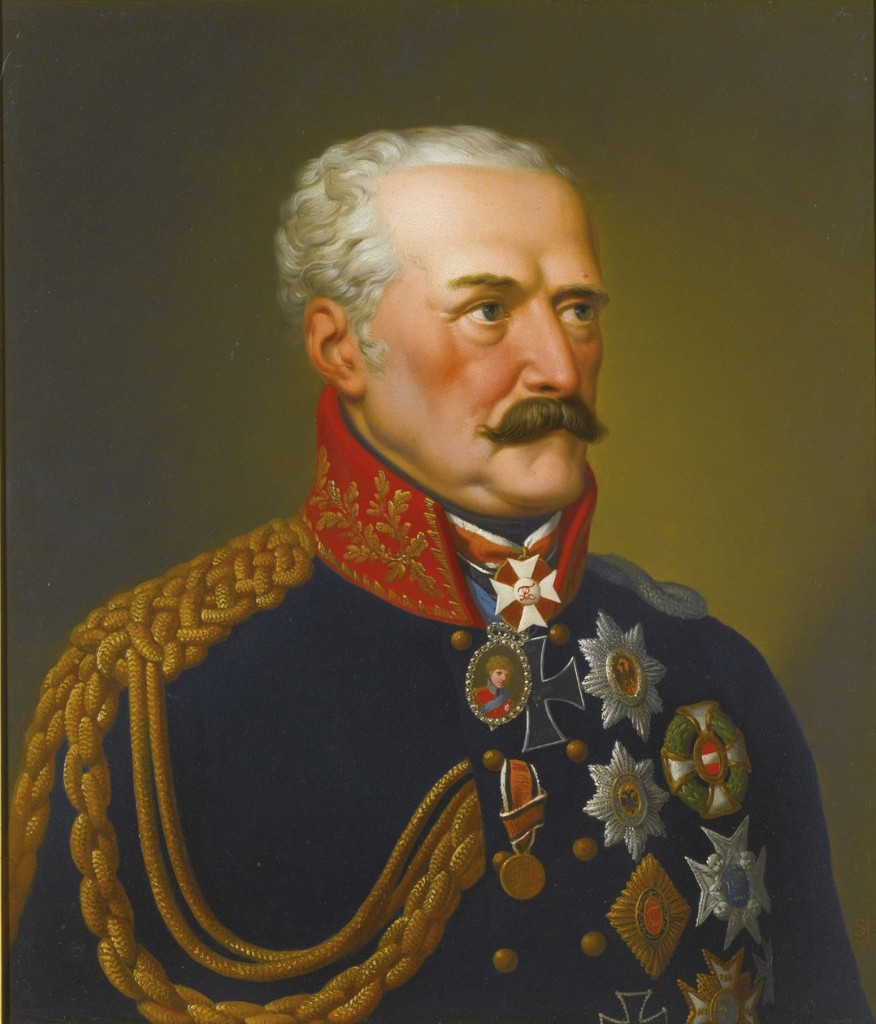
Gebhard Leberecht von Blücher, Prince of Wahlstatt
Prussian general, field marshal on coalition battlefields
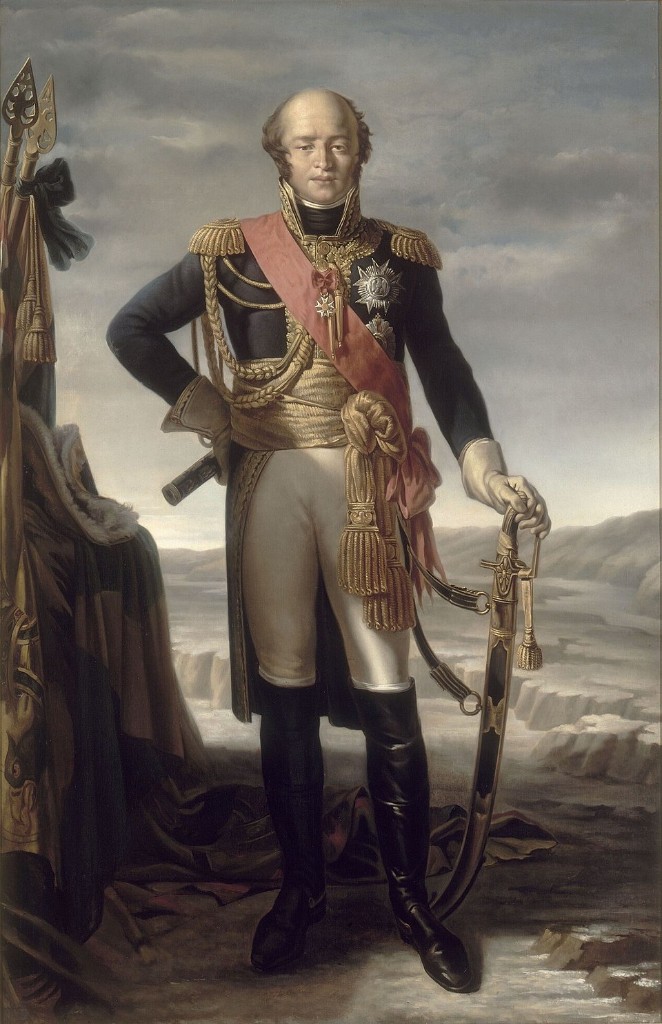
Louis-Nicolas Davout
Marshal of the Empire, Prince of Eckmühl
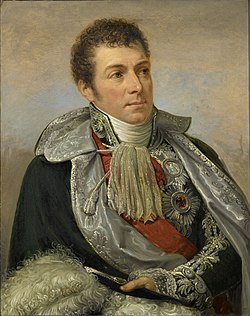
Louis-Alexandre Berthier
Marshal of the Empire, Prince of Neuchâtel and of Wagram, major-general of the Grande Armée (1805–1814)
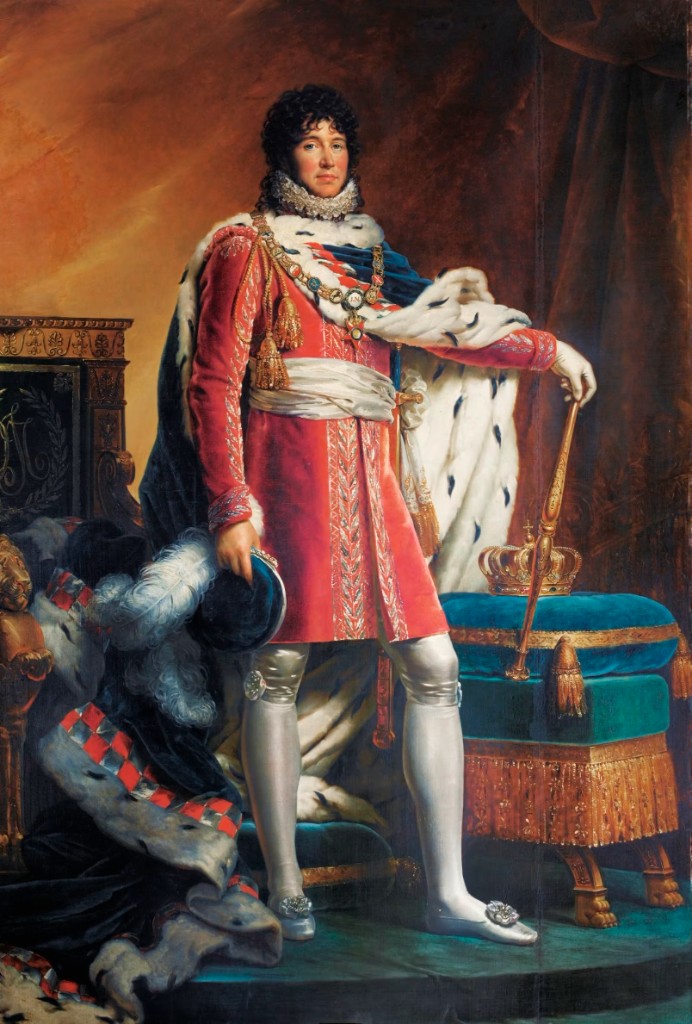
Joachim Murat
Marshal of the Empire, King of Naples
Go further
Recommended books to dig deeper (affiliate links)
Napoleon the Great
Andrew Roberts · 2014
A monumental biography drawing on Napoleon’s 33,000 surviving letters, admiring but rigorous.
See on Amazon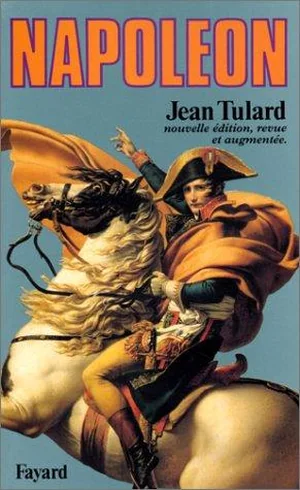
Napoléon ou le mythe du sauveur
Jean Tulard · 1977
The book that reshaped how the man is read: how France gave itself a saviour, and what it cost.
See on Amazon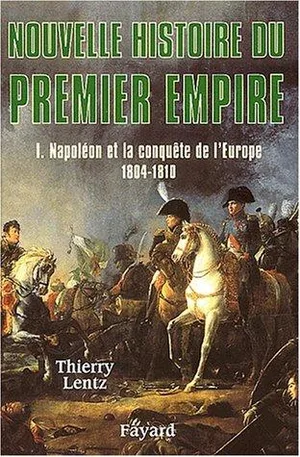
Nouvelle histoire du Premier Empire
Thierry Lentz · 2002-2010
Four reference volumes on institutions, diplomacy and collapse: the scholarly synthesis of the subject.
See on AmazonAs an Amazon Associate, this site earns from qualifying purchases.
Support the encyclopedia
Napoleon Empire is an independent project. Your contribution helps grow the content and keep the site running.
DonateSecure payment on the platform you choose.