Annexed in 1809, proclaimed the Empire's second city and given as a title to the heir, Rome never received a visit from Napoleon. What remains are archaeological excavations and a title: King of Rome.
Historical context
French troops occupied Rome in February 1808; on 17 May 1809 a decree dated from Vienna annexed the Papal States outright. Pius VII replied with excommunication and was abducted seven weeks later. A senatus-consultum of February 1810 made Rome a free imperial city, the Empire's second after Paris, and provided that the heir would bear the title of King of Rome.
The French administration governed for four years under the prefect Camille de Tournon. It was highly active: census, land registry, street lighting, marsh drainage, hospital reform, the suppression of dozens of convents. The city, poor and without industry, resisted passively; the clergy refused the oath en masse, and the occupier deported hundreds of churchmen.
The most visible legacy is archaeological. The Commission for Embellishments cleared the Forum, dug out the arch of Titus and the Colosseum, excavated the temple of Vespasian and laid out the Pincio promenade. For the first time Roman antiquity was treated as a public heritage to be preserved, not as a quarry or a backdrop for villas.
Napoleon never saw the city whose name his son bore. The pope returned in May 1814; the decrees were annulled, the convents reopened, the excavations continued. After 1815 Rome took in Letizia Bonaparte, Cardinal Fesch and several members of the family: the capital the Empire failed to hold became the refuge of its exiles.
Go further
Recommended books to dig deeper (affiliate links)
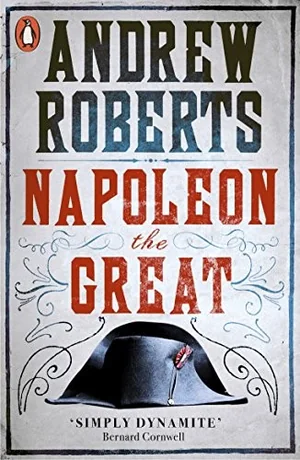
Napoleon the Great
Andrew Roberts · 2014
A monumental biography drawing on Napoleon’s 33,000 surviving letters, admiring but rigorous.
See on Amazon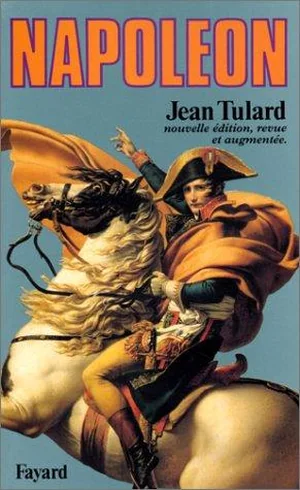
Napoléon ou le mythe du sauveur
Jean Tulard · 1977
The book that reshaped how the man is read: how France gave itself a saviour, and what it cost.
See on Amazon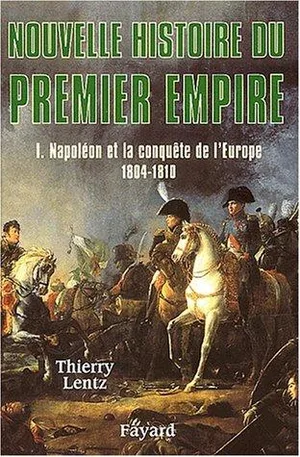
Nouvelle histoire du Premier Empire
Thierry Lentz · 2002-2010
Four reference volumes on institutions, diplomacy and collapse: the scholarly synthesis of the subject.
See on AmazonAs an Amazon Associate, this site earns from qualifying purchases.
Support the encyclopedia
Napoleon Empire is an independent project. Your contribution helps grow the content and keep the site running.
DonateSecure payment on the platform you choose.