Four days after Waterloo
Back in Paris during the night of 20-21 June, the Emperor wanted to raise a new army: a hundred and ten thousand men were still under arms and the northern fortresses held. But the Chamber of Representatives, elected in May and dominated by the liberals, declared itself in permanent session on La Fayette's motion and warned that any dissolution would be high treason.
The council of 22 June
Lucien, back from Italy, urged his brother to dissolve the Chamber and rule by dictatorship. Napoleon refused: "I did not come back from Elba to make the blood of Paris flow." Fouché, Minister of Police and already in contact with Louis XVIII and the Allies, orchestrated the parliamentary pressure.
On the 22nd the Emperor signed: "My political life is over, and I proclaim my son, under the title of Napoleon II, Emperor of the French." The Chamber took note of the abdication but evaded proclaiming the son and appointed a governing commission of five members, chaired by Fouché.
Malmaison, then Rochefort
Napoleon withdrew on 25 June to Malmaison, the home of Joséphine, dead the year before. He offered to serve as a simple general: the commission refused and sent him passports. On the 29th, with the Prussians approaching, he left for Rochefort.
Napoleon II, in Vienna, would never learn that he had reigned a fortnight on paper. Louis XVIII returned to Paris on 8 July; the second Restoration began, and with it the White Terror.
See also
Go further
Recommended books to dig deeper (affiliate links)
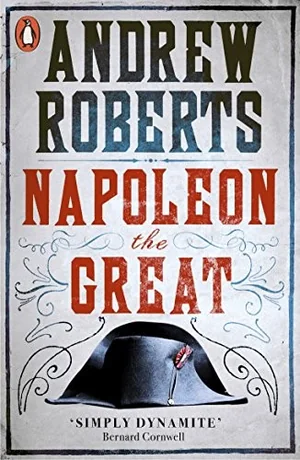
Napoleon the Great
Andrew Roberts · 2014
A monumental biography drawing on Napoleon’s 33,000 surviving letters, admiring but rigorous.
See on Amazon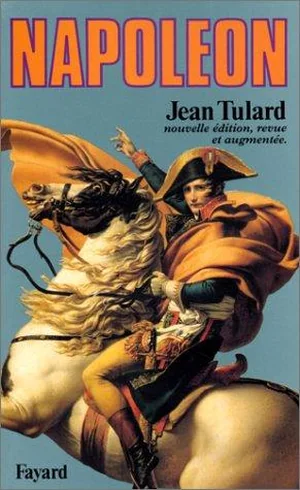
Napoléon ou le mythe du sauveur
Jean Tulard · 1977
The book that reshaped how the man is read: how France gave itself a saviour, and what it cost.
See on Amazon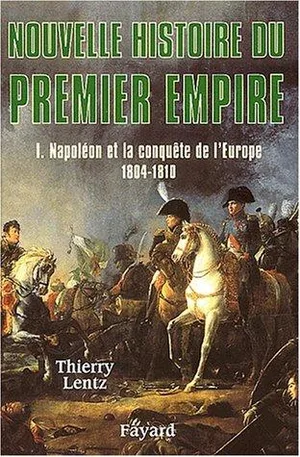
Nouvelle histoire du Premier Empire
Thierry Lentz · 2002-2010
Four reference volumes on institutions, diplomacy and collapse: the scholarly synthesis of the subject.
See on AmazonAs an Amazon Associate, this site earns from qualifying purchases.
Support the encyclopedia
Napoleon Empire is an independent project. Your contribution helps grow the content and keep the site running.
DonateSecure payment on the platform you choose.