Joséphine bought Malmaison in April 1799 while Bonaparte was in Egypt. The house became a second seat of consular power, then her own residence after the divorce — and Napoleon's last retreat in June 1815.
Historical context
The purchase was an expensive impulse: over 300,000 francs for a country house, decided without waiting for the consent of a husband absent for a year. Bonaparte, back from Egypt, paid up and adopted the place. Within months Percier and Fontaine invented the Consulate style there: the bedroom shaped like a military tent, the mahogany-and-bronze library, the council room hung with stripes like a campaign marquee. The décor was as much staging as comfort.
From 1800 to 1802, Malmaison governed. The First Consul held council there two or three days a week, argued articles of the Civil Code, received ministers between rounds of prisoner's base in the park. No etiquette yet, no throne: power worked in civilian dress. The move to the Tuileries closed that parenthesis.
After the divorce of December 1809, Joséphine withdrew there, keeping the title of Empress and a considerable pension. She built what remains her true masterpiece: the hothouses, the two hundred varieties of rose painted by Redouté, a menagerie of kangaroos, emus and black swans shipped from Australia. She died on 29 May 1814, aged fifty, days after walking in the park with Tsar Alexander.
Napoleon returned one last time from 25 to 29 June 1815, after the second abdication. He waited for passports that never came, visited the room where she had died, then left for Rochefort and the Bellerophon. Saved in the nineteenth century and given to the State in 1904 by the patron Daniel Iffla-Osiris, the house is now the best-preserved museum of imperial private life.
Go further
Recommended books to dig deeper (affiliate links)
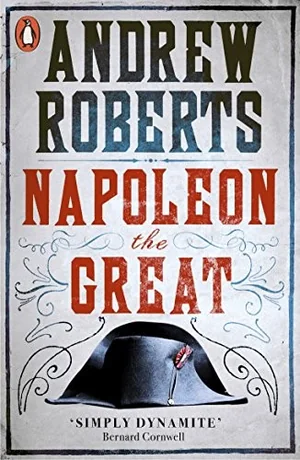
Napoleon the Great
Andrew Roberts · 2014
A monumental biography drawing on Napoleon’s 33,000 surviving letters, admiring but rigorous.
See on Amazon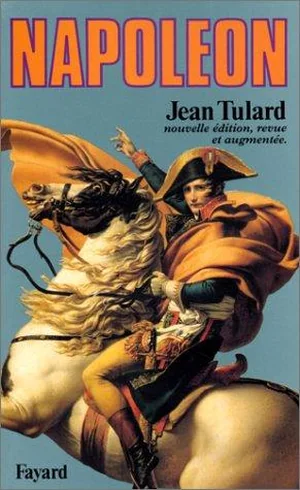
Napoléon ou le mythe du sauveur
Jean Tulard · 1977
The book that reshaped how the man is read: how France gave itself a saviour, and what it cost.
See on Amazon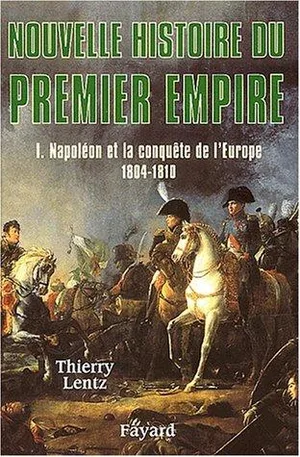
Nouvelle histoire du Premier Empire
Thierry Lentz · 2002-2010
Four reference volumes on institutions, diplomacy and collapse: the scholarly synthesis of the subject.
See on AmazonAs an Amazon Associate, this site earns from qualifying purchases.
Support the encyclopedia
Napoleon Empire is an independent project. Your contribution helps grow the content and keep the site running.
DonateSecure payment on the platform you choose.