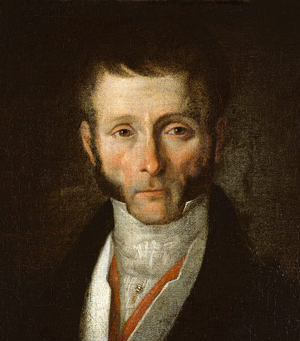
Born at Le Pellerin near Nantes in 1759, Joseph Fouché lived the Revolution as a regicide conventionnel, representative on mission at Lyon and in the Nièvre, a feared figure of dechristianisation and Year II repression, then as a survivor of 9 Thermidor. Minister of Police under the Directory, he was one of the discreet facilitators of 18 Brumaire; he held the same portfolio under the Consulate until his disgrace in 1802, then returned after the Duc d'Enghien affair to build an unprecedented imperial police — agents, shadowing, opened letters — while maintaining parallel threads with England and the Bourbons. Sidelined in 1810 for Savary, he remained a senator and a man of wealth. In 1814–1815 he embodied political transition: negotiator of Louis XVIII's return, minister during the Hundred Days, president of the provisional government after Waterloo, finally exiled to Austria where he died at Trieste in 1820. His trajectory sums up the « state policeman » between revolutionary ideology and post-Napoleonic raison d'état.
Oratorian, Convention, provincial missions, and survival of 9 Thermidor
Joseph Fouché was born on 21 May 1759 at Le Pellerin, a maritime suburb of Nantes, into a family where his father worked as a sea captain. Studies led him to the Oratorians: he taught rhetoric in several colleges — Arras, Nîmes, Paris — with a reputation as a cold intellectual, little drawn to mysticism, very attentive to networks and patrons. The Revolution seized him in passing: in 1792 he renounced his vows, married, was elected deputy of the Loire-Inférieure to the Convention. On 17 January 1793 he voted for Louis XVI's death, without flowery speech but steadily — a vote that would mark his card for the whole restored monarchy. Missions first sent him to the Nièvre, where he zealously applied dechristianising policy: public worship attacked, republican calendar, surveillance of refractory priests.
At Lyon in autumn 1793, the conjunction was tragic: the city had just been retaken from the federalists after a bloody siege. Fouché, alongside Collot d'Herbois, sat on a revolutionary commission whose sentences shot or drowned hundreds by hundreds — the « mitraillades » of the Champ de Sathonay remain in collective memory as a symbol of Terror applied in the provinces. Exact figures and responsibilities have been debated by scholarship; none disputes that Fouché gained there the image of a man able to execute the policy of the moment without flinching. Back in Paris, he drew close to circles that judged Robespierre excessive; when the Incorruptible accused him of « moderation », it was because he had begun to measure the political cost of a Terror without end.
On 9 Thermidor Year II, Fouché was not in the front rank of the plot, but he rallied in time to the conventionnels who overthrew Robespierre. That flexibility saved his head and opened his legend: he who had served Terror and celebrated the fall of terrorisms. Under the Thermidorian Convention then the Directory, he alternated discreet partial disgrace and return to affairs; his ability to read factional balances became his main capital. The Revolution taught him two lessons: power is held through information; ideological loyalty is a luxury successive regimes do not always pay for.
Later debate over his responsibility in the Lyon shootings feeds polemic between apologists and detractors: for some he only applied instructions from Paris; for others he embodied the bureaucracy of blood. Whatever the case, the young conventionnel acquired practical experience of state terror that no other future minister of Napoleon possessed to the same degree — grim expertise that partly explains successive leaders' paradoxical trust in his ability to « manage » political violence without letting it overflow.
The Directory, 18 Brumaire, and the first Consular police
In July 1799 the Directory appointed Fouché Minister of Police. The regime was weakened by finance, royalists and Jacobins, repeated military coups. Fouché reorganised the rue des Saussaies: nominal files, piece-rate paid agents, systematic opening of suspect mail, shadowing in cafés and theatres. He knew what the Luxembourg salons plotted and what émigrés prepared in London. That displayed omniscience alarmed other ministers; it seduced Bonaparte, back from Egypt, who needed a relay in Paris while he prepared Brumaire. Historians still debate the degree of Fouché's active complicity in the coup; all agree he did not prevent it and placed himself on the right side of the sénatus-consulte.
Under the Consulate, Fouché remained at Police until 1802. He foiled royalist plots, watched the last Jacobins, delivered daily reports to Bonaparte mixing verified facts and useful rumours. Talleyrand and others saw him as a dangerous rival: a minister without a military portfolio but with files on everyone. Napoleon, still First Consul, chose to remove him in 1802 — a gesture of domestication more than rupture. Fouché withdrew to Switzerland, then negotiated partial recall as senator; he kept informants and bank accounts that did not sleep.
The Consular phase fixed the Fouché model: a political police built on controlled disinformation, selective denunciation, and the illusion that « everything is known ». The myth of the minister who read conspirators' thoughts fed nineteenth-century literature; archives show a meticulous administrator, sometimes victim of his own over-optimistic reports. 9 Thermidor, etched in collective imagination as break between Terror and moderation, also backs this rise: Fouché embodies the man who changed camp at the right moment — a quality his enemies call cowardice and pragmatists call realism.
The rue des Saussaies became metaphor of a parallel power: opaque budgets, secret funds, mail opened at post relays. The system went beyond simple order-keeping; it manufactured the daily « raison d'état » of a regime that had to reassure notables, watch ideas, and neutralise plots without making them public too soon.
The Duc d'Enghien affair and the imperial Ministry of Police
The summary execution of the Duc d'Enghien at the château of Vincennes on the night of 20–21 March 1804 remains one of the most controversial acts of the late Consulate. Fouché, recalled shortly before to retake Police, was caught in the decision chain: military enrolment, counsel, public justification of kidnapping on German soil. Napoleon needed a minister who executed fast and documented real or supposed plots; Fouché supplied files, arrests, emergency propaganda. In July 1804 he officially returned to the ministry; the Empire's proclamation a few months later integrated him into the new nomenclature of grand dignitaries.
Imperial police went far beyond Paris: agents in conquered departments, surveillance of officers, returned émigrés, pamphleteers, bankers who funded opposition. Fouché organised repression of the Cadoudal plot and the « infernal machines »: wave arrests, public trials displaying the state's omnipotence. General Moreau, caught in intrigues, faced exile. In 1808 Napoleon raised Fouché to the duchy of Otranto — a Neapolitan title become symbolic apanage of a man without an army but with thousands of manuscript reports. Personal fortune grew: speculation, sales of favours, foreign pensions that the police itself noted in embarrassed margins.
Meanwhile Fouché kept secret channels with Bourbon émigrés and British intermediaries. This double game was not chance: it was insurance against the Emperor's fall, but also a way to negotiate his own survival. Napoleon, informed by other services, raged in council; yet he rarely dismissed Fouché definitively while plots still threatened. The relationship was that of a master using a corrosive instrument knowing it gnawed the handle too.
The « infernal machine » attack (Year IX) then the repressive wave around the Cadoudal plot (1804) placed police at the centre of the national narrative: spectacular arrests, interrogations, publication of evidence to convince opinion that the Republic — then the Empire — defended itself against aristocratic and British plots. Fouché found occasion there to restore his usefulness after months in shadow; he knew how to turn collective emotion into police legitimacy, even if some links between conspirators were overstated.
Disgrace of 1810, Senate, and parallel networks
In 1810 Napoleon merged the general police with the Interior Ministry and entrusted the whole to Anne-Jean-Marie-René Savary — Joseph Fouché was sidelined. The Duke of Rovigo, a military man of trust, embodied a Bonapartist orthodoxy that contrasted with Fouchéan flexibility. The eviction was public humiliation: Fouché remained senator, duke, wealthy, but outside the cabinet. He devoted energy to managing his estates, directing cultural institutions, backstage intrigues where he still received letters deciphered in advance by loyal former subordinates. Contemporary memoirs claim he kept feeding foreign cabinets with gold-paid « news »; modern scholarship separates attested fact from legend.
The Russian campaign and the Grand Army's disintegration reinforced pessimistic forecasts Fouché collected. He was no longer at the centre of the apparatus, but his card as introducer to the Coalition had not expired. When Austrian and Prussian armies entered France in early 1814, negotiations for a controlled abdication also passed through men Talleyrand and Fouché knew how to mobilise. The Emperor, cornered at Fontainebleau, had to deal with those already preparing Restoration without wanting a purging counter-revolution that would set the country ablaze.
Fouché was neither philosopher nor ideologue: he read power balances as a commissioner reads a file. His stance in 1813–1814 foreshadowed what he would hold in the Hundred Days: serve the power in place while keeping open the retreat line to the victors. That strategy earned him the enmity of zealous Bonapartists and ultra-royalists alike; yet it secured him a role in the weeks when Europe shifted from Empire to Bourbons.
1814–1820: Restoration, Hundred Days, provisional government, and exile
In March 1814 the Coalition entered Paris. Fouché negotiated with Talleyrand and Allied representatives; he contributed to the machinery leading to Napoleon's abdication and Louis XVIII's return. The pragmatic king appointed him Minister of Police despite the regicide past — a gesture that scandalised the ultras. Fouché reorganised surveillance in an occupied Paris, calmed the press, handed over a few heads to soothe royalist opinion without triggering civil war. When Napoleon landed in March 1815, Fouché remained minister under Louis XVIII then shifted without apparent break: he balanced lines until the Empire was restored; Napoleon recalled him to the Ministry of Police — proof each regime still believed it needed the man of the files.
The Hundred Days saw Fouché serve Napoleon while maintaining contacts with Wellington and Bourbon agents. After Waterloo, he chaired the provisional government charged with avoiding anarchy and negotiating conditions for the Second Restoration. Official bulletins and contradictory memoirs embroidered his exact role; the sequence shows at least a man able to speak simultaneously to defeated marshals, hesitant chambers, and foreign ambassadors. Louis XVIII appointed him minister one last time, then yielded to the ultras: Fouché had to leave France, settle in Austria under surveillance, then drift between Prague and Trieste.
He died on 26 December 1820 at Trieste, in relative moral more than material want — still wealthy, but reviled by both sides. His career summed an era when political police became a pillar of the modern state, between revolutionary and imperial, and when mutual treason was sometimes analysed as technical skill. Napoleon on Saint Helena, Talleyrand at his desk, the ultras in the Chamber: each kept a version of Fouché; none held him a saint, several acknowledged the cold efficiency of the man who survived every regime except the last, which drove him from the game.
Discover other characters
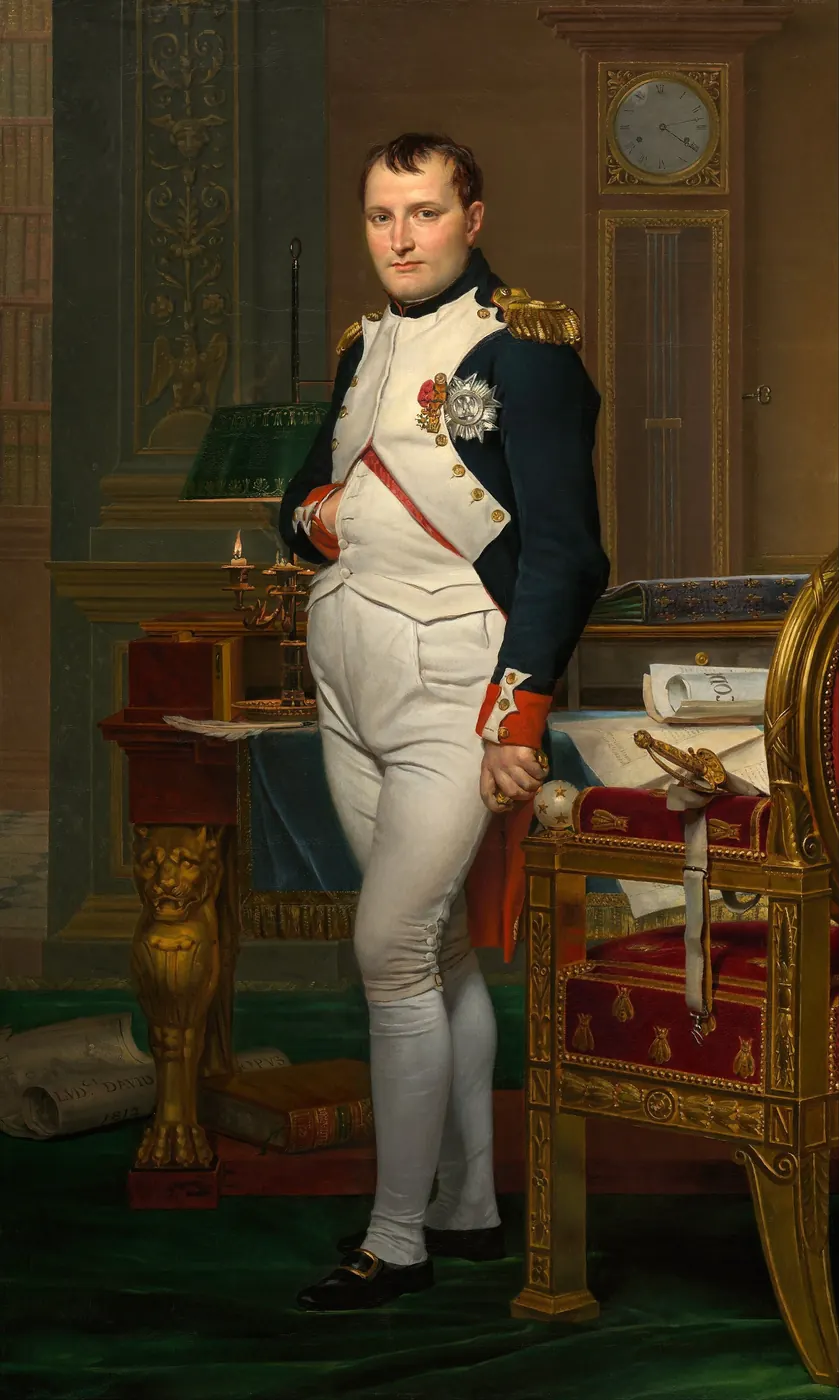
Napoleon Bonaparte
Emperor of the French
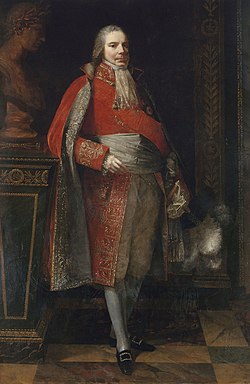
Charles-Maurice de Talleyrand
Minister for Foreign Affairs, Prince of Benevento, diplomat
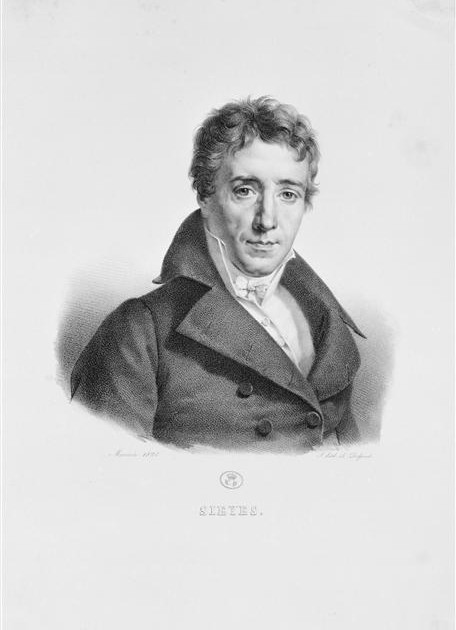
Emmanuel Joseph Sieyès
Political theorist, deputy, Director, Consul
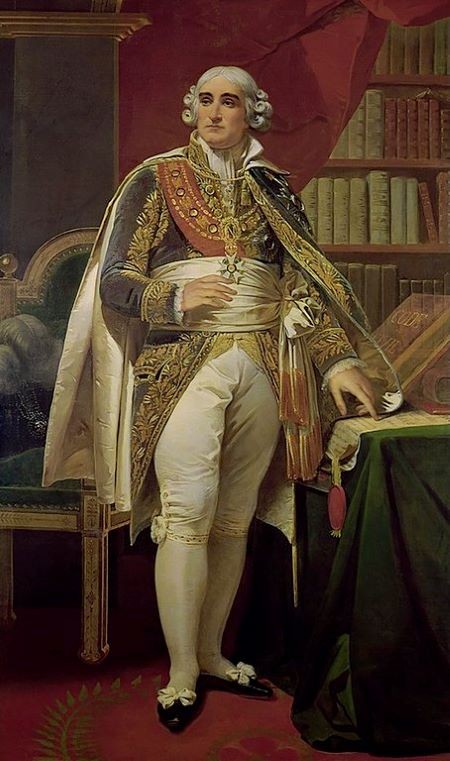
Jean-Jacques Régis de Cambacérès
Second Consul, Archchancellor of the Empire, principal architect of the Civil Code (1804)
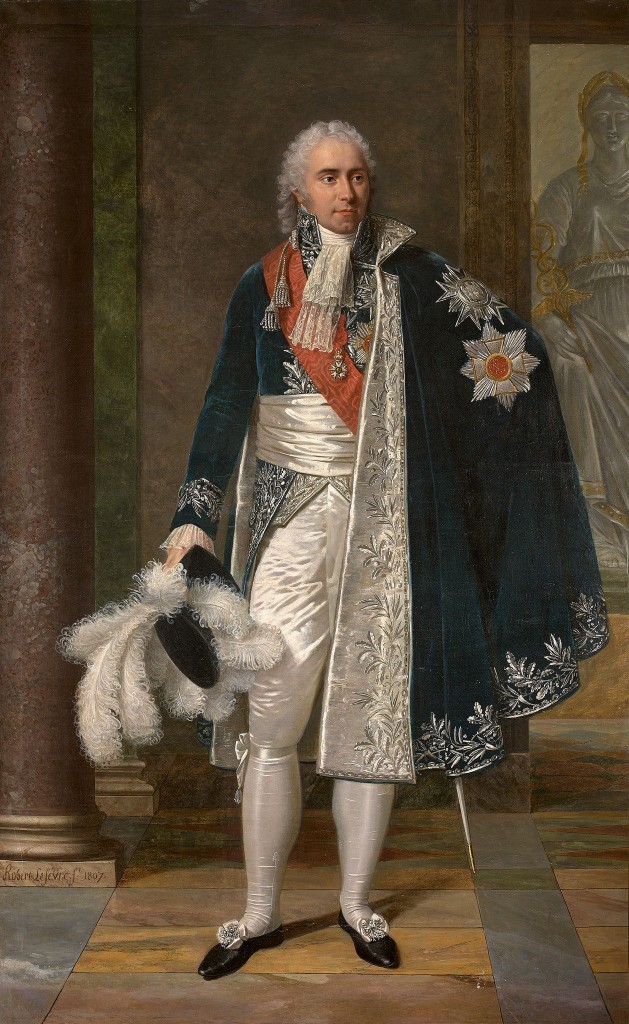
Hugues-Bernard Maret
Duke of Bassano, Secretary-General of the Government then Minister for Foreign Affairs and Secretary of State (1811–1813)
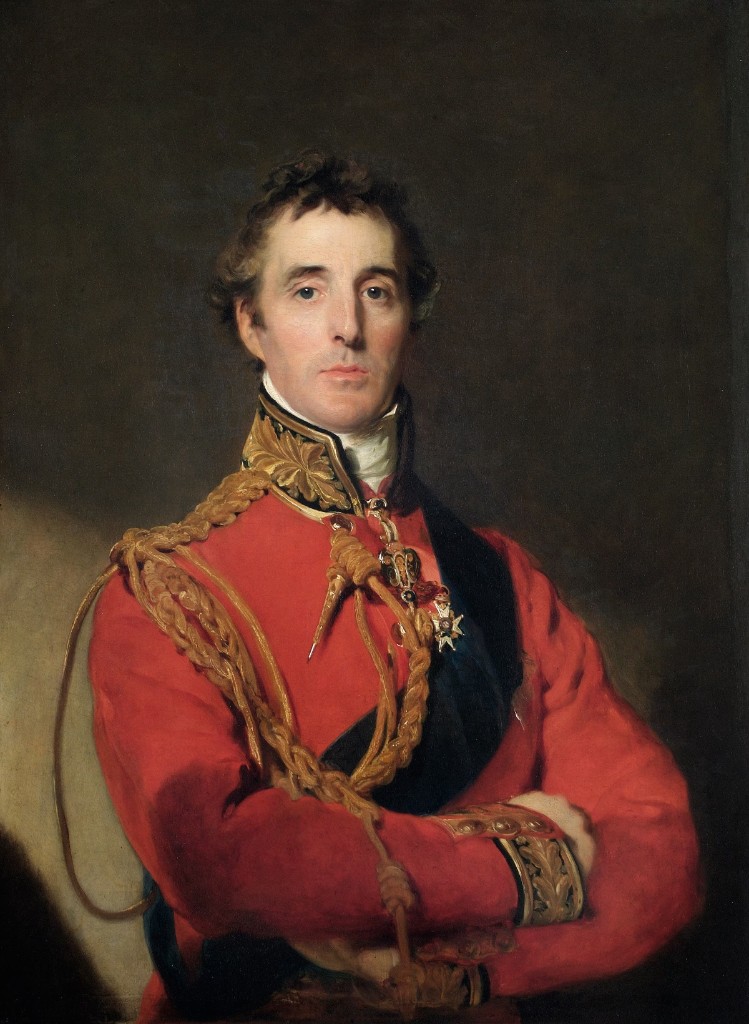
Arthur Wellesley, 1st Duke of Wellington
British general, victor of Waterloo, Prime Minister
Go further
Recommended books to dig deeper (affiliate links)
Napoleon the Great
Andrew Roberts · 2014
A monumental biography drawing on Napoleon’s 33,000 surviving letters, admiring but rigorous.
See on Amazon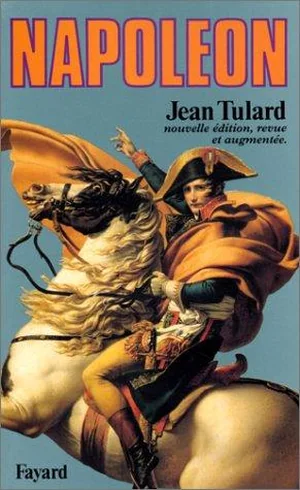
Napoléon ou le mythe du sauveur
Jean Tulard · 1977
The book that reshaped how the man is read: how France gave itself a saviour, and what it cost.
See on Amazon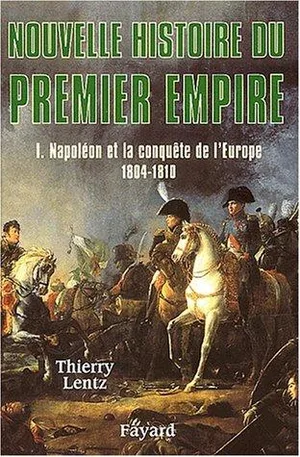
Nouvelle histoire du Premier Empire
Thierry Lentz · 2002-2010
Four reference volumes on institutions, diplomacy and collapse: the scholarly synthesis of the subject.
See on AmazonAs an Amazon Associate, this site earns from qualifying purchases.
Support the encyclopedia
Napoleon Empire is an independent project. Your contribution helps grow the content and keep the site running.
DonateSecure payment on the platform you choose.