Seized from Rome in July 1809, Pope Pius VII was held for nearly three years in the bishop's palace at Savona, in Liguria. Isolated and cut off from his advisers, he still refused to institute the bishops named by the Emperor.
Historical context
The conflict had been building since the Continental Blockade: Napoleon demanded that the papal ports close to the British, the Pope refused in the name of spiritual neutrality. In May 1809 the Papal States were annexed; Pius VII replied with the bull Quum memoranda, excommunicating the despoilers. In the night of 5-6 July, General Radet scaled the Quirinal and abducted the Pope — on an order Napoleon denied giving and never disavowed.
After an exhausting journey through Grenoble and Nice, Pius VII was installed in August 1809 in the bishop's palace at Savona. It was the regime of a well-treated hostage: decent apartments, but controlled mail, filtered visitors, cardinals kept at a distance. Even his ring and his pens were taken away to stop him writing briefs.
The trial of strength turned on one precise and decisive point: canonical institution. Napoleon appointed bishops, but only the Pope could give them jurisdiction. Pius VII refused, and thirty dioceses stood vacant. The national council convened in Paris in 1811 failed to get round the obstacle; the Church of France was split between loyalty to the sovereign and loyalty to the See of Peter.
In June 1812, on the eve of the Russian campaign, the sick Pope was forcibly moved to Fontainebleau by forced stages, under a false name. There in January 1813 he signed a concordat which he retracted two months later. Freed in January 1814, he re-entered Rome on 24 May to a popular triumph. Savona made this old man without an army one of the few adversaries the Empire never managed to bend.
Go further
Recommended books to dig deeper (affiliate links)
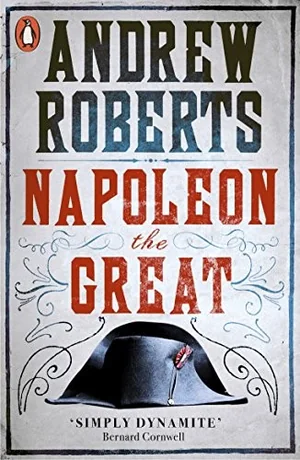
Napoleon the Great
Andrew Roberts · 2014
A monumental biography drawing on Napoleon’s 33,000 surviving letters, admiring but rigorous.
See on Amazon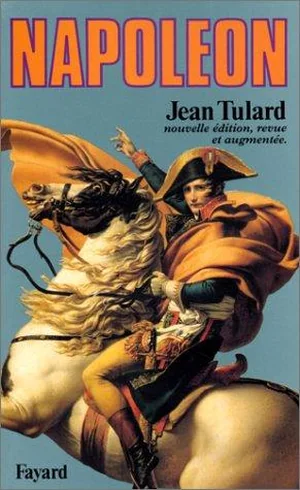
Napoléon ou le mythe du sauveur
Jean Tulard · 1977
The book that reshaped how the man is read: how France gave itself a saviour, and what it cost.
See on Amazon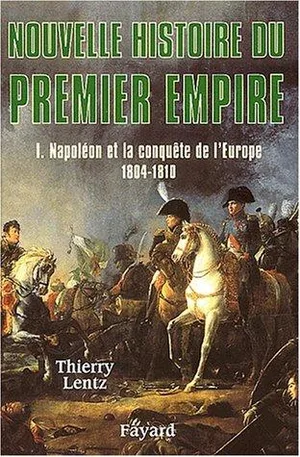
Nouvelle histoire du Premier Empire
Thierry Lentz · 2002-2010
Four reference volumes on institutions, diplomacy and collapse: the scholarly synthesis of the subject.
See on AmazonAs an Amazon Associate, this site earns from qualifying purchases.
Support the encyclopedia
Napoleon Empire is an independent project. Your contribution helps grow the content and keep the site running.
DonateSecure payment on the platform you choose.