After the annexation of 1809 the popes' palace was converted at great expense into an imperial residence for a visit that never took place. It is also the palace from which Pius VII was abducted.
Historical context
Monte Cavallo, the popes' summer residence since the late sixteenth century, became a stake as soon as Rome was occupied in February 1808. It was there that General Radet, in the night of 5-6 July 1809, had the walls scaled and abducted Pius VII to take him to Savona. The pope was gone; the palace remained, and the Empire decided to move in.
Rome had just been annexed and proclaimed the Empire's second city; the heir would bear the title of King of Rome. A residence to match was needed. The works, entrusted to Raffaele Stern and then to Franco-Italian teams, lasted four years: imperial apartments, state rooms, neoclassical decoration, commissions to sculptors and painters fed by state patronage.
Canova, called on as the tutelary figure of Roman art, acted as intermediary in several of these projects, not without reluctance towards a power that had imprisoned the pope. Everything was ready in 1812 for an imperial visit that the Russian campaign, then the collapse of 1813, prevented for good. Napoleon never set foot in Rome.
Pius VII returned in 1814 and recovered a palace renovated at his jailer's expense. The Quirinal became a royal palace in 1871, then the residence of the presidents of the Italian Republic in 1946. The decoration commissioned by the Empire is still visible there: the most expensive trace of a Roman reign that never began.
Go further
Recommended books to dig deeper (affiliate links)
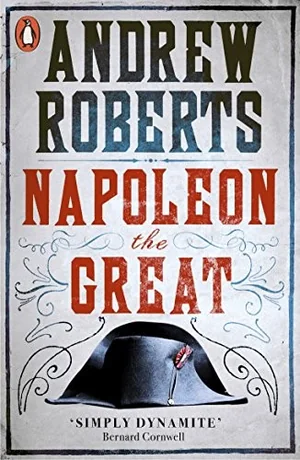
Napoleon the Great
Andrew Roberts · 2014
A monumental biography drawing on Napoleon’s 33,000 surviving letters, admiring but rigorous.
See on Amazon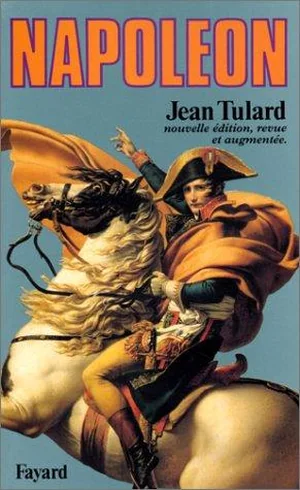
Napoléon ou le mythe du sauveur
Jean Tulard · 1977
The book that reshaped how the man is read: how France gave itself a saviour, and what it cost.
See on Amazon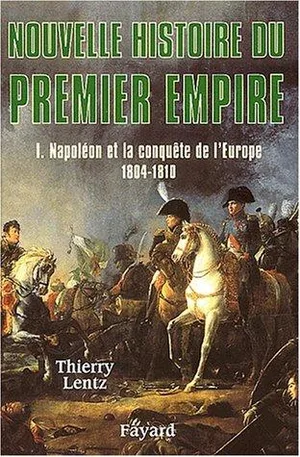
Nouvelle histoire du Premier Empire
Thierry Lentz · 2002-2010
Four reference volumes on institutions, diplomacy and collapse: the scholarly synthesis of the subject.
See on AmazonAs an Amazon Associate, this site earns from qualifying purchases.
Support the encyclopedia
Napoleon Empire is an independent project. Your contribution helps grow the content and keep the site running.
DonateSecure payment on the platform you choose.