“Before Grenoble I was an adventurer; at Grenoble I was a prince.” The city meant to stop him gave him a garrison, a fortress and the legitimacy the return had lacked.
Historical context
On the evening of 7 March 1815, after the rallying at Laffrey, the column arrived before Grenoble. The governor had the gates shut, but the garrison refused to fire and the townspeople joined in: the Porte de Bonne was battered down with a beam. Having no keys, inhabitants brought Napoleon the fragments of the broken gate — he kept them as a trophy.
The city gave him what he lacked. Until then he had a thousand men and a wager; he left with seven thousand soldiers, artillery, an arsenal and a first-rank fortress. The words he used at Saint Helena sum up the shift exactly: "Before Grenoble I was an adventurer; at Grenoble I was a prince."
The choice of city was no accident. The Dauphiné had stayed attached to the revolutionary legacy and bore the return of privilege badly; the garrison was made up of veterans put on half-pay by the Restoration. Grenoble had already given a signal in 1788, on the Day of the Tiles, one of the first riots announcing the Revolution.
From Golfe-Juan to Grenoble, the route of March 1815 is now called the Route Napoléon, opened in 1932 and marked with eagles at the stages. The journey took six days; one was enough for the enterprise to stop being an adventure.
Go further
Recommended books to dig deeper (affiliate links)
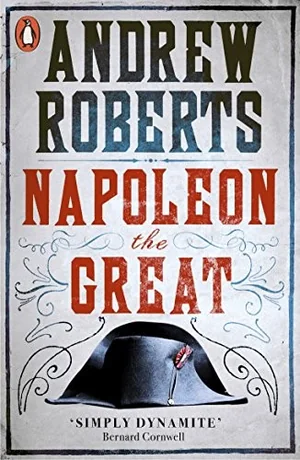
Napoleon the Great
Andrew Roberts · 2014
A monumental biography drawing on Napoleon’s 33,000 surviving letters, admiring but rigorous.
See on Amazon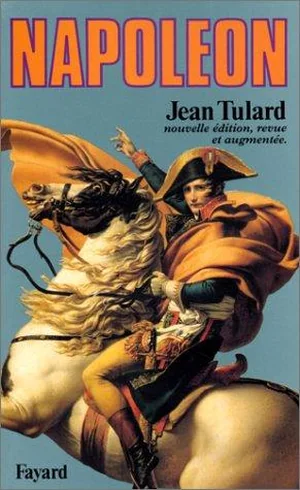
Napoléon ou le mythe du sauveur
Jean Tulard · 1977
The book that reshaped how the man is read: how France gave itself a saviour, and what it cost.
See on Amazon
Nouvelle histoire du Premier Empire
Thierry Lentz · 2002-2010
Four reference volumes on institutions, diplomacy and collapse: the scholarly synthesis of the subject.
See on AmazonAs an Amazon Associate, this site earns from qualifying purchases.
Support the encyclopedia
Napoleon Empire is an independent project. Your contribution helps grow the content and keep the site running.
DonateSecure payment on the platform you choose.