An ally turned into a province
Spain had been an ally since 1796. The Treaty of Fontainebleau of October 1807 allowed French troops to pass through in order to invade Portugal, still open to the British; but the French corps also occupied the Spanish fortresses. The quarrel between Charles IV and his son Ferdinand supplied the pretext: summoned to Bayonne in May 1808, both abdicated in favour of Napoleon, who gave the crown to his brother Joseph.
The guerrilla
The Madrid rising of 2 May spread to the provinces within weeks. Dupont's surrender at Bailén on 22 July was the first capitulation of an imperial army in the open field: all Europe heard of it. The two sieges of Saragossa revealed a war of streets and convents in which the whole population fought.
Napoleon came in person in the autumn of 1808, retook Madrid and scattered the regular armies; but as soon as he left, the guerrilla revived. Two to three hundred thousand men remained tied down holding roads, not a country.
The ulcer
Landed in Portugal, Wellington relied on the lines of Torres Vedras, wore Masséna down and then took the offensive: Salamanca in 1812, Vitoria in June 1813. Soult and Suchet fell back to the Pyrenees; the war ended on French soil itself, at Toulouse, in April 1814.
The cost was twofold: hundreds of thousands of dead and an open wound at the very moment when everything had to go to Russia, but also a political lesson — Goya's Disasters of War say what Europe would remember of the armies of liberty.
See also
Go further
Recommended books to dig deeper (affiliate links)
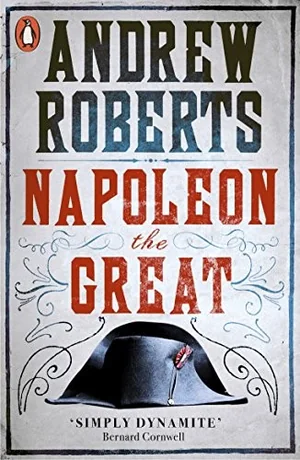
Napoleon the Great
Andrew Roberts · 2014
A monumental biography drawing on Napoleon’s 33,000 surviving letters, admiring but rigorous.
See on Amazon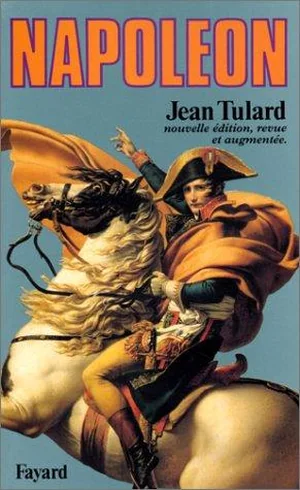
Napoléon ou le mythe du sauveur
Jean Tulard · 1977
The book that reshaped how the man is read: how France gave itself a saviour, and what it cost.
See on Amazon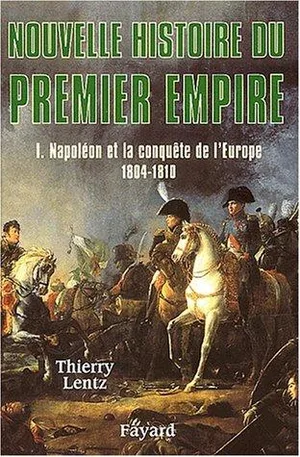
Nouvelle histoire du Premier Empire
Thierry Lentz · 2002-2010
Four reference volumes on institutions, diplomacy and collapse: the scholarly synthesis of the subject.
See on AmazonAs an Amazon Associate, this site earns from qualifying purchases.
Support the encyclopedia
Napoleon Empire is an independent project. Your contribution helps grow the content and keep the site running.
DonateSecure payment on the platform you choose.