A war that cannot be won at sea
Trafalgar had removed any possibility of invasion; London replied in May 1806 by declaring a blockade of the coast from the Elbe to Brest. Napoleon turned the weapon round: since England lived by its trade, the continent would be closed to it. The decree was signed in Berlin, in a Prussian capital occupied for the past fortnight.
The text
The British Isles were declared in a state of blockade; all trade and correspondence with them were forbidden; every English subject found in occupied territory became a prisoner of war; all English goods or goods from its colonies were lawful prize. The Milan decree of December 1807 added that any neutral ship having touched an English port was deemed denationalised.
London retaliated with the Orders in Council, which obliged neutrals to call at a British port: the United States, caught between the two systems, decreed an embargo and then went to war with England in 1812.
What the blockade cost the Empire
The Atlantic ports — Bordeaux, Nantes, Marseille — collapsed, while the textile industry of the north and Alsace profited from a protected continental market. Smuggling became massive: the licence system created in 1809 amounted to selling exemptions, and the Trianon tariffs to taxing what was supposedly banned.
Above all, the blockade imposed its political logic: every coastline had to be controlled. Hence the annexation of Holland, the occupation of the Hanseatic cities, the Spanish war and, in 1812, the Russian campaign. The economic weapon dictated strategy and ended by wearing the Empire out.
Go further
Recommended books to dig deeper (affiliate links)
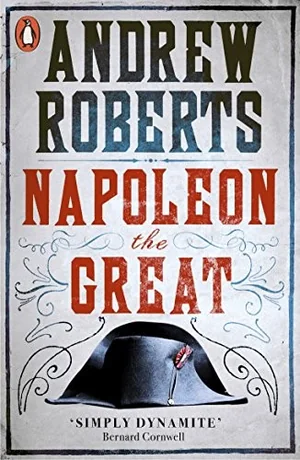
Napoleon the Great
Andrew Roberts · 2014
A monumental biography drawing on Napoleon’s 33,000 surviving letters, admiring but rigorous.
See on Amazon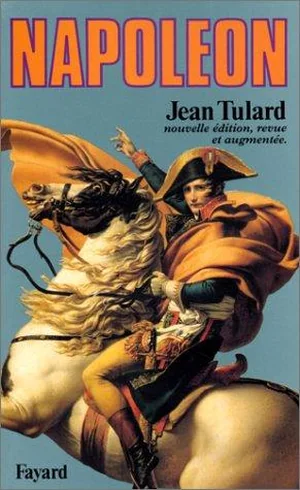
Napoléon ou le mythe du sauveur
Jean Tulard · 1977
The book that reshaped how the man is read: how France gave itself a saviour, and what it cost.
See on Amazon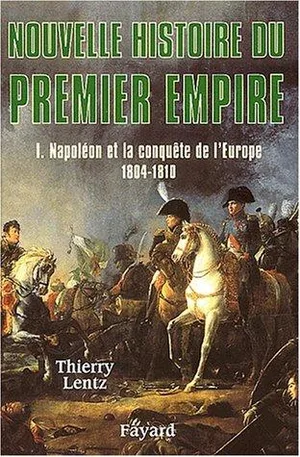
Nouvelle histoire du Premier Empire
Thierry Lentz · 2002-2010
Four reference volumes on institutions, diplomacy and collapse: the scholarly synthesis of the subject.
See on AmazonAs an Amazon Associate, this site earns from qualifying purchases.
Support the encyclopedia
Napoleon Empire is an independent project. Your contribution helps grow the content and keep the site running.
DonateSecure payment on the platform you choose.