Napoleon refused to live at Versailles, too royal and too costly, but had the Grand Trianon refurnished in 1810. The result is now the most complete set of Empire furniture preserved in France.
Historical context
The great château posed a political as much as a financial problem. To live there was to declare oneself the Bourbons' successor before a France that had made the Revolution; to restore it meant sums even the imperial civil list could not absorb. Napoleon had estimates drawn up, considered an imperial palace, then a museum, and let the project sleep.
He chose the Grand Trianon: smaller, more manageable, without court memory. The refurnishing of 1809-1810, prepared for Marie Louise's arrival, mobilised Jacob-Desmalter, the silks of Lyon and the Paris bronze-makers. Bedrooms, salons, the mirror room, the Cotelle gallery: it was delivered fast and with rare stylistic coherence.
The imperial couple stayed there several times between 1810 and 1813. The Petit Trianon was put at Pauline Borghese's disposal; other buildings on the estate served as administrative annexes. An emptied Versailles served as a reserve: furniture and paintings were drawn from it to fit out the other palaces.
The paradox has lasted. Because it was furnished all at once and little altered afterwards, the Grand Trianon preserves today, better than Fontainebleau or Compiègne, the exact look of an imperial residence of 1810. The Empire did not want Versailles, but Versailles is where it left its most intact interior.
Go further
Recommended books to dig deeper (affiliate links)
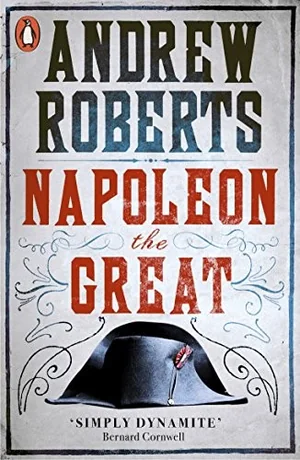
Napoleon the Great
Andrew Roberts · 2014
A monumental biography drawing on Napoleon’s 33,000 surviving letters, admiring but rigorous.
See on Amazon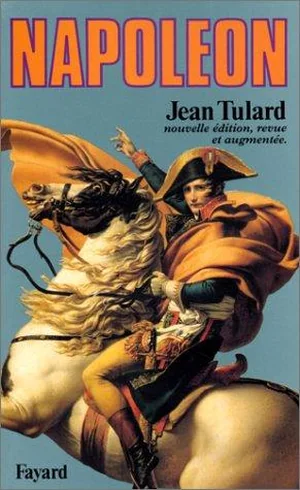
Napoléon ou le mythe du sauveur
Jean Tulard · 1977
The book that reshaped how the man is read: how France gave itself a saviour, and what it cost.
See on Amazon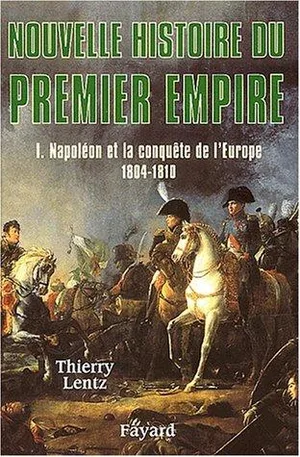
Nouvelle histoire du Premier Empire
Thierry Lentz · 2002-2010
Four reference volumes on institutions, diplomacy and collapse: the scholarly synthesis of the subject.
See on AmazonAs an Amazon Associate, this site earns from qualifying purchases.
Support the encyclopedia
Napoleon Empire is an independent project. Your contribution helps grow the content and keep the site running.
DonateSecure payment on the platform you choose.