Opened in May 1804, the Eastern cemetery applied the decree forbidding burial inside towns. Shunned at first, it became the most visited in the world — and holds a dozen marshals of the Empire.
Historical context
The imperial decree of 12 June 1804 on burials is one of the regime's most revealing texts: it forbade interment in churches and inside towns, required cemeteries beyond the walls, created perpetual concessions and gave every dead person the right to an individual grave. It was a reform of public health, policing and civil law in a single measure.
The Eastern cemetery opened a few weeks earlier, on 21 May 1804, on the former estate of Louis XIV's confessor, Father La Chaise. Brongniart, architect of the Bourse, laid out winding paths on a planted hill — a garden more than a necropolis. Success did not follow: the district was outlying and poor, and only a few dozen burials took place in the first year.
The administration then mounted a prestige operation. In 1817 the presumed remains of Molière and La Fontaine were transferred there with ceremony, together with those of Abelard and Heloise under a neo-Gothic tomb. The manoeuvre worked beyond expectation: concessions sold, the cemetery became fashionable, then a place of literary and political pilgrimage.
The Empire left much of its high command there: Ney, shot in 1815, Masséna, Lefebvre, Davout, Kellermann, Suchet, Pérignon, Sérurier and hundreds of generals and senior officials. At the far end, the Mur des Fédérés recalls the executions of May 1871. A decree of 1804 on public health produced, without meaning to, the greatest place of memory in Paris.
Go further
Recommended books to dig deeper (affiliate links)
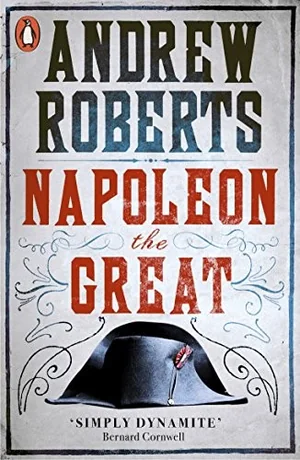
Napoleon the Great
Andrew Roberts · 2014
A monumental biography drawing on Napoleon’s 33,000 surviving letters, admiring but rigorous.
See on Amazon
Napoléon ou le mythe du sauveur
Jean Tulard · 1977
The book that reshaped how the man is read: how France gave itself a saviour, and what it cost.
See on Amazon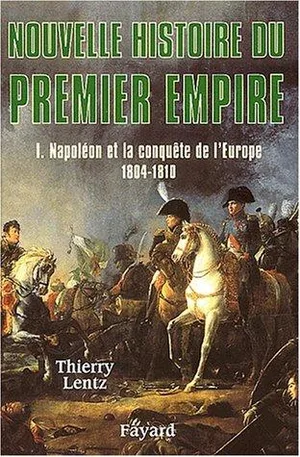
Nouvelle histoire du Premier Empire
Thierry Lentz · 2002-2010
Four reference volumes on institutions, diplomacy and collapse: the scholarly synthesis of the subject.
See on AmazonAs an Amazon Associate, this site earns from qualifying purchases.
Support the encyclopedia
Napoleon Empire is an independent project. Your contribution helps grow the content and keep the site running.
DonateSecure payment on the platform you choose.